Ethiopia Takes Delivery of 12 Russian Su-35 Jets as Tigray Fighting Flares
USD 21,86
Popular
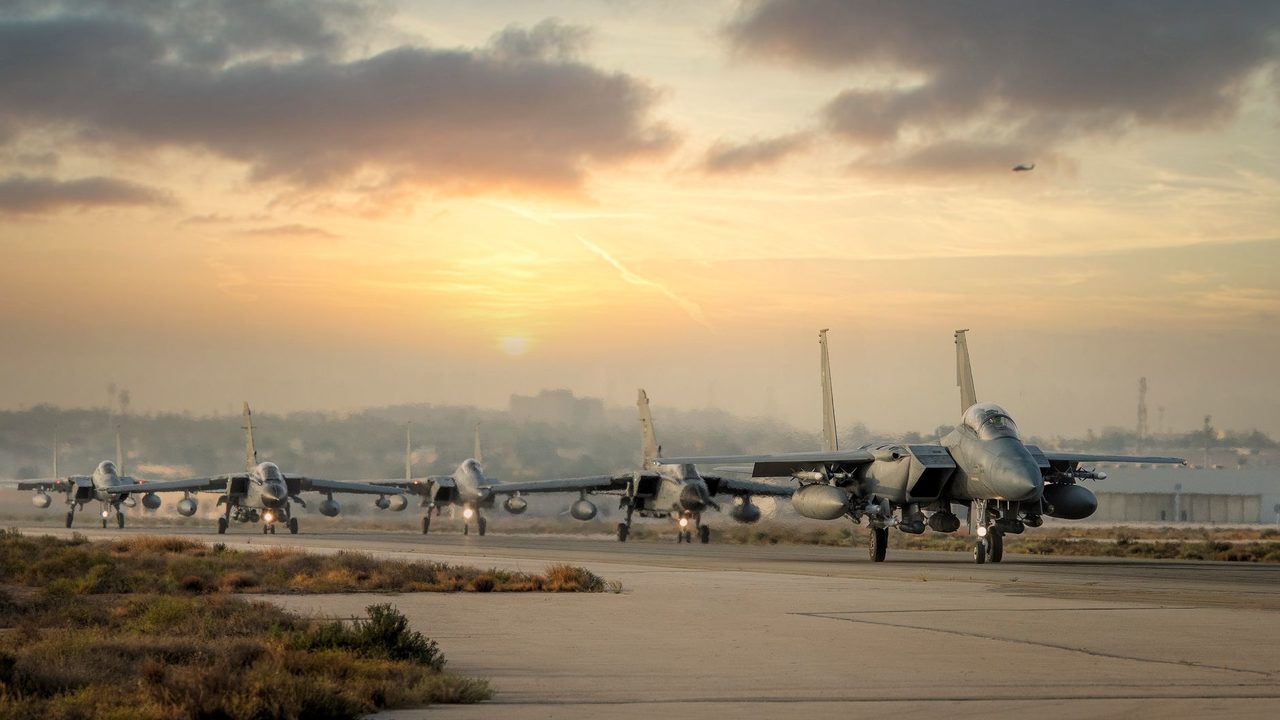
Ethiopia has taken delivery of 12 Su-35 fighter jets from Russia and intends to acquire four S-400 air defense systems, Prime Minister Abiy Ahmed announced at the Russia-Africa summit in Moscow. The arms deal comes as fighting has intensified in the northern Tigray region and as tensions with neighboring Eritrea persist.
Abiy called the delivery a “milestone” for Ethiopia’s defense capacity, according to the BBC. He said the jets arrived ahead of schedule and that Ethiopia is now the first country in sub-Saharan Africa to own this kind of advanced combat technology.
What Ethiopia is getting
Abiy said the two countries agreed on the purchase several years ago. Al Jazeera reported that he did not say when the four S-400 batteries would arrive, and that he thanked Russian President Vladimir Putin for delivering the aircraft a year early.
Abiy said the Su-35 can fight both other aircraft and ground targets and can detect and neutralize incoming cruise missiles at distances of up to 200km (124 miles), the BBC reported. He added that drones are just as important for deterrence. Ethiopia has used drones from Turkey and China extensively in recent conflicts, the BBC said.
Benedict Manzin, an analyst at the risk consultancy Sibylline, told Al Jazeera that the S-400 systems would work best against conventional air threats, such as Eritrea’s limited air force and drones. He also cautioned that, as seen in Ukraine, such systems can be overwhelmed by small, cheap drones.
Why Russia and Ethiopia are growing closer
The relationship is not new. Manzin said Russia has been active in Ethiopia for decades, a legacy of the Cold War, when the Soviet Union backed the country’s former communist government. The Ethiopian News Agency reported that the two countries have signed several military agreements aimed at improving Ethiopia’s armed forces through technology, knowledge and training, including a 2021 deal.
Money plays a part as well. Manzin described arms as one of Russia’s main exports to Africa. The Stockholm International Peace Research Institute says Russia supplied 15 percent of Africa’s major weapons imports in 2021–2025, behind the United States at 19 percent and China at 17 percent.
Putin said trade between the two countries topped $1.3 billion from January to September, more than twice the figure for all of 2025. Abiy said their talks also covered nuclear energy, health and trade.
Al Jazeera’s experts said Ethiopia does not appear to be turning away from the West. Manzin said Addis Ababa is widening its options, noting that China has a large presence in the country and Western investment continues.
The conflict behind the deal
Fighting between Ethiopia’s federal army and Tigrayan forces intensified in late September, effectively unraveling the November 2022 Pretoria peace agreement that ended a two-year war. Each side blames the other for the renewed violence. The BBC reported that the government and the Tigray People’s Liberation Front, which controls Tigray, both accuse each other of violating the 2022 deal.
According to Al Jazeera, government and allied forces entered Mekelle, the Tigray capital, earlier in October after TPLF fighters withdrew. Addis Ababa then installed a six-month caretaker administration, though rebel commanders have vowed to keep fighting.
Ethiopia accuses Eritrea of backing the TPLF, which Eritrea denies. Relations are further strained because Abiy calls Ethiopia’s lack of direct sea access an “existential question,” a stance Eritrea sees as a direct threat to its sovereignty, the BBC reported. Eritrea became independent in 1993 after a decades-long war, and Ethiopia lost its coastline.
What this means for the region
Abiy said the equipment would help Ethiopia deter threats from outside the country, and in his statement he spoke of the ability to deter aggression before it happens.
Analysts quoted by the two outlets differ on how the hardware could be used. Qalaab Segatu, a military intelligence analyst who spoke to BBC Amharic, said the purchase signals preparation for possible wars with other countries, not only internal conflicts. He said the jets and air defenses together could protect major cities and critical sites such as the Renaissance Dam.
Manzin urged caution about linking the delivery directly to the latest fighting, since the purchases were negotiated earlier. He noted, however, that Ethiopia’s air force is used heavily during any suppression of unrest, so more aircraft are useful in any case.
For now, the deal puts new Russian-made firepower into a region already marked by renewed fighting in Tigray, an insurgency in Amhara and fears of a wider confrontation with Eritrea.
Around Prague, based on reporting by BBC News, Al Jazeera