How Frumoš grew from fruit delivery to office-kitchen management
USD 21,66
Popular
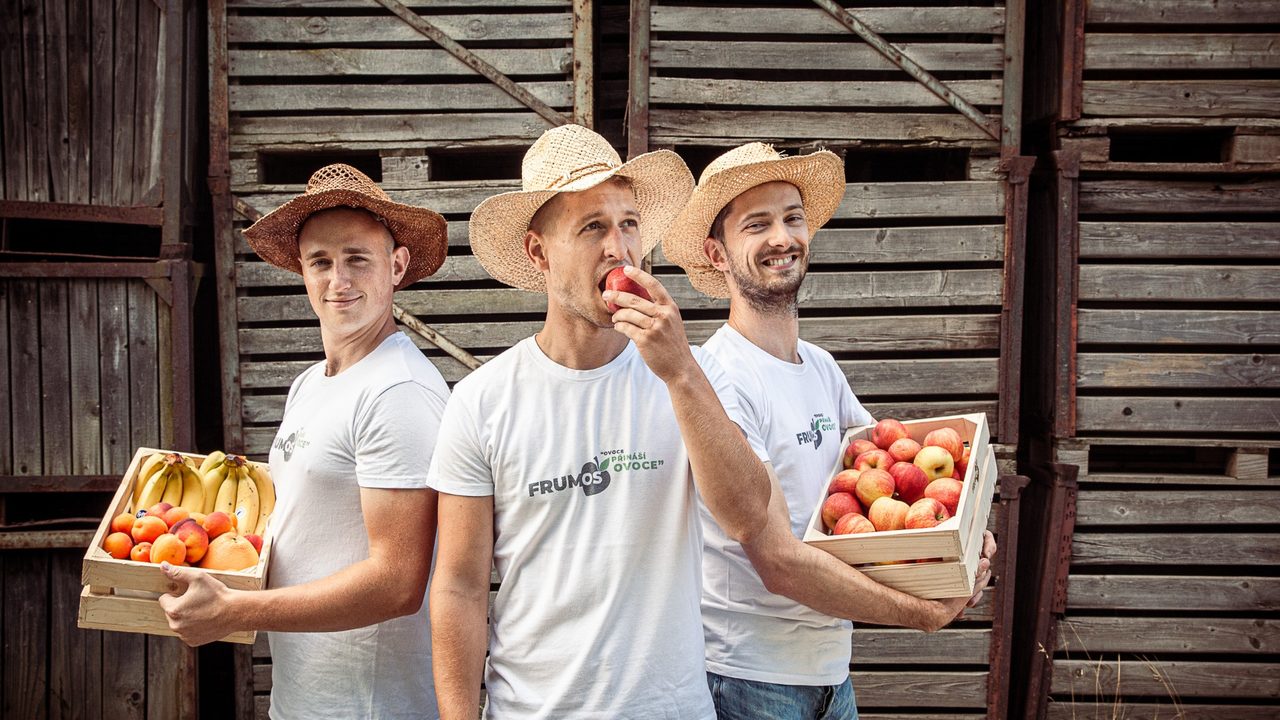
Former civil engineer Radek Lamoš started out six years ago delivering fruit baskets to offices in a borrowed van. Today his company Frumoš serves more than 400 clients in Brno and Prague and is preparing to turn its first profit in 2026.
Lamoš graduated from the civil engineering faculty of the Brno University of Technology and worked as an engineer, but decided to make a radical career change and went into delivering fresh fruit to companies. The start was difficult, but today Frumoš's clients range from small startups to major corporations: Seznam, Notino, Sazka, Kiwi.com. “Prague has already overtaken Brno, even though Brno had a three-year head start,” the entrepreneur says. The company now serves around two hundred locations in the capital.
The product range has long since grown beyond fruit: Frumoš's online shop now offers more than 8,000 items — from coffee and baked goods to stationery and household chemicals — with next-day delivery. The company is growing without outside investors: Lamoš took out a bank loan to open the Prague branch. “That makes growth slower, but steady, and we don't make many mistakes because everything stays under control,” he explains his strategy.
Frumoš is now testing a new service called RefrešOS, meant to take over full management of clients' office kitchens. The idea grew out of practical experience: the company's couriers were spending up to an hour restocking fridges in offices, so Lamoš decided to take the process to its logical conclusion — assigning each kitchen a dedicated agent who takes inventory, restocks supplies and files reports through the company's own app, with photos replacing paper delivery notes. The service is being offered free of charge until the end of the year while the processes are fine-tuned.
Lamoš found his inspiration in the New York company Crafty, which has run a similar business on the American market since 2015 — he even travelled to the US to study its process. The entrepreneur sees no direct competitors on the Czech market: the closest are large facility-management firms like CBRE or Sodexo Facility, but for them the kitchen is just one of many line items in building management rather than a standalone product.
“As strange as it may sound, a well-stocked kitchen can improve relationships within a team and strengthen company culture. But of course it's no cure-all — if a company has no culture to begin with, a kitchen alone won't build one,” Lamoš reflects. The plans ahead include expanding into catering and coffee-machine servicing.