From trash to porcelain: Czech designer's broken-dish business
USD 21,74
Popular
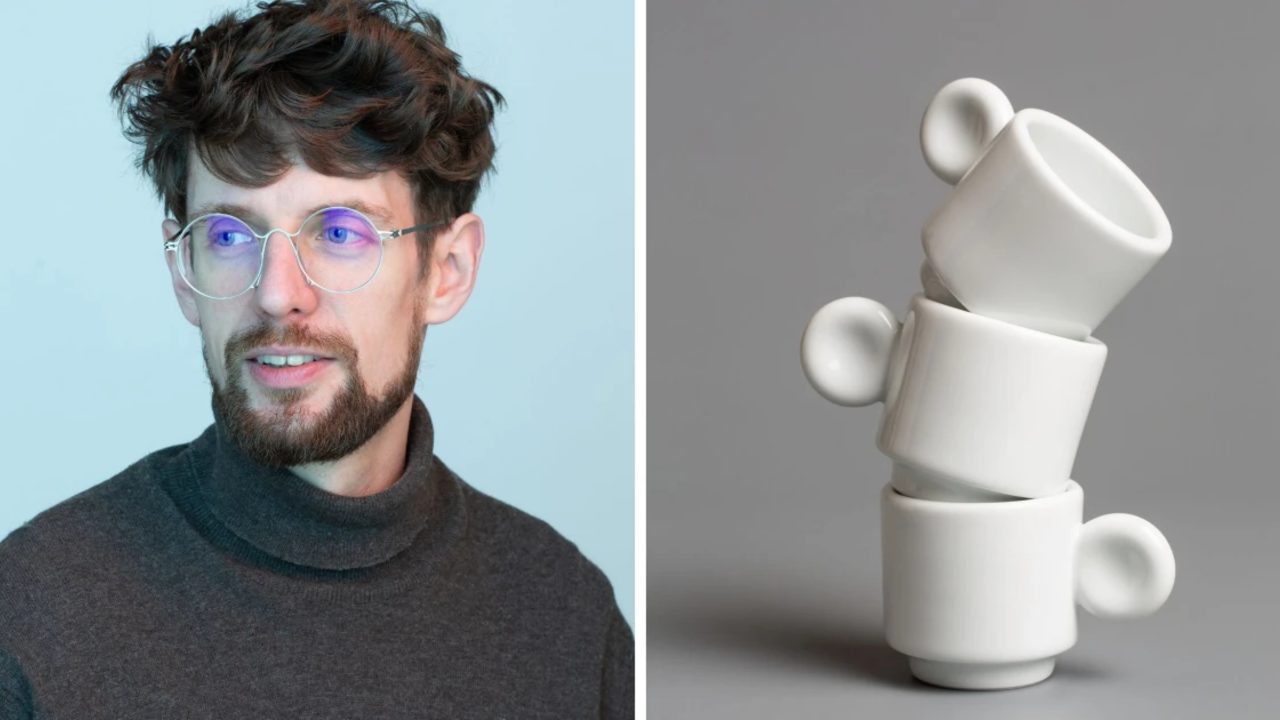
Czech designer Adam Elmer Železný has launched the first-ever spin-off from Prague's Academy of Arts, Architecture and Design (UMPRUM) — a project that turns discarded porcelain into raw material for new tableware. The idea is simple but ambitious: instead of letting broken plates and defective pieces from porcelain factories end up in landfills, they get a second life.
Železný personally cycles around Prague collecting broken porcelain from restaurants and cafés — he says a single Prague restaurant alone can throw out up to 150 kilograms of porcelain tableware a month. Altogether, the designer has already gathered around a tonne of waste, which becomes the basis for new pieces.
The recycling technology doesn't just grind up the shards for reuse — it also creates a material that, according to the project's creator, may turn out to be even stronger than ordinary porcelain. That opens up prospects not only for eco-friendly tableware production, but also for building a new sustainable brand based on the principles of the circular economy.
Železný's project is an example of how graduates of Czech art schools go beyond pure design to build working business models: rather than simply sketching concepts for dishware, he has built an entire chain — from collecting raw material to releasing the finished product — one that can interest restaurateurs and investors looking for sustainable startups alike.