Investor Luděk Palata: parking by the entrance is a bad sign
USD 21,59
Popular
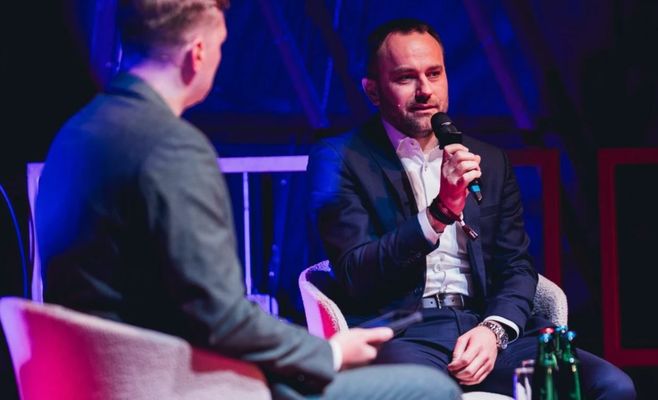
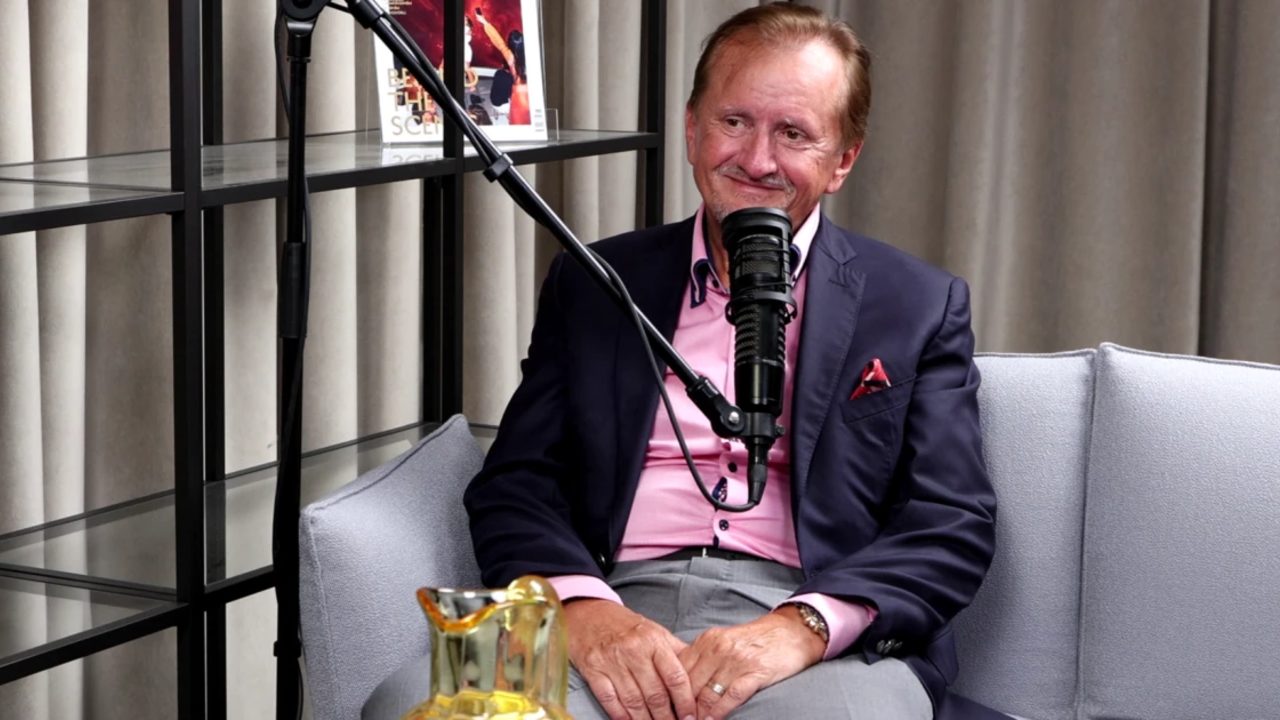
Luděk Palata, founder of the investment firm Versute Investments and one of the most experienced names in Czech private equity, told The Forbes Show podcast how he can tell within a couple of minutes whether a company is healthy inside, and recalled the most critical moments of his career.
Palata has been investing in private equity since the 1990s — a rare feat on the Czech market. Today he is best known for Versute Investments, the firm he founded more than a decade ago. Over the past decade, the fund he manages has held stakes in eight companies. He successfully took the metalworking firm Gevorkian public on the Prague stock exchange, and in January last year sold DCK Holoubkov, a maker of switchgear for large power grids, to billionaire Michal Korecký.
Versute Investments isn't the kind of fund that hunts for troubled companies to buy on the cheap — even so, the management of acquired firms often has to hear some uncomfortable truths. “In business, as in life, honesty has always served me well. Don't make things up, don't play games,” says the Czech private equity veteran.
Palata compares a fund taking a stake in a company to a marriage of convenience: both sides know they'll have to learn to work together. “And it often happens that, years after exiting a company, I'm still on friendly terms with people whose business we invested in twenty years ago,” he adds.
Over his decades in the industry, Palata has developed a set of simple but effective signs of a company's true state. For example, it's worth noticing whether the owner has claimed the best parking spot right by the entrance — that's a warning sign. The same goes for a portrait of the owner in the lobby. It also helps to walk through the warehouse and see how much dust has piled up on the shelves.
“Watch how people in the company treat each other, how they greet one another, how they react to each other. All these small details immediately give you a sense of whether the situation in the firm is healthy or whether problems are already baked in,” the investor advises.
In his view, private equity as an asset class is seriously underinvested both in Czechia and in Central Europe as a whole. Total investment in private companies in the country amounts to roughly one-tenth of a percent of GDP, whereas in Austria or Germany the figure is five times higher, and in Britain and the Anglo-Saxon world ten to fifteen times higher.
“There's room for the market to grow here. Investors' free liquidity is growing faster than the range of opportunities to deploy it. That's why I believe private equity as an asset class has a good future and the potential to attract even more money,” Palata says confidently.
Although private equity is considered a fairly conservative segment, sometimes investments still fail to pay off and some money is lost. Palata himself ran into this in 2019 with the Czech clothing retailer Zoot.
His recipe for such situations is simple: “Admit the mistake. Don't hide anything, explain what went wrong. Sometimes an investor is so disappointed that they'll never go into another project with you again. And sometimes — if they see that you're doing well elsewhere — they'll understand and come back,” the veteran Czech investor explains.
Seven years ago he gave investors a frank account of what had gone wrong and promised not to repeat the mistake. He was lucky: investors trusted his track record and stayed with Versute Investments. “If they'd left,” Palata adds, “Versute simply wouldn't exist today.”