Simczech: Czech AI “digital twin” predicts election results
USD 21,75
Popular
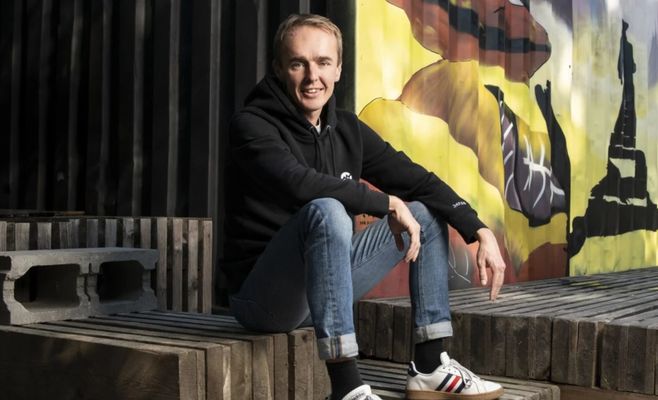
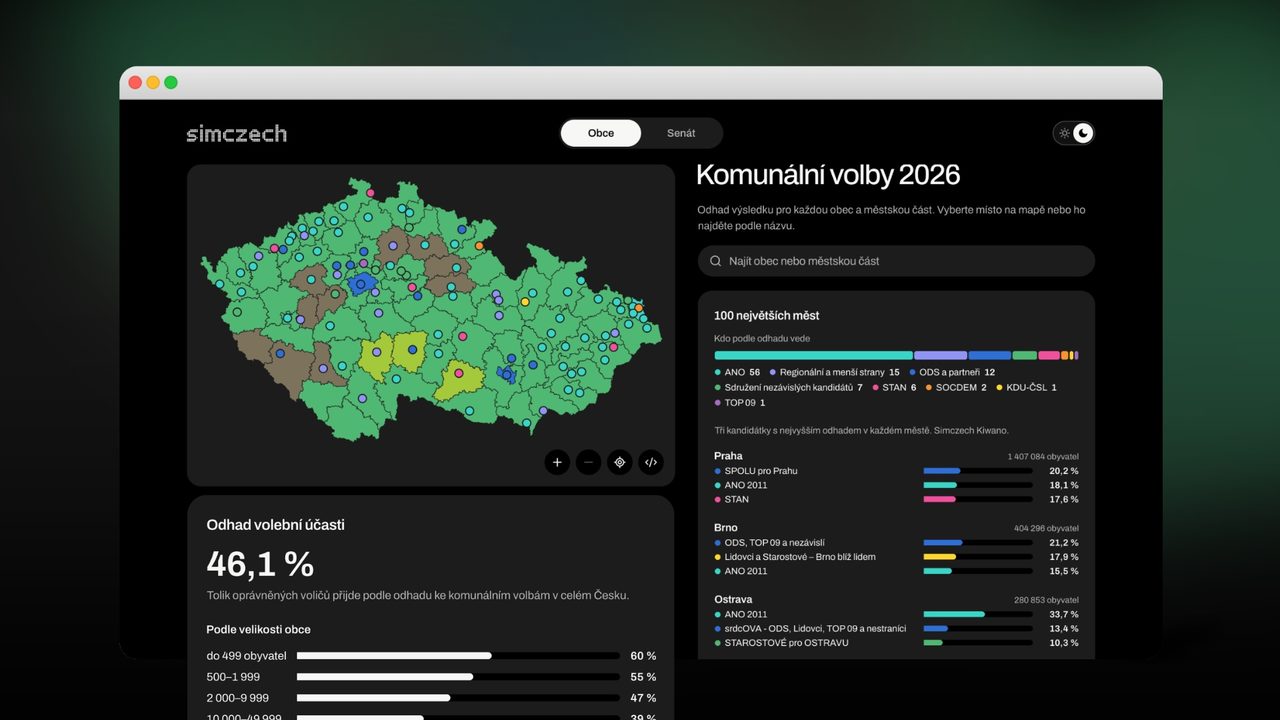
Three people, two Mac Studio computers and 250,000 “synthetic” Czechs: entrepreneur Jakub Sejkora has launched Simczech, a project in which artificial intelligence tries to predict in advance the results of municipal elections in all 6,000+ communities in the country and of Senate elections in 27 districts.
The idea was born in San Francisco over the summer. Sejkora, co-founder of the Czech family company Flydeo, which makes industrial drones, went there looking for inspiration. “I went without a specific goal. I simply immersed myself completely in working with AI and wanted to draw ideas from the companies and people there,” he recalls. The trip ended in a collaboration with an American IT expert, who became the basis of the current model.
Czechs have long been used to AI announcing election results before the TV studios do. In the 2023 presidential election, a model from the Prague firm Blindspot AI, part of the Adastra group, called the result with 10% of votes counted, with an error of less than a tenth of a percentage point. Seznam Zprávy also has its own forecast. But, according to Sejkora, these tools start after the polling stations close. “We take a different approach: we don't count the ballots cast, but try to understand how and why people make their decision before they ever get to the ballot box.”
How it works. About 80% of the data is open data from the Czech Statistical Office: age, sex, employment. The team gathered the rest online: the number of electric-car owners by district, how small towns receive subsidies. For analysing sentiment on social media, they used a tool from another Czech success story, Apify. “Our AI scans social networks and discussions. For example, it sees that before the last election the ‘Letenská parta’ group had far more supporters of one party, and now the same number of people defend another,” the founder explains. Shifts in opinion serve the models as an important guide. The picture is completed by data on candidates and local programmes, in particular from the programydovoleb.cz website.
The result is about 50,000 representative profiles. Agent-based models group the “virtual voters”, take into account who is running locally, and simulate their choices. Nobody was called and nobody was surveyed: all answers and probabilities are generated exclusively by AI.
The idea is not new, but comes with caveats. Researchers around the world have been experimenting with “synthetic respondents” (silicon sampling) for several years. However, studies have repeatedly noted that AI voters tend toward stereotypes, and their views are less diverse than those of real people.
Behind Simczech is not a corporation with a billion-crown budget, but three people working on the project in their spare time and without outside investors. “I'm the one who does the talking,” Sejkora ironically describes his role. For the team, the elections are above all a large-scale stress test of a new technology.