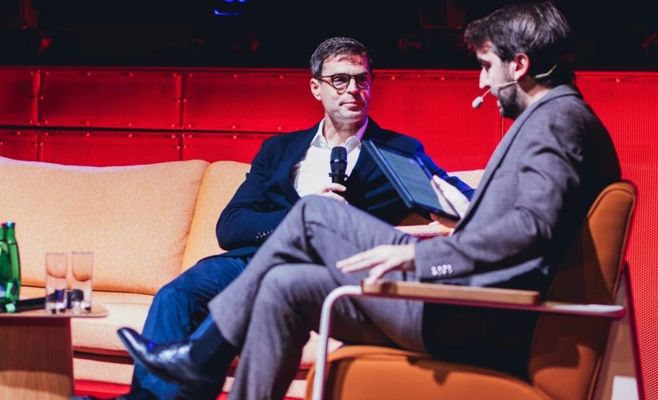
JTZE head Jan Šimek: many Czech farmers face collapse this autumn
USD 21,69
Popular
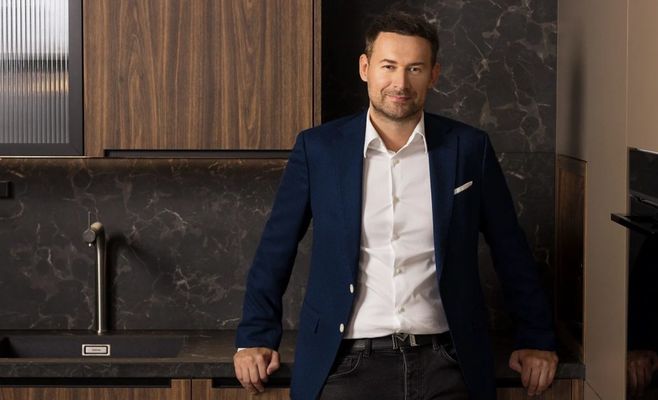
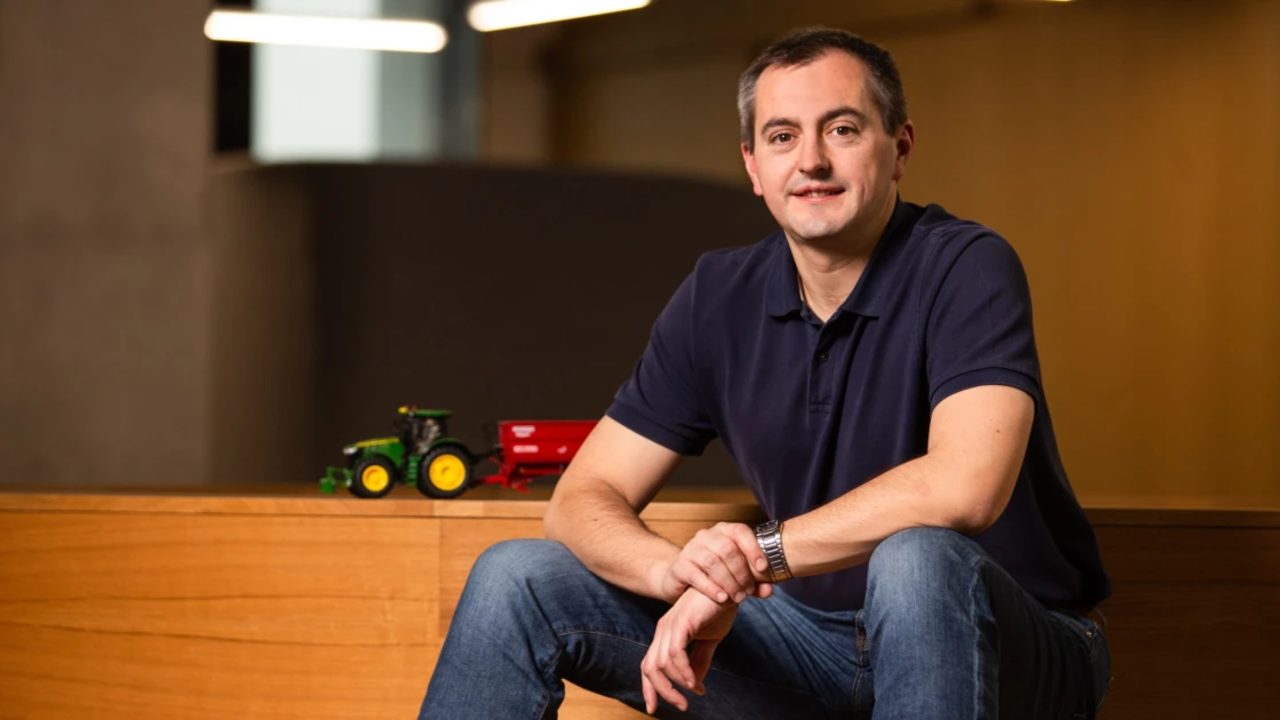
Jan Šimek, head of the agricultural holding JTZE, has a warning: more farms are up for sale than ever before, and this autumn will push many more Czech farmers to the brink. The reason isn't just the drought — it's the chronically weak economics of farming itself.
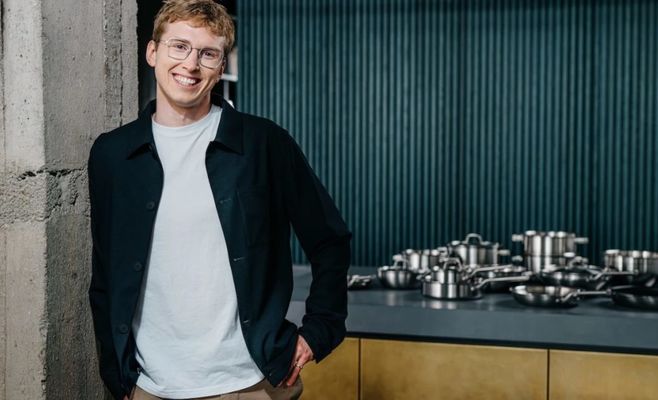
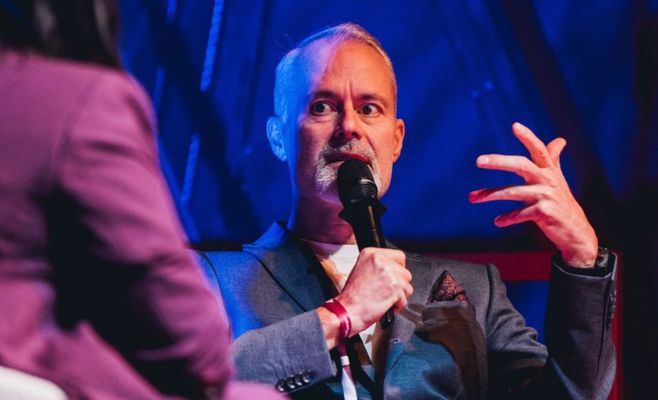
Šimek chairs the board of JTZE, the second-largest player on the Czech farming market, which cultivates around one percent of the country's arable land. An economist by training, he worked at the Singapore-based startup Foodpanda and as a McKinsey consultant before joining the J&T group a decade ago. Farming isn't unfamiliar territory for him either — his father runs his own farm in South Bohemia.
JTZE brings together about twenty companies across Czechia, Moravia and Slovakia. The brand was launched in 2020 under businessman Dušan Palcer. In Czechia it started with a handful of farms around Klatovy and Kolín, and its biggest deal was the acquisition of the Spearhead group, bought from the Austrian investment fund Accession Capital Partners. That purchase made JTZE the second-largest player after Andrej Babiš's Agrofert: JTZE farms about 1% of the country's arable land, versus roughly 3% for Agrofert.
JTZE's main crops remain wheat, rapeseed, maize and barley, and the company also runs dairy and meat livestock operations. Last year the group's revenue came to around 2.5 billion crowns, and it employs 450 people.
According to Šimek, farming is “an underrated but extremely capital-intensive business.” Farms are squeezed by expensive fuel, energy, fertiliser and labour, low purchase prices and pressure from retail chains, all while having to keep investing in land, technology and people. Czech farmland prices have risen by an average of 9.5% a year over the past 15 years, yet the return for landowners remains at only around 2%.
Šimek doesn't expect JTZE to expand significantly in the coming months: in his view, many struggling farms can no longer be saved. He calls the drought just one of the problems — far more serious, he says, is that the European Union holds its own farmers to tougher standards than it does importers from third countries, citing soybeans from Brazil and rapeseed from Australia as examples. “Let's start by growing what we actually want to consume here ourselves, and controlling how it's produced,” says the JTZE chief, adding that a farmer shouldn't be a byword for someone to be pitied — farmers should have modern equipment and fair market conditions.