Czech PBS Group supplies motors for US anti-drone missiles
USD 21,65
Popular
The Czech company PBS Group, led by CEO Milan Macholán, is starting to supply jet engines for the American White Spike drone-interceptor missiles, while at the same time launching licensed production of its engines directly in Ukraine. It is a relatively cheap but extremely sought-after segment — counter-drone defence, demand for which has soared along with the growing number of drones on the battlefield.
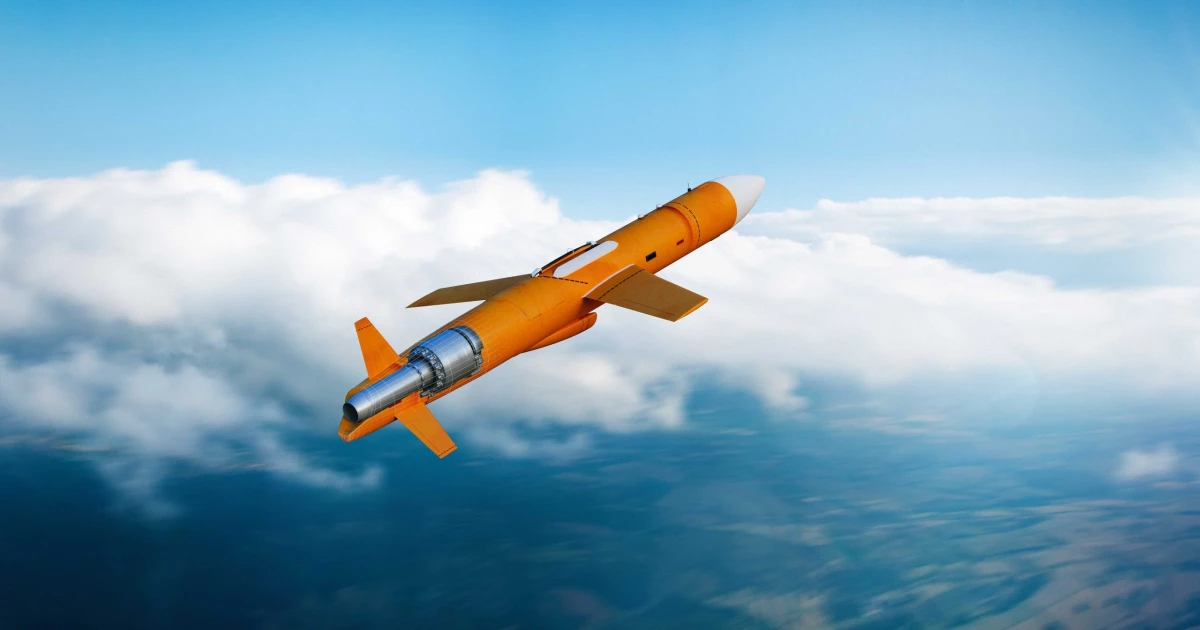
PBS engines will go into the White Spike interceptors made by the American company Zone 5 Technologies, which was bought this spring by the Norwegian group Kongsberg. An interceptor is essentially a cheap missile whose job is not to hit the target directly but to get close to the drone and detonate beside it. For these missiles, PBS will supply its most compact engines, the TJ40 and TJ80 — the latter already used in the earlier generation of Rusty Dagger interceptors in service with the US Army.
“The end user will once again be the US Army. Our cooperation today is at a very good level, including with the American Department of War,” says Milan Macholán.
In the fight against drones, price plays a decisive role: shooting down relatively cheap drones with far more expensive missiles makes no economic sense in the long run. That is why size, weight and cost come to the fore. PBS engines stand out precisely for their low cost, fast deployment and suitability for mass production. Missiles fitted with these engines will be able to hit drones such as the Shahed at ranges of up to 50 kilometres.
From its plants in Velké Březovice (Czechia) and near Atlanta (US), PBS plans to supply thousands of engines — and, according to Macholán, the company expects to reach a level of ten thousand units. Investments, including a recent outlay on a new production line in Velké Březovice, run into billions of crowns. The order book already exceeds a year's worth of production, and the planning horizon, Macholán notes, stretches to 2030.
Besides aircraft engines, PBS is among the world leaders in auxiliary power units, which start the main engines of aircraft and helicopters. Last year the company's revenue reached 2.7 billion crowns, and this year, thanks to its American production, it expects to grow by roughly another billion.
Cooperation with Ukraine has become a separate storyline. In mid-July, at the Farnborough air show, PBS signed an agreement with the Ukrainian company Airlogix, a maker of interceptor drones. The deal will allow Ukrainians to produce licensed PBS jet engines at home, while as a reciprocal step the companies are considering moving production of Ukrainian interceptor drones to Czechia — subject to approval from the Ukrainian government.
“Licensed production of our jet engines directly in the country that is now setting the pace in the development of unmanned systems is a strategic move for us. We're bringing production closer to the customer and to real-world use. At the same time, we aim to bring the production of proven strike drones to Czechia,” noted PBS Group CEO Petr Kadner.
The company is also looking beyond simple “drone hunters”: a new, more powerful TJ200 engine could eventually be used in missiles with a range of up to a thousand kilometres.