People By

Pavel Šatný: how a manager bought his Czech factory from US owners
Pavel Šatný: how a manager bought out a Czech factory from its American owners and is now taking it public

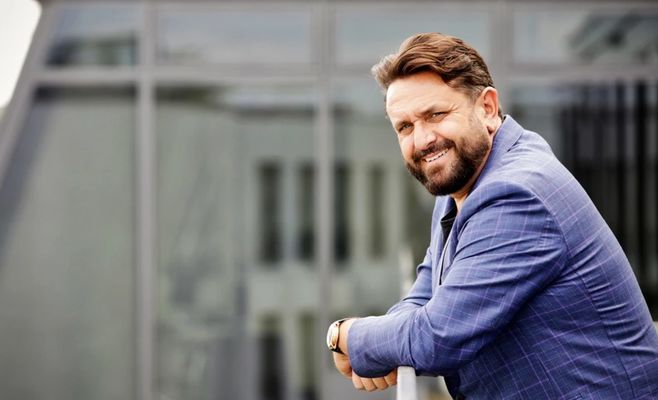
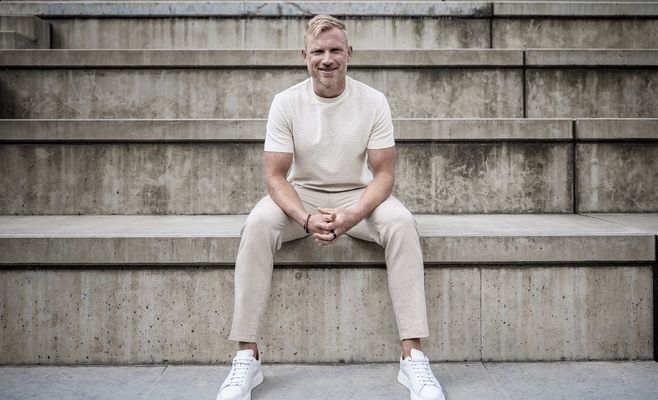
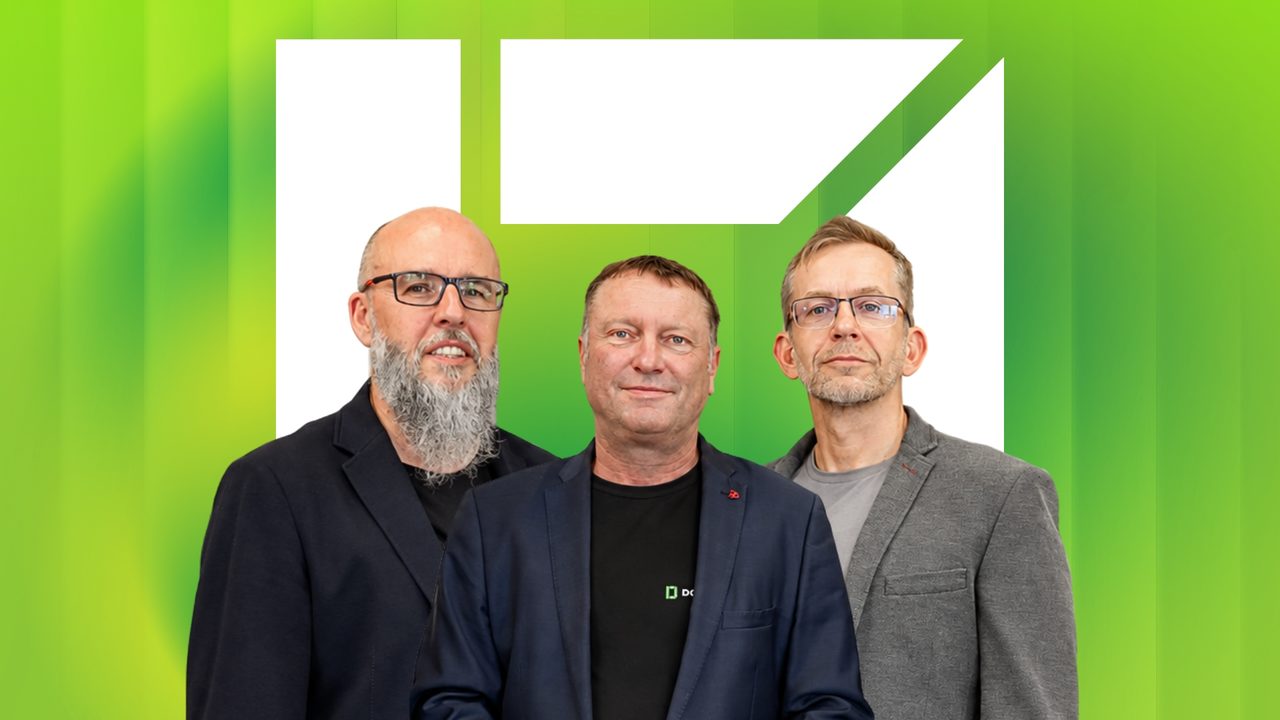
Five years ago, Pavel Šatný and two colleagues bought out the factory he had previously simply managed as an employee for its American owners. Now their company Doornite — the largest Czech door manufacturer — is going public on Prague's Start exchange, aiming to raise around 80 million crowns from investors for a 20% stake, valuing the whole business at 400 million crowns.

Šatný's story began in 2015, when the graduate of the Faculty of Civil Engineering at the Czech Technical University (ČVUT) joined the Czech division of the American group Masonite as country director for Czechia. The company was loss-making at the time — which is exactly why the Americans were changing its leadership. Šatný delivered: in 2018, the business turned a profit for the first time in six years. A year later it bought the Topdoors plant in Věsky and expanded its range with door frames, which often sell for more than the doors themselves.

The trouble was that Masonite itself was struggling in Europe: the group was winding down operations in Israel, Turkey, Romania, Hungary and Poland, and eventually sold its loss-making French unit for a symbolic one euro. The small Czech plant held little interest for the Americans, but as a public company they didn't want to damage their reputation — so they offered to sell the business to its own management.

In 2020, a vice-president of the American corporation called Šatný with two pieces of news: the company had been decided to be sold off in Czechia, and specifically to him. He had one day to think it over, after which he brought the finance and commercial directors — Lubomír Bžoušek and David Krubner — into the deal. The deal itself took 11 months to close.

Šatný found the money for the buyout not through wealth-management funds for rich families but thanks to an old dormitory friend, Lumír Fülsack, with whom he still plays golf and sails. Through his firm Ecoplanet, Fülsack invested around 30 million crowns for a 40% stake and helped secure bank guarantees. If the IPO forecasts hold up, Fülsack's investment will roughly triple over five years. Šatný himself controls 36% and a majority of the votes, while each of his two partners holds 12%.

In June 2021 the company returned to Czech control, changing its name from Masonite to Doornite — under the terms of the deal, it had a year to drop the American IT system and rebrand. Today Doornite operates at two sites — in Jihlava and in Věsky near Uherské Hradiště — employing more than 200 people. Last year the company's revenue reached almost 600 million crowns with EBITDA of around 50 million, and this year management expects revenue of 650 million crowns and margins of around 9%.

Proceeds from the listing are earmarked for launching new production lines and buying up smaller competitors — the company intends to grow not just organically but also through market consolidation.
Share: Telegram WhatsApp

Related news

Eliška Lhotská, founder of the Czech jewellery brand Lhotská Jewellery, turned a piece of jewellery moulded from bread into a business with annual revenue of more than 7 million crowns. Fifteen years on, and after going through burnout, she
Slovak entrepreneur Magdaléna Kajan turned her personal experience of battling depression and failing to find a therapist into a business that now organises tens of thousands of psychological-support sessions a year in Slovakia and Czechia.
Jindřich Fremut, the former CEO of mobile operator O2 Czech Republic, has become a new member of the board of PPF Group — he will be responsible for developing and rolling out artificial intelligence across all companies in the holding.Frem
The Czech hotel group Czech Inn Hotels, founded by entrepreneur Jaroslav Svoboda, has acquired a Hilton hotel next to the famous Schönbrunn Palace in Vienna for more than a billion crowns. The deal marks another step in the company's expans
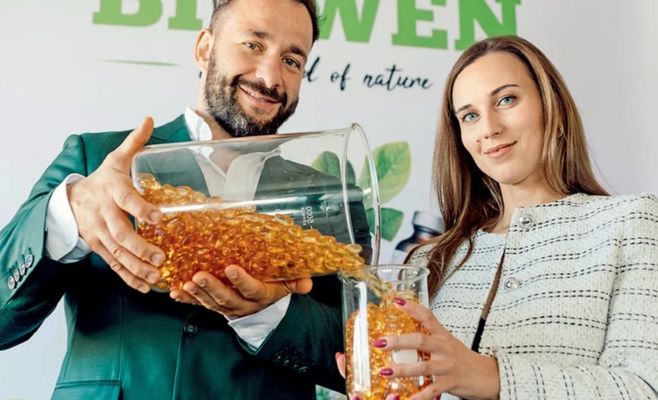
Polish entrepreneurs Izabela Wojciuk and Damian Olędzki started out importing CBD oil for a dog suffering from epilepsy — today they run one of Europe's fastest-growing supplement brands. This year, revenue at their company Biowen is set to
Tomáš Čech, founder and owner of the Czech men's grooming brand Angry Beards, decided to try out a new corporate benefit on himself — a paid month-long “sabbatical” now available to every employee after five years with the company. While Če
Jiří Pecina, founder and CEO of the Czech tech company Meddi, has rolled out his digital telemedicine platform across the entire Slovak market — clients of all three of the country's insurance companies can now use it. The family business,
Florian Seibel is a former army pilot and scientist who now co-founded and leads the German defense startup Quantum Systems, which this summer raised $1.2 billion from investors (about 25 billion crowns), pushing the company's valuation to
Raiffeisenbank's private banking arm is opening up world-class deals to its wealthiest Czech clients. Through its new qualified-investor fund, the Global Private Equity Fund, local millionaires will be able to invest alongside global player
David Mašát and Jana Mašátová left careers at major corporations to bring the children's gym concept The Little Gym to Czechia and Slovakia — today their network operates in several cities and generates tens of millions of crowns in annual
Jiří Votava, founder of the Czech online food-supplements store Brainmarket, was forced to return to the CEO's chair just a few months after stepping down — without him, the company, whose turnover runs into the billions of crowns, stopped
Czech couple Josef and Mariana Zaharov have turned a New Year's Eve pastime with friends into one of the most talked-about online games in Czechia. Their project Přihořívá, in which players guess a word with the help of hints generated by a