How Eliška Lhotská built a Czech jewellery brand out of bread
USD 21,66
Popular
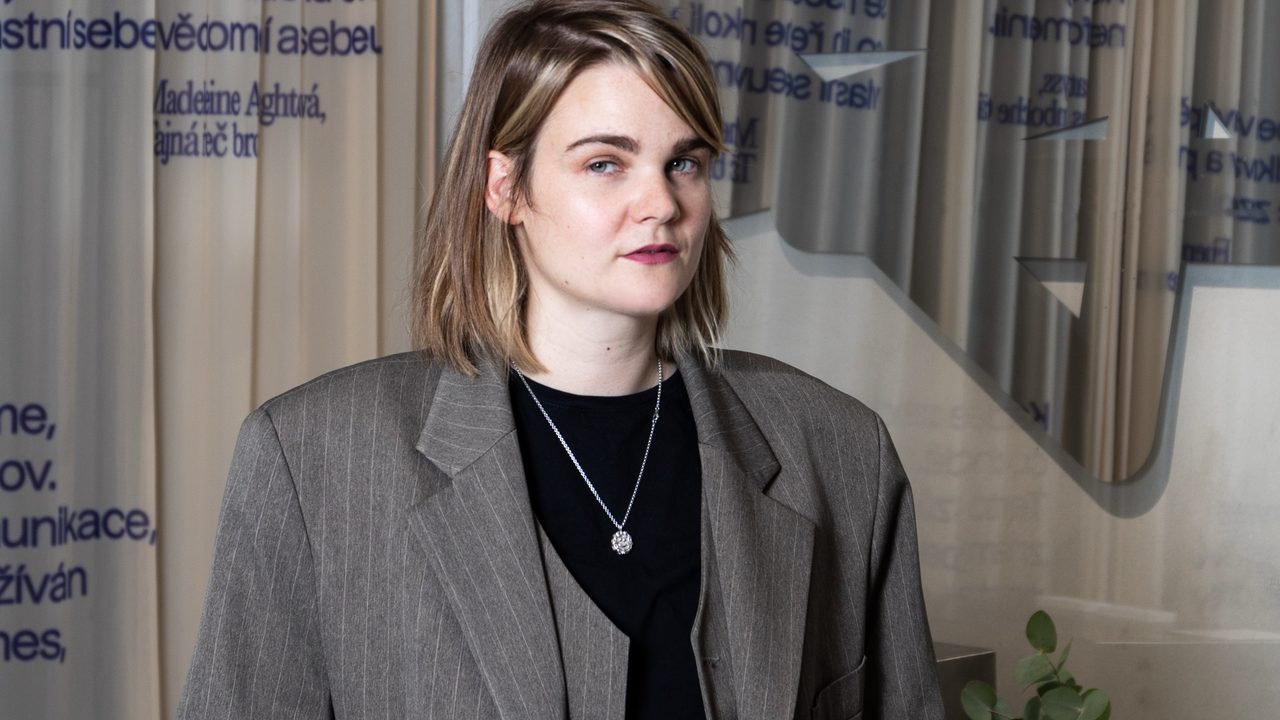
Eliška Lhotská, founder of the Czech jewellery brand Lhotská Jewellery, turned a piece of jewellery moulded from bread into a business with annual revenue of more than 7 million crowns. Fifteen years on, and after going through burnout, she is now restructuring the company and moving part of production to Turnov.
Her best-selling piece was born fifteen years ago — cast from a mould shaped out of bread crumb. “Bread crumb is a symbolic reminder of basic human values — for instance, that it matters to feed someone you love,” Lhotská explains. Today she already has a Czech Grand Design award to her name, but she now faces a very different question: how to build the brand without it leading her to burnout again.
Lhotská was born into a world of craft — both her parents worked with glass, and her father, Zdeněk Lhotský, now a well-known artist, took over a glassworks in Pelechov in the nineties and effectively moved there from Prague. As a child, Eliška would travel with her brother to visit their father in the north of the country and see how much effort it took to start a business of one's own — they even slept right in the building where the glass was made.
Lhotská herself graduated from the glassmaking technical school in Železný Brod, the Ladislav Sutnar Faculty of Design and Art in Pilsen, and the Metal and Jewellery Design programme in Bratislava. She came to jewellery-making by chance — a place opened up after a classmate switched to glass engraving. In time she found herself drawn not to free conceptual art but specifically to jewellery — because, as she puts it, “exhibitions never satisfied me”: only friends and family would show up, whereas a piece of jewellery, by contrast, “is a gallery that a person carries around with them.”
Earning a living mattered just as much to her. After finishing her studies she briefly made jewellery from stainless steel, paid by the piece — which worked out to around 20 crowns an hour. That was when Lhotská decided she would stop selling her time and start selling a product instead: she presented her first collection, cast from bread moulds, which quickly caught on among friends and laid the foundation for what would become her brand.
The real breakthrough in the business came just before the birth of her first son, when she launched an online shop selling silver and gold earrings, chains and rings set with diamonds or rhodonite. Sales jumped at the start of the pandemic, when Czechs began buying more local design.
Today the Lhotská Jewellery team consistently numbers four to six people — mostly jewellers and studio staff — along with outside craftsmen and marketers. Revenue is roughly split evenly between the online shop and direct sales at the studio in Prague's Holešovice district. The brand's annual turnover has held steady above 7 million crowns, and next year Lhotská plans to push it to 10 million while also streamlining costs.
The growth hasn't come easily, though: two years ago Lhotská faced burnout, as a difficult second pregnancy, an enormous workload and a string of setbacks all came together, forcing her to rethink her approach to growing her own business.