Czech brand Angry Beards gives staff a month off after five years
USD 21,52
Popular
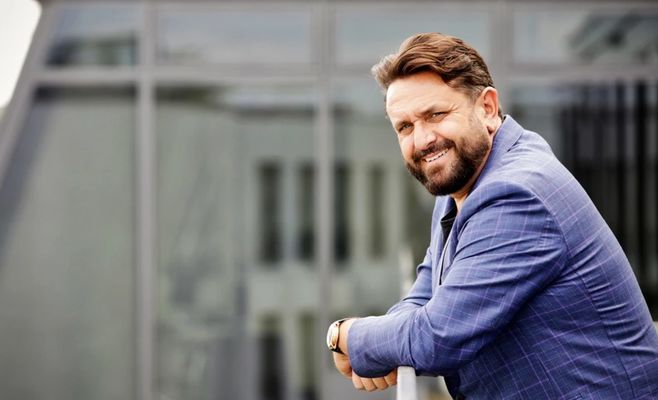
Tomáš Čech, founder and owner of the Czech men's grooming brand Angry Beards, decided to try out a new corporate benefit on himself — a paid month-long “sabbatical” now available to every employee after five years with the company. While Čech himself spent 253 days away from the business, his team designed and rolled out a long-leave program for the entire staff.
Angry Beards is a well-known Czech men's cosmetics brand famous for its provocative marketing, launched by Čech in 2017 and built up to a turnover of hundreds of millions of crowns. While the founder was away from the company, management developed a new corporate benefit: the right to a month of paid leave for anyone who has worked at the company for five years — regardless of position, from top managers to warehouse staff.
On his return, Čech decided not merely to approve the initiative but to back it fully, even though the team had shrunk considerably during his absence — from around a hundred employees to about half that number. According to the entrepreneur, it is precisely this “elite” team of fifty people that is the reason to build long-term relationships with staff and look after their stamina.
The idea came from the company's HR manager, Kristýna Toufarová, who was inspired by the experience of another Czech online retailer, Trenýrkárna.cz. She says five years at one company is a critical period, when people are most likely to face burnout and leave. Thirty days of leave were chosen deliberately: the first week is usually spent sorting out personal matters, and real rest only begins in the second week.
For the company, employees' long leave also serves as a kind of stress test for internal processes — a check on how clearly roles and responsibilities are distributed and how well people can cover for one another. A sabbatical request must be submitted six months in advance to allow time to hand over duties, which is a particularly difficult task for a smaller team.
Unlike at Trenýrkárna, where the equivalent leave was mandatory, at Angry Beards an employee on sabbatical receives 80% of their salary, with the remaining 20% going to compensate the colleague covering for them — a model that, as the HR manager admits, does not work equally well for every position.