How Florian Seibel is building Germany's rival to Anduril
USD 21,52
Popular
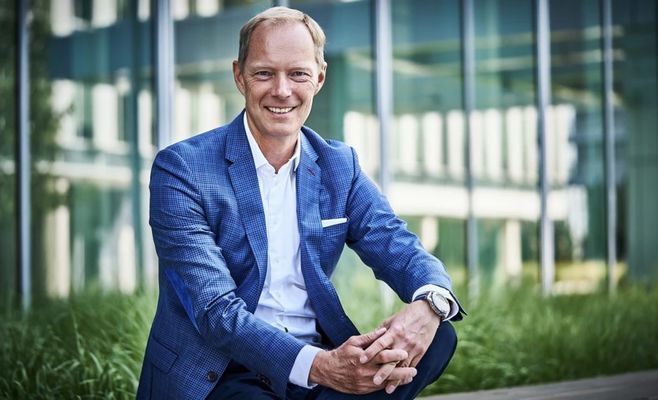
Florian Seibel is a former army pilot and scientist who now co-founded and leads the German defense startup Quantum Systems, which this summer raised $1.2 billion from investors (about 25 billion crowns), pushing the company's valuation to $8 billion — nearly eight times last year's figure.
The story began with a failed joke by Armin Papperger, head of Europe's largest arms group, Rheinmetall. In an interview with The Atlantic, he called Ukraine's drone production “a game of Lego” and described local housewives with 3D printers as the country's main drone manufacturers. Seibel, whose company supplies drones to Ukraine, shot back immediately: “Quantum Systems stands with all the Ukrainian housewives.” A few months later, his firm landed a record round of investment.
Seibel's biography reads more like the career of a founder from the US or Israel than a typical European entrepreneur. He hails from Freiburg, served as a captain in the German army flying light helicopters, and later researched unmanned aerial vehicles at a military university in Munich. He never finished his doctorate — instead, together with a colleague, he patented an aircraft design that takes off vertically like a helicopter and then switches to horizontal flight. In January 2015, a company was founded on the strength of that patent, based at the former special airfield Oberpfaffenhofen near Munich.
For a long time, Quantum Systems emphasized that it built purely reconnaissance, not combat, aircraft — even though, even then, the company was financially backed by well-known American investor and Republican donor Peter Thiel. As Reuters later reported, it was the CIA-linked fund In-Q-Tel that opened the door to contracts with American intelligence agencies.
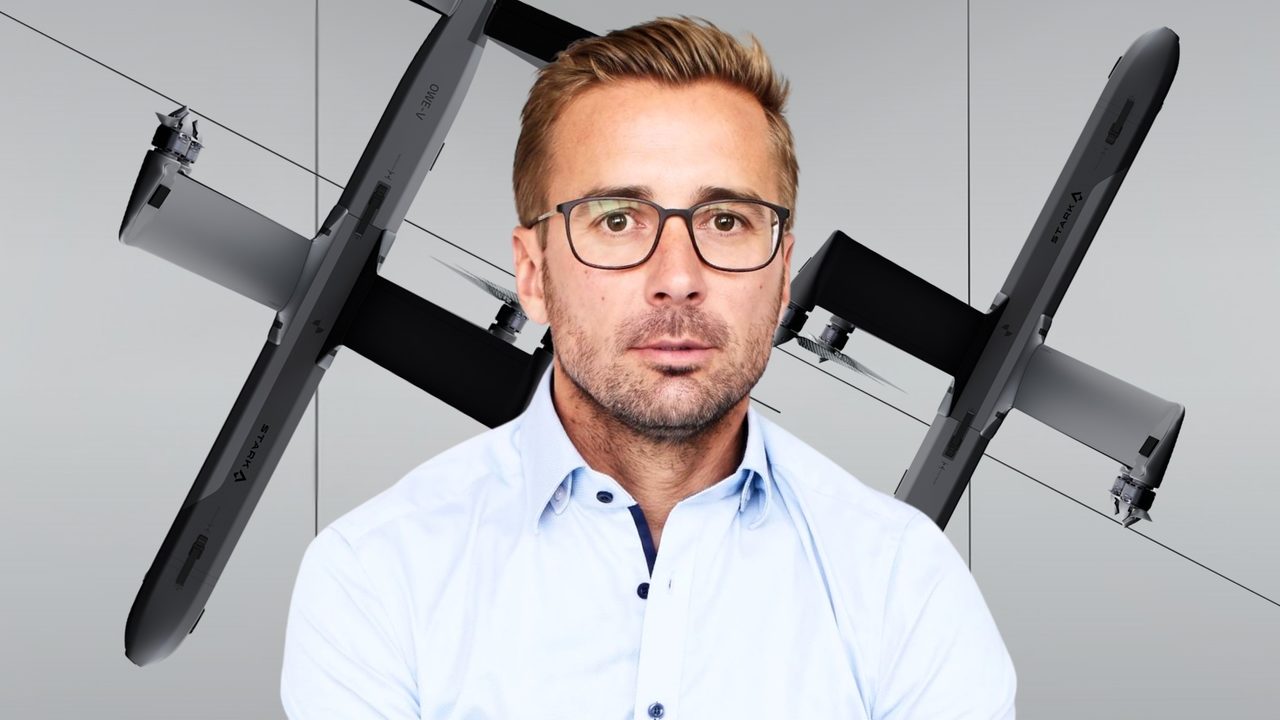
The real turning point was the war in Ukraine. The company's Vector reconnaissance drone proved indispensable for directing artillery fire, and Germany has already supplied Kyiv with several hundred of them — last year they flew more than 19,000 combat missions. The Quantum Systems team has also set technical records: in June this year, a battery-powered aircraft reached a speed of 699 km/h.
Over time, the company dropped its original ethical restrictions and began producing strike drones and interceptors as well — aircraft designed to shoot down other drones. Revenue this year could exceed $600 million (about 12.6 billion crowns), the company is profitable, and it plans to keep growing at triple-digit rates, with production in both Ukraine and the US.
Seibel isn't a one-company founder: since Quantum Systems was long unable to manufacture munitions itself, in 2024 he teamed up with investor Uwe to launch another venture, bringing his tally of billion-dollar companies to two.