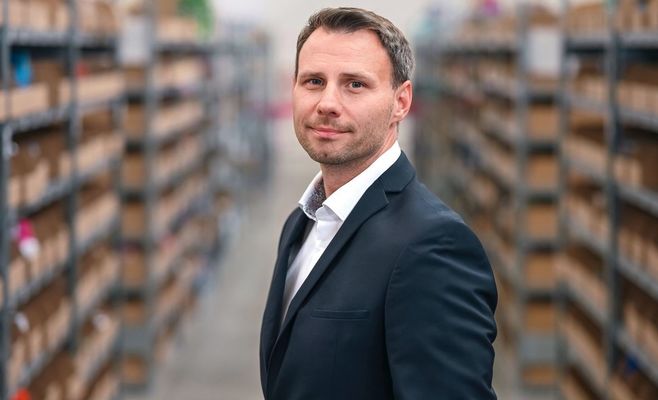
Slovak founder Robert Šochmann builds the cockpit of the future
USD 21,66
Popular
Slovak entrepreneur Robert Šochmann has built a system that lets you fly a full-size sport aircraft remotely — over the internet, from an office in Bratislava. His startup is creating the “cockpit of the future”: a smart cabin that doesn’t just display data but analyzes it and suggests decisions to the pilot in real time.
The breakthrough came in late July, when a small 600-kilogram sport aircraft, nearly seven meters long, flew at an altitude of several hundred meters, changing course and altitude with no one on board. It was flown by a pilot dozens of kilometers away, sitting in the Bratislava office with a laptop and a joystick, connected to the aircraft via the Starlink satellite network.
The 38-year-old Šochmann got into aviation and robotics as a teenager — at 18, while still in school, he started building his first drones. He later founded the startup Drone n’Base, which made gaming drones with laser weapons for “real-life Counter-Strike,” selling around two thousand units worldwide. Next came Trainshot, a maker of smart electronic targets for shooting practice.
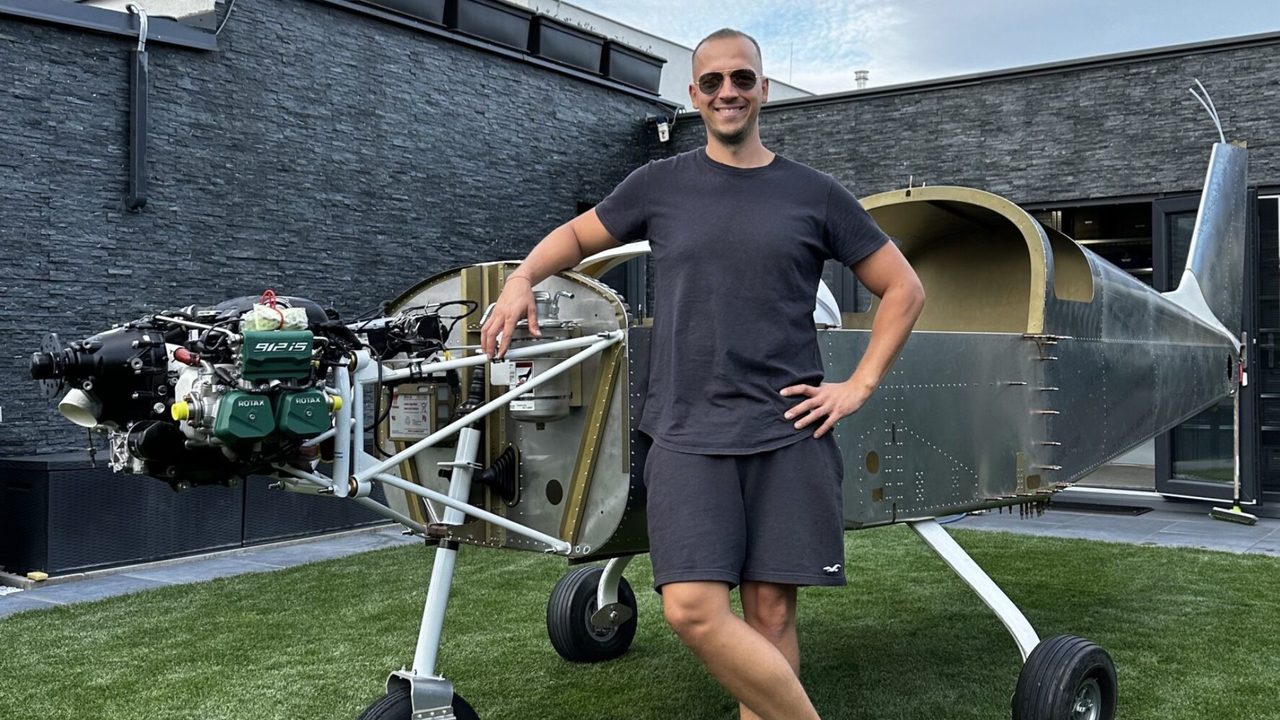
Each new venture added to his experience in robotics, electronics, sensors and data transmission. Eventually Šochmann returned to what had fascinated him since childhood — flying. The turning point came on a flight in Italy, where his aunt had sent him as a teenager: the pilot let him hold the controls, and despite hundreds of hours on simulators, the real g-forces left a lasting impression. Šochmann later earned a private pilot’s license and, with his team, built three ultralight two-seat aircraft by hand.
The next step was developing a new type of cockpit. In Šochmann’s view, modern cars and industrial equipment have long had smart assistants, while most sport aircraft cockpits have stayed technologically frozen in place. “The main problem with today’s cockpits is that they only passively display data,” he says. Systems warn about low oil pressure or other faults, but they don’t analyze the situation or suggest solutions based on current conditions.
Pilots are often forced to juggle several devices at once: checking weather on one tablet, navigation on another, keeping flight plans open on a third, and looking up extra information in paper manuals. Šochmann’s team built a system that brings all this data together in one place and analyzes it continuously. It can recognize radio communication with air traffic controllers, accounts for aviation regulations and the operating limits of a specific aircraft, and helps the pilot make decisions in flight — for example, when a storm front appears, it shows current satellite imagery and suggests a safer route or altitude.
“We’re not just developing artificial intelligence,” Šochmann stresses. “We’ve built an entire ecosystem.” His company’s portfolio already includes twelve hardware products — from sensors and gyroscopes to autopilots, software and displays — all designed and built in-house. He compares his approach to Tesla’s philosophy: build the technology from scratch rather than assembling solutions from other people’s components.