AfD Wins Saxony-Anhalt Election But Can't Get Its Premier: Political Deadlock in Germany
USD 21,62
Popular
The Alternative for Germany (AfD) party has won the state parliament election in Saxony-Anhalt, taking 43.8% of the vote and 39 of 83 seats, but is three seats short of forming a single-party government. The local AfD leader, Ulrich Siegmund, said he is ready to run for state premier if he can secure a stable majority from other factions and individual MPs.
A Deadlocked Arithmetic
Before the election, Siegmund promised to form a single-party government, but he is now open to other options — while insisting he has no intention of "bending" for the sake of power. He is demanding that the party's key positions on migration and internal security be implemented "100 percent," and is also calling for the state to terminate its agreement with public broadcasters.
The balance of power in the new parliament is razor-thin: the AfD holds 39 seats, matched exactly by the combined bloc of the CDU, SPD, Greens and Left Party, also with 39. The remaining five seats went to the BSW, the party founded by Sahra Wagenknecht, which barely cleared the five-percent threshold. That makes BSW the kingmaker in deciding what happens next — though for now it refuses to back either Siegmund or the incumbent CDU premier, Sven Schulze.
BSW co-chair Amira Mohamed Ali stated: "We will elect neither Siegmund nor Schulze." Instead, her party is proposing a non-partisan candidate for premier who would govern through shifting, issue-by-issue majorities, seeking support from different factions as needed. According to BSW general secretary Oliver Runert, talks with a suitable candidate are already underway, and the name will soon be presented to other parties.
Why BSW Might End Up Helping AfD
Of all the parties, BSW has shown the greatest willingness to engage with the AfD — even before the election, Wagenknecht spoke out against completely isolating the party politically. BSW has not ruled out cooperating on individual votes, and shortly before the election it proposed halting arms deliveries to Ukraine, a move initially calculated to win AfD votes. The convergence between the two parties is especially visible on Russia: BSW is calling for sanctions to be lifted and support for Ukraine wound down, having for years shown sympathy toward the Putin regime — a stance the AfD shares.
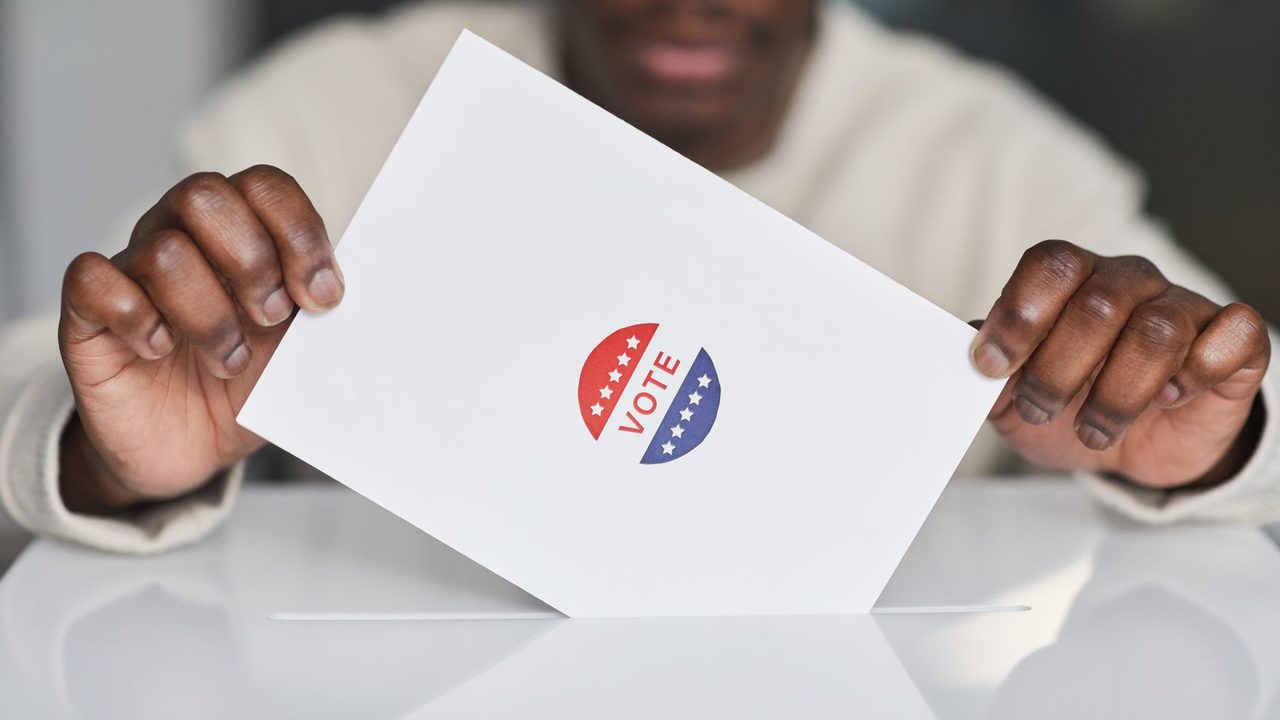
BSW's backing could prove decisive in the vote for premier. In the first two rounds, a candidate needs an absolute majority — 42 of 83 votes — while the AfD has only 39. In the third round, a simple majority of votes cast is enough. If all five BSW deputies abstain and the other parties hold together, the result would be a 39:39 deadlock. In that case, Siegmund would need either a single vote from outside the AfD or an abstention from someone within the CDU-SPD-Greens-Left bloc. Siegmund himself has acknowledged that if he cannot secure support, another scenario is possible: fresh elections.
Crisis in the CDU and Questions for Merz
Forming a coalition without the AfD is complicated by the fact that the right-leaning CDU would have to negotiate simultaneously with the left-wing SPD, the Greens, and the post-communist Left Party — cooperation with the latter has, like with the AfD, long been considered off-limits for the Christian Democrats. But even such a broad coalition would fail to secure a majority without BSW's support.
Saxony-Anhalt's CDU leader Schulze told a press conference in Berlin that his party should move into opposition: "We as the CDU no longer have a mandate to govern. The mandate to form a government now belongs to the AfD."
Meanwhile in Berlin, pressure is mounting on Federal Chancellor Friedrich Merz. "We are all deeply shaken," he admitted after a meeting of the CDU leadership, calling the party's defeat in Saxony-Anhalt its worst election result in many years — perhaps decades. According to him, Sunday's vote changed not just the state itself, but all of Germany. Merz reaffirmed that the CDU will not cooperate with the AfD, but according to German media, the party is already looking for someone to blame for the defeat — Merz and Schulze have pinned part of the responsibility on Sepp Müller, deputy head of the CDU/CSU parliamentary group, who had described an AfD victory as all but certain ahead of the vote.
The CDU leadership is trying to shut down talk of Merz's own political future, but according to Der Spiegel, party insiders are already discussing a "chancellor problem." Merz has faced mounting criticism for months: his cabinet has failed to deliver on promised reforms, and several polls put his approval ratings at rock bottom. The chancellor himself admitted: "Of course I ask myself how we got to this point."
Source: seznamzpravy.cz