Alanya Castle in Turkey: a guide to one of the coast's must-see landmarks
USD 21,75
Popular
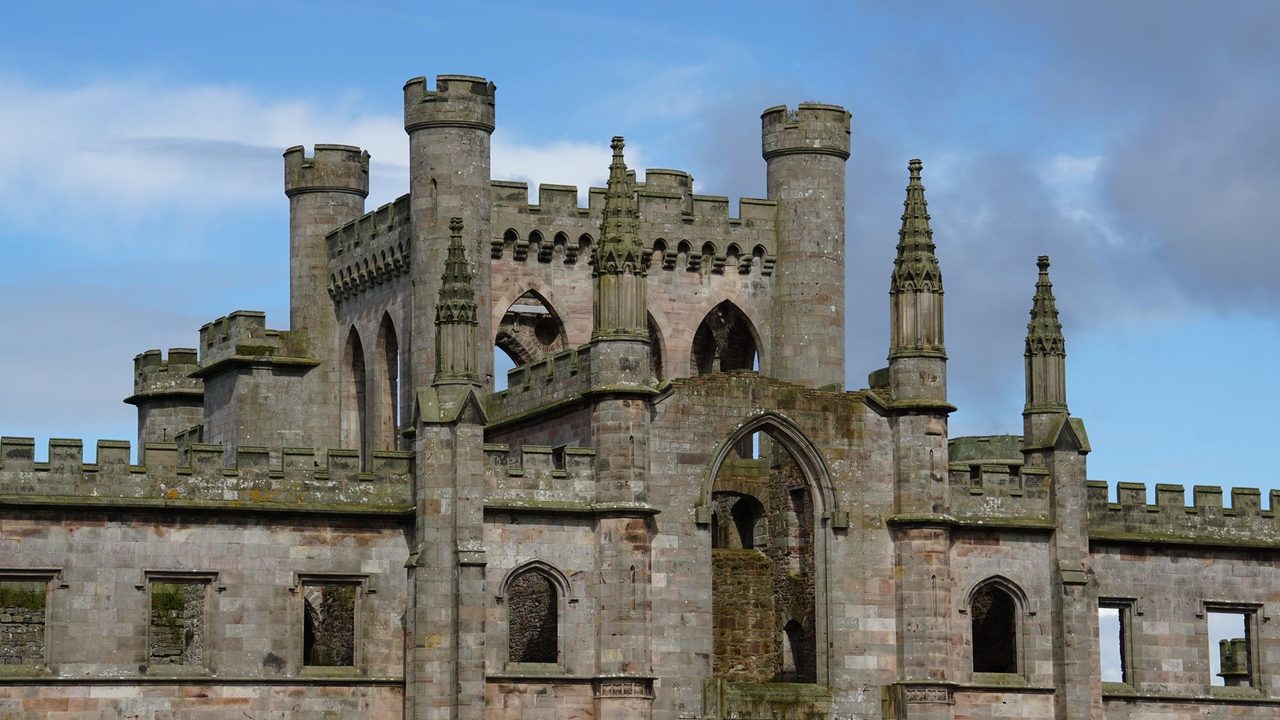
Alanya Castle, towering over the Mediterranean Sea and the Turkish city of the same name, home to nearly 400,000 people, remains one of the most visited attractions on Turkey's coast. According to travelers who visited in November 2025, a couple of hours are enough to see the citadel's highlights, but to take in everything — from the fortress walls and a medieval mosque to the old bazaar, an underground cistern, cemeteries, a mausoleum and churches — it's worth setting aside a full day.
How to get there and what to see
Most tourists arrive from nearby resort towns by plane and bus, then switch to local dolmuş minibuses, a cable car, or simply walk. One popular route is to take a dolmuş all the way to the top and then gradually make your way down through the entire fortress toward the sea, ending at the Red Tower.
The upper, oldest section of the citadel is the complex's only paid area. It's home to a Christian church and several viewpoints on rocky terraces, though travelers note this isn't necessarily the most striking part of the fortress — more a collection of walls, building foundations and information boards.
Further along the route are small cemeteries, trading buildings, two bazaars, and a massive underground cistern. Particularly worth seeing are the Süleyman Mosque, whose history dates back to the first half of the 13th century, and the Akşebe Tomb of the same era, which can't be entered but can be glimpsed through a grille. The most beautiful part of the fortress is considered to be the Ehmedek (Front Castle) — the section reached by visitors arriving via the cable car, and the starting point for the descent to the sea.
The peninsula fortress's history
The first fortifications on this site were built by the Romans back in 65–64 BC, though most of the fortress standing today dates to the 13th century — the era of the Seljuk Sultanate, under the rule of Alaeddin Kayqubad I. The fortress later passed to the Kingdom of Cyprus and then the Ottoman Turks. By the 17th century, around 300 houses stood within its walls, and two centuries later luxurious villas appeared that, admittedly, disrupt the complex's historical character. In 2009, the city of Alanya proposed the monument for inclusion on the UNESCO World Heritage List.
The peninsula fortress covers 10 hectares at an altitude of up to 250 meters above sea level. Its walls stretch for roughly 6.5 kilometers in total, with the southern section rising above a sheer cliff. An estimated hundred or so towers survive out of an original at least 140. In medieval and ancient times, nearly 400 cisterns were built here for water supply — some are still in use today.
Practical information for tourists
The fortress is open during the summer season (April to October) from 9:00 am to 7:00–7:30 pm, and in winter (November to March) from 8:30 am to 5:30 pm. Besides transport, food and souvenir costs, travelers paid only for entry to the inner "old" castle — 12 euros per person. There's a separate fee for the coastal fortifications — the Red Tower and the Shipyard (Tersane).
Those who don't plan to spend the whole day on the peninsula are advised to head to the fortress early in the morning, before the heat sets in and crowds gather. For longer visits, timing is less critical, but it's worth allowing extra time to explore the coastal buildings right at the water's edge — or splitting the walk over two days.
Read also: 9 restaurants in Prague with the best city views: where to go for dinner and a panorama
Source: turistika.cz