Babiš Scolds Reporter Over Questions as Parliament Bars Him for Three Months
USD 21,62
Popular
The Chamber of Deputies of the Czech Parliament has banned journalist Lukáš Valášek from entering the building for three months after he filmed SPD deputy chairman Radim Fiala in an area where filming is prohibited. Shortly before that, Prime Minister Andrej Babiš had publicly told journalists to "get used to" not asking him uncomfortable questions.
Silence at the press conference
Last week, Valášek tried to ask the prime minister at an official government press conference what the cabinet was doing about Russian influence operations — Babiš had left a written request on the subject unanswered for several days. Before the event, the government's press secretary asked journalists in advance what they intended to ask, and in the end Valášek was not given the floor.
The irony is that the journalist was simply following the prime minister's own advice. A few days earlier, responding outside the press room to Czech Television reporters' questions about a conflict of interest identified by the European Commission, Babiš snapped at them: "You have this terrible habit of constantly pouncing on me like this, so you'd better get used to it not happening." Valášek took the advice literally — and again was left without an answer.
Banned over a camera in the corridor
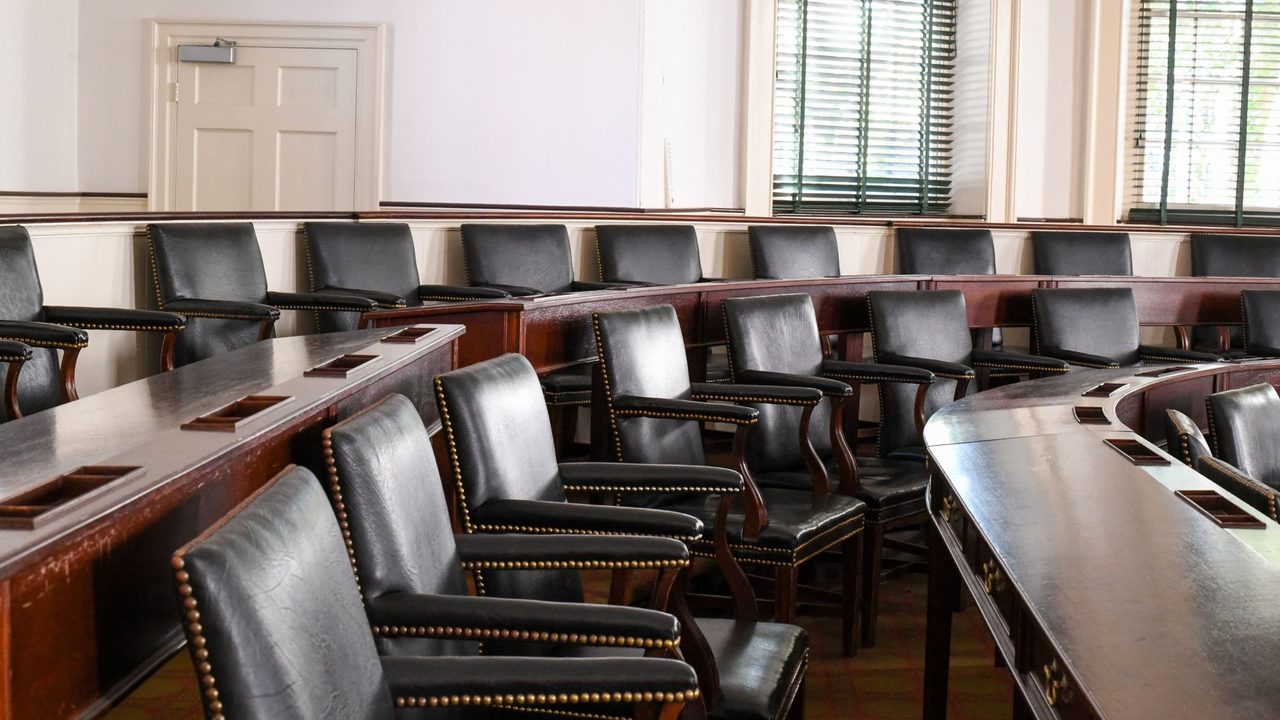
The next day, Valášek went to the Chamber of Deputies, where journalists can usually catch politicians in person. At the entrance he was told that access to the building had been closed to him for three months. The reason dated back to July: he had filmed SPD deputy chairman Radim Fiala in a part of the building where filming is banned under the internal rules. Fiala, dodging questions, described a deal that the experts interviewed called possible tax evasion.
The Chamber of Deputies imposed on the journalist the harshest penalty provided for under its rules — a three-month ban on entering the building — without any advance warning: Valášek learned of the decision by chance. The new accreditation rules had only just taken effect, on September 14: they precisely define where filming is freely allowed, where it requires consent, and where it is banned outright, and they introduce a scale of penalties ranging from a warning and immediate removal from the building to loss of accreditation for one to three months.
Not an isolated case
Valášek is not the first journalist to be barred from access to officials and deputies in Czechia. The Chamber of Deputies had previously denied entry to journalist Nora Fridrichová. Over the summer, the Ministry of Foreign Affairs barred Deník N editor Zdislava Pokorná from its press conference, on the grounds that her outlet belonged to "alternative media and conspiracy-theory blogs."
A telling incident also occurred during an attempt to resolve Valášek's own ban: while his colleague Kristýna Círoková was discussing the suspension with Chamber of Deputies Speaker Tomio Okamura (also of SPD), an aide to the speaker began filming the conversation on camera — in precisely the spot where the rules forbid journalists from doing so.
Other notable stories of the week
The same week, the outlet also reported on several other investigations. Czech police detained representatives of the Russian propaganda channel "Rybar," which has around one and a half million subscribers — they were questioned for nine hours and then ordered to leave Czechia, and the story was picked up by media in ten European countries. In the town of Kouřim, hundreds of local residents signed a petition against a company suspected of using the site of a former landfill under the guise of a golf course; the firm has already been fined 800,000 crowns. In Ostrava, a ministry official, in issuing a ruling on a case involving the import of 568,000 tonnes of waste, copied arguments submitted by the company itself directly into the text of the decision. ANO party deputy Jan Richter spent more than six years renting a municipal apartment in Chomutov at a discounted "social" rate of about 60 crowns per square metre, while at the same time chairing the supervisory board of the city-owned company that owns the building. And psychiatrist Jan Cimický was last week finally convicted of 39 sexual offences committed over 40 years of practice.
Read also: Rental scams in Prague: how to spot fraud
Source: seznamzpravy.cz