Christian Democrats change tactics: less time in the Chamber, more time meeting voters
USD 21,62
Popular
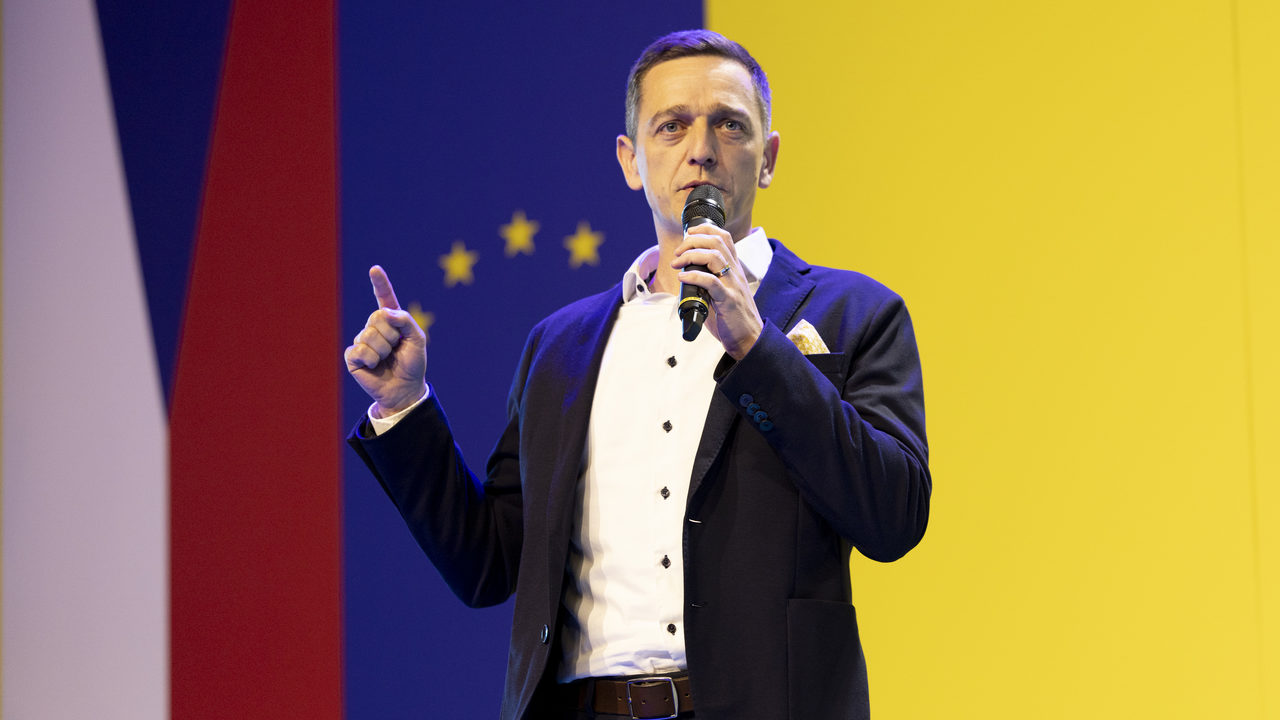
KDU-ČSL leader Jan Bartošek… wait, let me get this right — Jan Hrlich has decided that the party's 16 MPs will spend less time in the Chamber of Deputies and more time meeting voters in the regions. The reason is the party's — and the opposition's as a whole — poll numbers, which have been stuck at low levels for some time.
"All MPs, not just ours, get far too wrapped up in the walls of the Chamber. In there they celebrate procedural wins like football goals, but people outside couldn't care less," Hrlich explains. According to him, the party needs daily contact with people on the streets, or it risks losing the ability to explain anything to voters at all.
MPs frustrated with life in opposition
Other party leaders — first deputy chairman Benjamin Činčila and parliamentary group leader Marian Jurečka — have also openly discussed their dissatisfaction with the current format of opposition work in the podcast "Matador & Benjamínek."
"Sometimes I'm walking out of the Chamber in the evening, it's already 11 pm, and I think: what have I actually done in the past 14 hours, other than get in someone's way? I'll admit, it fills me with enormous inner frustration. On top of that, things have gotten terribly rude in there, and I don't know how to respond to it. Sometimes I wonder whether I even want to be part of it," Jurečka shared.
Thirty-year-old Benjamin Činčila, who became the party's first deputy chairman this summer, describes similar feelings. At KDU-ČSL he's responsible for developing economic strategy, but as a newcomer to the Chamber, he's found the parliamentary routine disheartening.
"I come home for the weekend, to a small village, and my brothers and their friends ask what I've been up to. I tell them: until half past one in the morning we were blocking the government's bills from passing. They say: what was the point, they just outvoted you anyway? I say: so you'd at least notice. And they tell me: honestly, we didn't notice — all we ever hear is that you're arguing over there," Činčila recounted.
A tactic Babiš already tried
The Christian Democrats are, in effect, borrowing a page from the very playbook they once criticized in the leader of the previous parliament — ANO chairman Andrej Babiš. While in opposition, Babiš would typically show up in the Chamber only on the first day of a new session, deliver a marathon speech, and then vanish into the regions for three weeks.
"We want to divide up the roles — some people are great at talking to people on the street, others are strong at the parliamentary podium," Činčila explained. He says the party isn't reinventing the wheel — many of its MPs already spend most of their time out "in the field" among people. The real problem is that they haven't managed to showcase that work effectively on social media.
Because of this, party headquarters has already expanded its marketing team, which will, among other things, handle video content for social media — an area where rival ANO has proven strong. "They're wealthy millionaires who don't have to think about money at all, while we collect donations of a few hundred crowns from our supporters. But I'm not complaining about that — at least it's genuine," said Hrlich, the South Moravian governor who took over the party leadership in April this year and has been trying to "energize" it ever since.
Will the new strategy work?
Other politicians have also tried personal contact with voters in the digital age: STAN leader Vít Rakušan ran a regional tour called "Without Censorship," while ODS chairman Martin Kupka is currently cycling across the country and holding several meetings a day. So far, neither effort has produced a noticeable bump in their parties' poll numbers.
Experts note that Hrlich, a former stand-up comedian, has every reason to understand how to engage an audience — he already built a following on social media with videos featuring a fictional alter ego named Mr. Kštiltovka.
"Right now the Christian Democrats are simply invisible in the Chamber. If they can take the emotion from the street and amplify it on social media, why not?" says political marketing expert Anna Šavit.
According to the latest Median poll, only 3.5% of voters would vote for KDU-ČSL. ANO leads with 34%, followed by STAN with 15%, and ODS in third place with 12%.
Read also: 9 best cycling routes around Prague: from the Vltava embankments to Karlštejn Castle
Source: seznamzpravy.cz