African wild dogs walk nearly 4,000 km in search of mates
USD 21,62
Popular
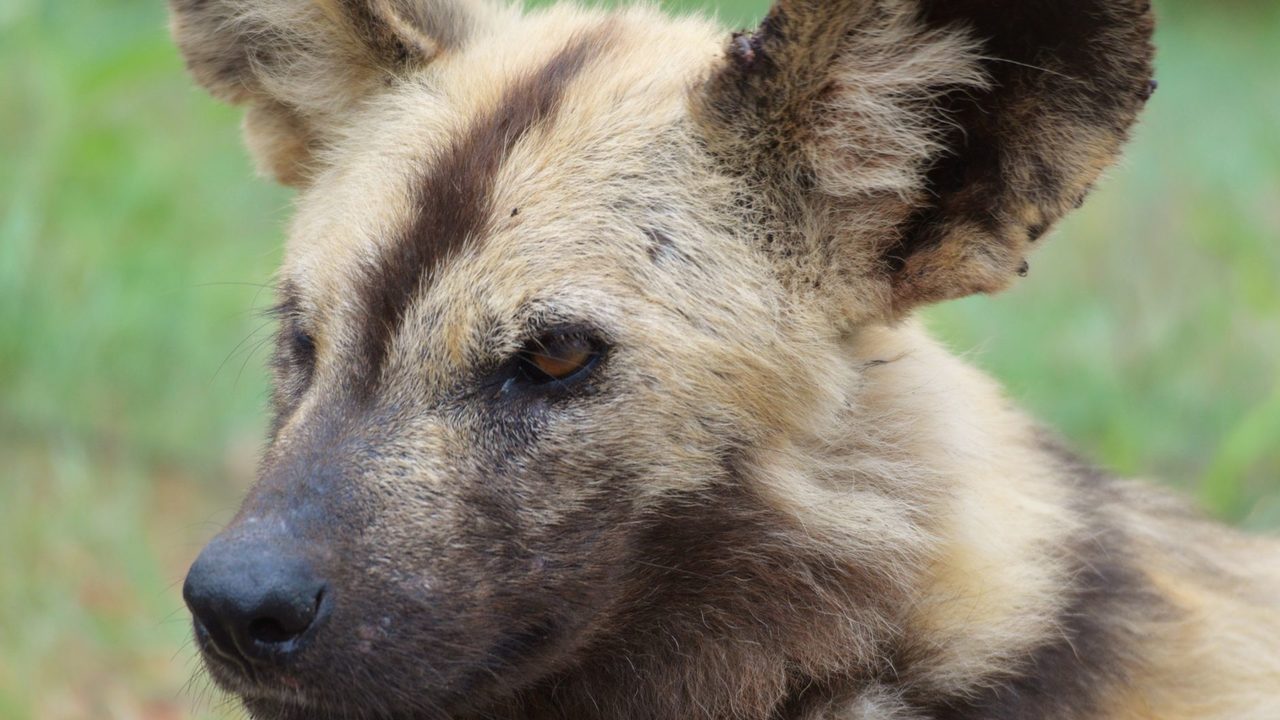
African wild dogs searching for mates have travelled almost 4,000 kilometres across Zambia. This is the finding of a study published in the scientific journal Ecology. Scientists believe such journeys reveal a great deal about the fate of one of the continent’s rarest predators.
An estimated 6,000 of these animals remain in the wild. They live in highly social packs and hunt together. Instinct prevents them from breeding within their own pack, so at the age of two or three, young animals set off to find a partner in another pack.
A dangerous journey to find a partner
The researchers also tracked three females that made an equally long journey. Two of them died along the way, one caught in a poacher’s snare. Illegal traps, the scientists note, are a serious threat to these animals.
Why wildlife corridors matter
The way the animals crossed difficult terrain and obstacles indicates, in the scientists’ view, that separate predator populations in eastern and southern Africa may remain connected to one another, despite the growing human impact on the landscape.
The study, the authors say, underlines the value of wildlife corridors linking protected areas that are separated by roads, towns or farmland. Conservationists remind us that large protected zones cannot be treated as isolated islands. Animals that travel long distances need a single, connected landscape to survive.
Source: ekolist.cz