Thanksgiving Dinner for 10 Costs $58.63 as Turkey Prices Jump 10%
USD 22,22
Popular
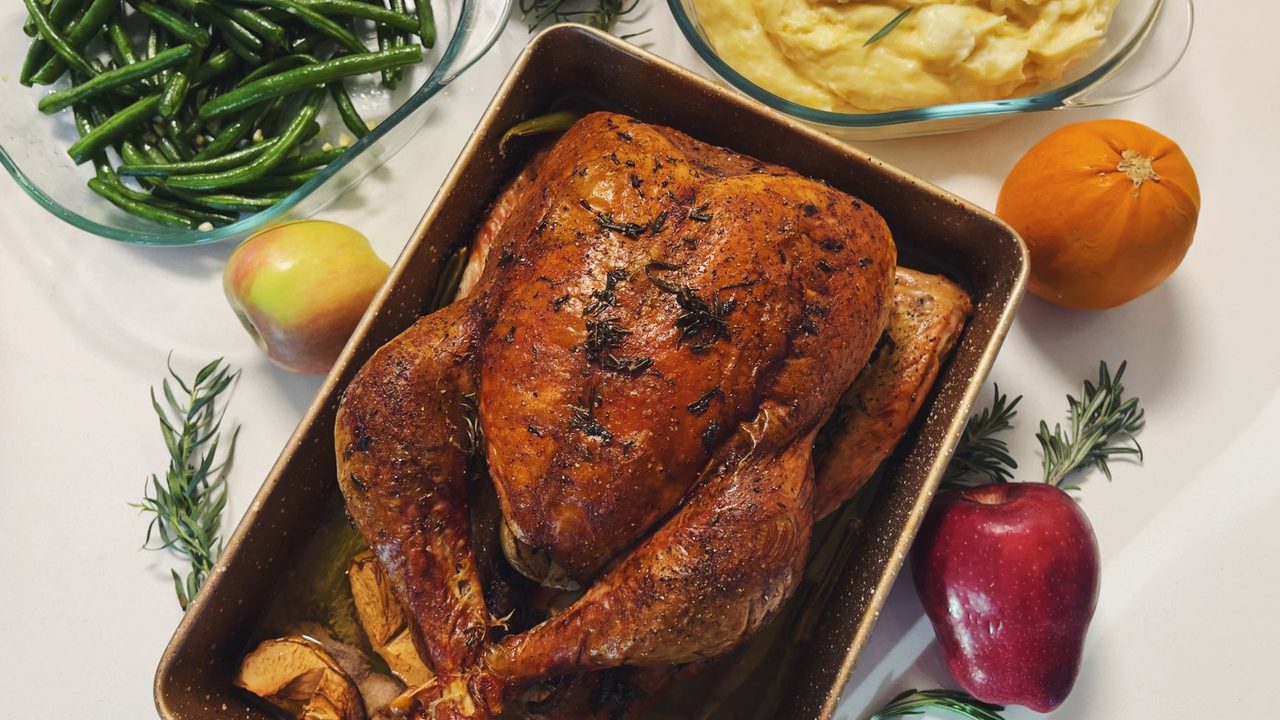
A traditional Thanksgiving dinner for 10 people will cost an average of $58.63 this year, about 6% more than in 2025, according to the American Farm Bureau Federation's annual survey, released Wednesday. It is the first yearly increase since 2022, and the main driver is the turkey itself.
The total works out to about $5.86 per person. Even after the rise, the meal remains $5.42, or 8.5%, below the record of $64.05 set in 2022, High Plains Journal reported.
Why turkey costs more this year
The 16-pound frozen turkey in the survey averaged $23.68, or $1.48 per pound, up from $21.50 last year. High Plains Journal put the increase at 10.1%. The Farm Bureau linked the higher price to rising production costs and a recovering turkey population.
NBC Connecticut reported that bird flu has hit U.S. turkey flocks since an outbreak began in 2022, but cases have been waning and production rose substantially this year. At the same time, demand has climbed as more Americans look for lean protein and exports grow, which has kept inventories tight. Mark Jordan, executive director of Leap Market Analytics, said producers are feeling better about their position after years of what he called “doom and gloom.” The U.S. Department of Agriculture expects the wholesale price of a whole frozen turkey hen to average a record $1.76 per pound this year, up 29% from last year, NBC Connecticut said.
Fuel and farm costs push other prices up
The Farm Bureau said high diesel prices made it more expensive to process and transport staples such as milk, dinner rolls, potatoes and cranberries. According to AAA, diesel prices have surged since the start of the Iran war and reached a record average of $6.53 per gallon in September. On Wednesday diesel averaged $5.96 per gallon, up 58% from a year ago.
Jordan said diesel probably did not affect this year's turkey prices, because most of the planning and timing for the birds being eaten this month came before fuel costs spiked. He said diesel could matter more for turkey prices next year.
Among other items, fresh cranberries rose 8.8% to $2.48 for a 12-ounce bag, a gallon of whole milk rose 8.6% to $4.05, and a dozen dinner rolls rose 7% to $3.81, High Plains Journal reported. Some items got cheaper: a 1-pound vegetable tray of carrots and celery fell 3.7% to $1.31, and frozen green peas fell 2% to $1.99 per pound. Whipping cream dropped 1.6% to $1.84 per half-pint.
What it means for your Thanksgiving shopping
The survey describes average prices collected by volunteers in the first week of November, and shoppers may pay less. High Plains Journal reported that the USDA's Agricultural Marketing Service saw the average advertised price per pound for whole frozen turkeys decline in the second week of November, and stores often discount turkeys closer to the holiday.
Some retailers say their feasts cost far less than the survey average. According to NBC Connecticut, Aldi said its feast for 10, which mirrors the Farm Bureau menu, costs $39, while Walmart, whose list differs slightly, said its version costs $35. Capital Press reported that some Farm Bureau volunteers found turkey for as little as 69 cents per pound, nearly half the national average. The survey itself looked for the lowest available prices without special coupons or combined-purchase offers.
Where you live also matters. The Farm Bureau's regional averages for the traditional meal are:
- South: $54.33, the lowest.
- Midwest: $56.89.
- West: $58.74.
- Northeast: $61.57, the highest.
Capital Press reported that every region saw an increase for 2026 except the West, where the cost fell $3.01 for a second straight year.
The survey also priced an expanded menu that adds boneless ham, russet potatoes and frozen green beans. Those extras add $23.09 and bring the national average to $81.72, High Plains Journal reported.
What's at stake beyond the holiday table
The Farm Bureau's economists, Faith Parum and Cameron Castillo, wrote that higher grocery prices do not necessarily mean better returns for farmers, because any extra revenue is needed to cover higher fertilizer, fuel and other production expenses. Farm Bureau President Zippy Duvall called on Congress to act on the farm bill and agricultural labor reform, citing a struggling farm economy and a shortage of farmworkers.
NBC Connecticut noted that persistently high grocery prices have frustrated Americans since the pandemic. According to U.S. government data, prices for food eaten at home jumped 22% between October 2021 and October 2026. The USDA predicts a 2.3% rise this year, below the recent annual average of 2.6%.
A separate Food Industry Association report, cited by Capital Press, found that 45% of shoppers are extremely or very concerned about rising holiday food prices. It also found that 59% of respondents planning a turkey meal will make it from scratch at home, up 16 points from 2025, and that shoppers plan to cut back on spending such as clothing, decor and events before they cut back on the feast.
The Farm Bureau began the survey in 1986 and has kept the traditional menu unchanged, so results can be compared over time. It covers turkey, stuffing, sweet potatoes, dinner rolls, peas, cranberries, a vegetable tray and pumpkin pie with whipped cream. This year's pricing included stores in all 50 states and Puerto Rico.
Around Prague, based on reporting by High Plains Journal, NBC Connecticut, Capital Press