Rare One-Horned Rhino Calf Takes First Steps on Zoo Camera in England
USD 22,23
Popular
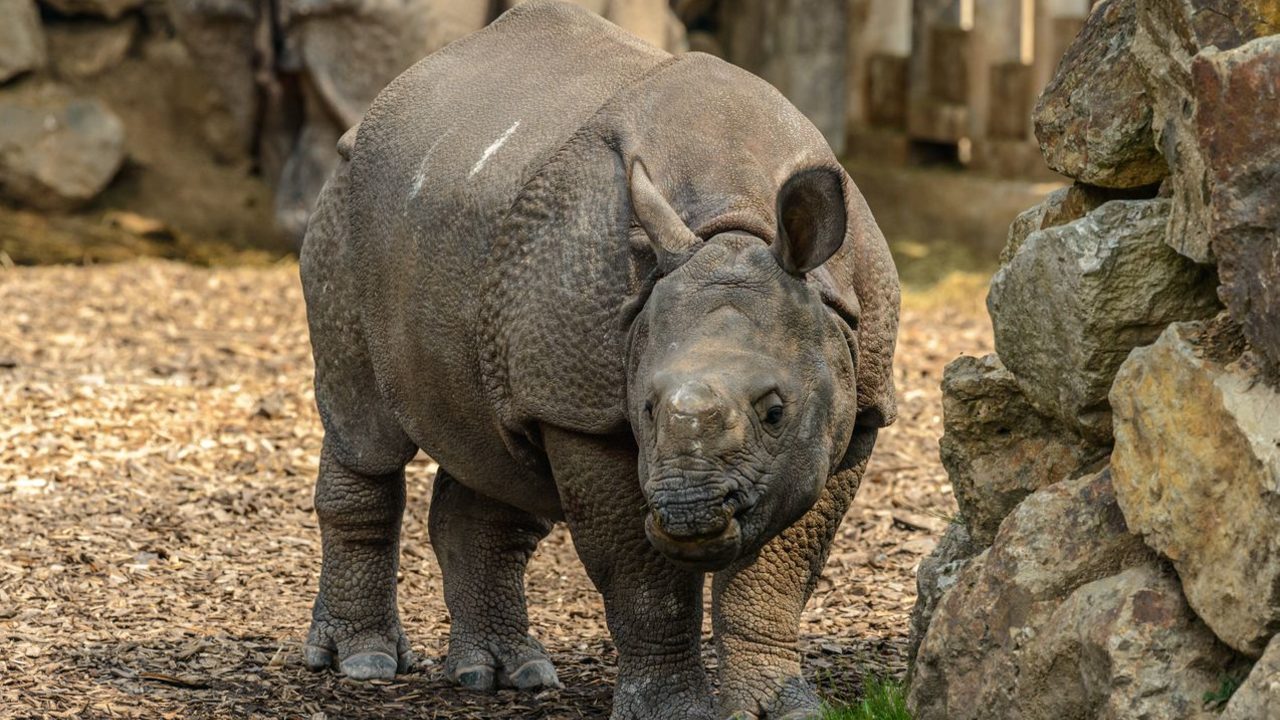
A rare greater one-horned rhinoceros calf was born at Chester Zoo in England on the evening of Oct. 11, and security cameras recorded the birth, Popular Science reported. The footage shows the mother, Asha, giving birth and the calf taking its first unsteady steps.
Both mother and calf are reportedly in good health. The calf is part of a Europe-wide breeding program for a species that remains at risk of extinction.
What do we know about the calf?
Not much yet. According to Popular Science, the zoo has not announced the calf’s sex or weight, and the animal has no name. Greater one-horned rhino calves typically weigh about 100 pounds at birth. The largest adults weigh over two tons, about as much as a car.
The zoo’s rhino team manager, Emma Evison, said any birth can be risky, even for an experienced mother, but everything went smoothly. The calf was up and about within an hour and feeding shortly afterward.
How did the zoo plan the pregnancy?
Keepers combined experience with testing that does not disturb the animals. They watched Asha’s behavior closely and regularly collected samples of her dung. Hormone levels in those samples let the team track her reproductive cycle and work out when she would be most receptive to mating, which helped them introduce her safely to a male rhino named Beni. A separate analysis then confirmed the pregnancy.
Evison said Asha was pregnant for about 15 months. She said the team had its fingers crossed when Asha showed signs of labor, and she described the mother as an animal that “knows exactly what she’s doing.”
How are mother and calf doing now?
They stayed indoors for the first few days to keep warm. They have since moved to a special behind-the-scenes paddock outside the main enclosure. This is Asha’s fourth calf with Beni.
Beni died in September after a sudden, brief illness. Tom Garland, assistant manager of the rhino team, said Beni was calm and approachable, helped train animal care specialists and took part in studies of animal behavior. Garland said it was lovely to know that Beni’s legacy lives on through the calf.
Why does one calf matter for a threatened species?
Greater one-horned rhinos are the biggest rhinos in Asia, standing about six feet tall at the shoulder. They have the smallest horns of any rhino but the biggest teeth, which males sometimes use to bite one another while sparring.
About 4,000 are alive today, living in forests, wetlands and grasslands in India and Nepal. In the early 1990s, trophy hunting and habitat loss nearly drove them to extinction, and poaching for their horns added to the threat. The International Union for Conservation of Nature Red List now lists the species as Vulnerable, but Popular Science noted that it remains at risk.
What does this mean for the species’ future?
Many of the remaining rhinos are concentrated in a relatively small number of protected areas, which puts their genetic diversity at risk. A lack of diversity can lead to inbreeding and poorer health generally.
The new calf is part of a Europe-wide conservation breeding program that aims to keep the population living in human care healthy and genetically diverse. Conservation scientist John O’Hanlan said Asha is one of relatively few greater one-horned rhinos in Europe actively breeding, so every successful birth is important for maintaining that diversity.
For people who care about the species, the birth is a small but concrete gain: one more healthy animal in a managed population that depends on each calf. The zoo has not said when the public might see the calf in the main enclosure.
Around Prague, based on reporting by Popular Science