Évora, Portugal: a museum city with a UNESCO-listed historic centre
USD 21,75
Popular
Évora is a city of more than 50,000 people, about 135 km east of Lisbon. Since 1986 its historic centre has been a UNESCO World Heritage Site, and the city itself is often called a museum city.
It is the only Portuguese city counted among Europe’s oldest cities. Given the abundance of churches and monasteries, “city of churches” would be just as apt.
An old centre within the city walls
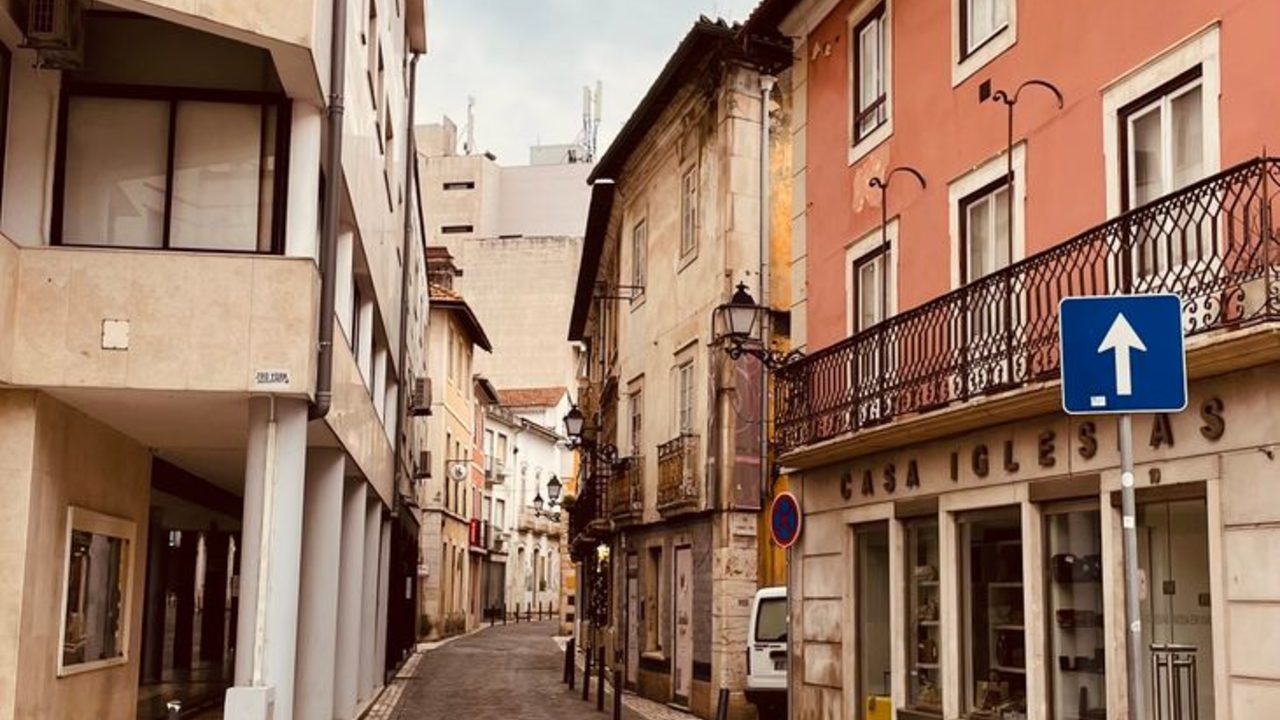
Évora’s historic centre is essentially a separate district encircled by medieval city walls more than three kilometres long. Inside are narrow lanes, courtyards, squares and tiny little plazas. The best known of them is Giraldo Square, on the southern side of the old fortifications.
It is said that the old core of the city still preserves traces of the many civilisations and cultures that passed through: Celts, Romans, Arabs, Jews and Christians. Évora’s golden age came in the 15th century, when it became a seat of the Portuguese kings. The white houses with wrought-iron balconies, built in the 16th to 18th centuries, are of unique architectural and artistic quality.
Cathedrals, bones and a Roman temple
The main sights of the centre are above all religious buildings, led by the Sé Cathedral, along with several churches and monasteries. They combine Romanesque and Gothic elements with the Manueline style, the name for late Portuguese Gothic with touches of Renaissance and Moorish architecture.
The local museum, founded in 1915, is also worth a visit: it holds valuable collections of paintings, Roman sculptures and medieval tombstones. Just as striking is the eerie Chapel of Bones, part of the Church of St Francis. The city also has the remains of the ancient Roman Temple of Augustus, often wrongly attributed to the goddess Diana.
Read also: 6 Prague cemeteries where history and art matter more than grief: a guide to museum necropolises
Source: turistika.cz