Marquis de Pombal: How the Lisbon Earthquake and the Execution of a Noble Family Opened Portugal's Path to the Enlightenment
USD 21,75
Popular
In the mid-18th century, Portugal experienced a series of events that would radically reshape its history: the catastrophic earthquake of 1755, an assassination attempt on the king, and the brutal punishment of the noble Távora family became the tools with which one man — the future Marquis de Pombal — broke the power of the aristocracy and the Church and set the country on the path toward Enlightenment ideas.
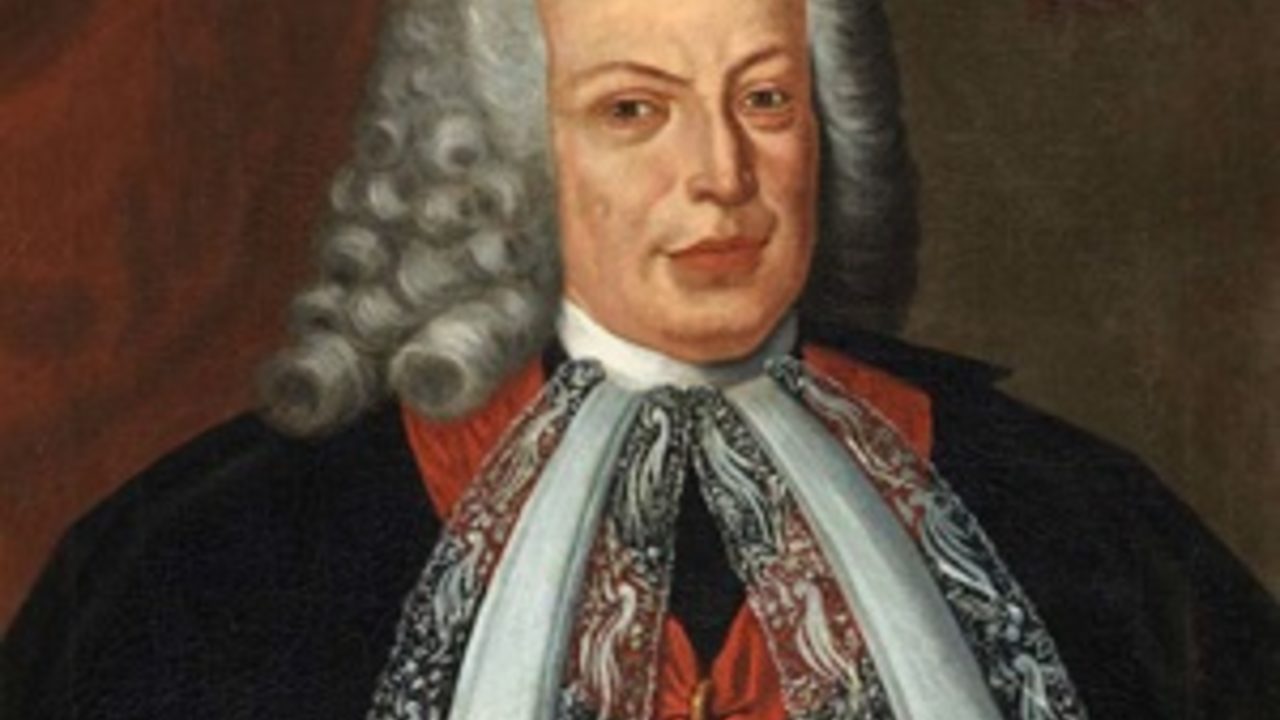
Sebastião José de Carvalho was born into a family of minor provincial nobility. He studied at university, served in the army, and while working as a diplomat in Great Britain (from 1738) and Vienna (from 1745), became acquainted with European Enlightenment thought. From 1750, now serving as foreign minister, he attempted to push through reforms but ran into fierce resistance from the Church and the high nobility, who continued to view him as a mere "provincial upstart." His greatest asset was the trust of King José I, who had ascended to the throne that same year.
On November 1, 1755, Lisbon was struck by the greatest catastrophe in Portuguese history. At half past nine in the morning, on All Saints' Day, when many residents were attending church, the city was shaken by a devastating earthquake. People perished under collapsing buildings, in fires, and in the tsunami waves that followed. Estimates suggest that between 60,000 and 100,000 of Lisbon's 275,000 residents lost their lives. It was Carvalho who took charge of the rescue effort: he introduced the death penalty for looting, ordered the dead buried in mass graves — a move that provoked conflict with the Church — and shaped the future look of the city, with wide boulevards and buildings designed to withstand future tremors.
The Church declared the disaster divine punishment and opposed Carvalho's reforms, while the aristocracy made no secret of its contempt for the "low-born" chief minister. But the reformer's enemies had no idea how dramatically the situation was about to turn in his favor.
On the night of September 3, 1758, King José I was returning incognito by carriage from a visit to his mistress when, on the outskirts of Lisbon, three men attacked his coach. Both the king and his coachman were wounded. The investigation, personally led by Carvalho, was initially kept secret. Within days, two of the attackers were arrested and, after a swift trial, confessed that they had acted on the orders of the Távora family — allegedly plotting to kill the king in order to place Duke José Mascarenhas de Aveiro on the throne. Both attackers were hanged, and the assassination attempt was made public the following day.
It was only weeks later that authorities arrested Marchioness Leonor de Távora, her husband the Count of Alvor, all their sons, daughters and grandchildren, along with the Duke of Aveiro and Távora's sons-in-law — the Marquis of Alorna and the Count of Atouguia — together with their families. Even the marchioness's Jesuit confessor was taken into custody. All were charged with treason and conspiracy to assassinate the king; the Távoras themselves denied any wrongdoing. An unusual feature of the trial was the torture of witnesses — every single defendant, including women and children, was sentenced to death, and only the queen's intervention spared some of them. The Távora name was struck from the rolls of nobility, their coat of arms abolished, and even uttering the family name was forbidden. The Duke of Aveiro's palace in Lisbon was demolished, and the ground was symbolically sprinkled with salt so that nothing would ever grow there again.
The execution took place on January 13, 1759, in the presence of the king and the entire court — by the standards of the time, such a punishment inflicted on people of near-royal status was shocking to all of Europe. The charred bodies were thrown into the Tagus River. The spectacle was meant to send a clear warning to the nobility: never again rise up against royal authority or its reforms.
The Church was the reformer's next target. In June 1759, the Jesuits were banned from hearing confession or preaching, and on September 3 of that same year, Carvalho expelled the order from Portugal and its colonies entirely, confiscating all their property. Under pressure from the authorities, the Lisbon cardinal approved the decision, and the papal nuncio was expelled from the country — a move that sharply chilled relations with the Vatican. The repressions continued until September 1761, when 57 more suspected conspirators were executed on Lisbon's Rossio square; among those burned at the stake was the well-known Italian Jesuit Gabriel Malagrida.
In recognition of his services, Sebastião de Carvalho was granted the title Count of Oeiras in 1759, and in 1769 he received the title by which he is known today — Marquis de Pombal.
The question of the Távora family's guilt is still debated among Portuguese historians. Most now believe the "assassination attempt" may well have been an ordinary robbery: the king was traveling incognito and without guards through areas where nighttime muggings were common, and the nature of the attack bears little resemblance to a carefully planned action by the highest nobility. The fact that none of the Távoras or their allied families attempted to flee the country after the failed attack also lends weight to their innocence. In 1781, a review of the case officially confirmed that the Távoras had been innocent.
After King José I's death and the accession of his daughter Maria I in 1777, the new queen made no secret of her contempt for her father's chief minister. Turbulent public demonstrations broke out demanding Pombal be punished. The queen stripped him of all his powers and banished him from Lisbon. Some of his reforms were reversed, and the Jesuits returned to the country — yet the spirit of the Enlightenment had already taken root in Portugal, ushering in a flourishing of the natural sciences. It is often noted that without the destruction of Lisbon in 1755, Pombal might never have found the resolve for such sweeping reforms, nor for the ruthless methods used to carry them out. His monument still stands in Lisbon today — a reminder of a complicated era that cannot be judged by today's standards.
Source: osel.cz