Edible mushrooms grow in cemeteries in Czech Kopřivnice and Zlín
USD 21,83
Popular
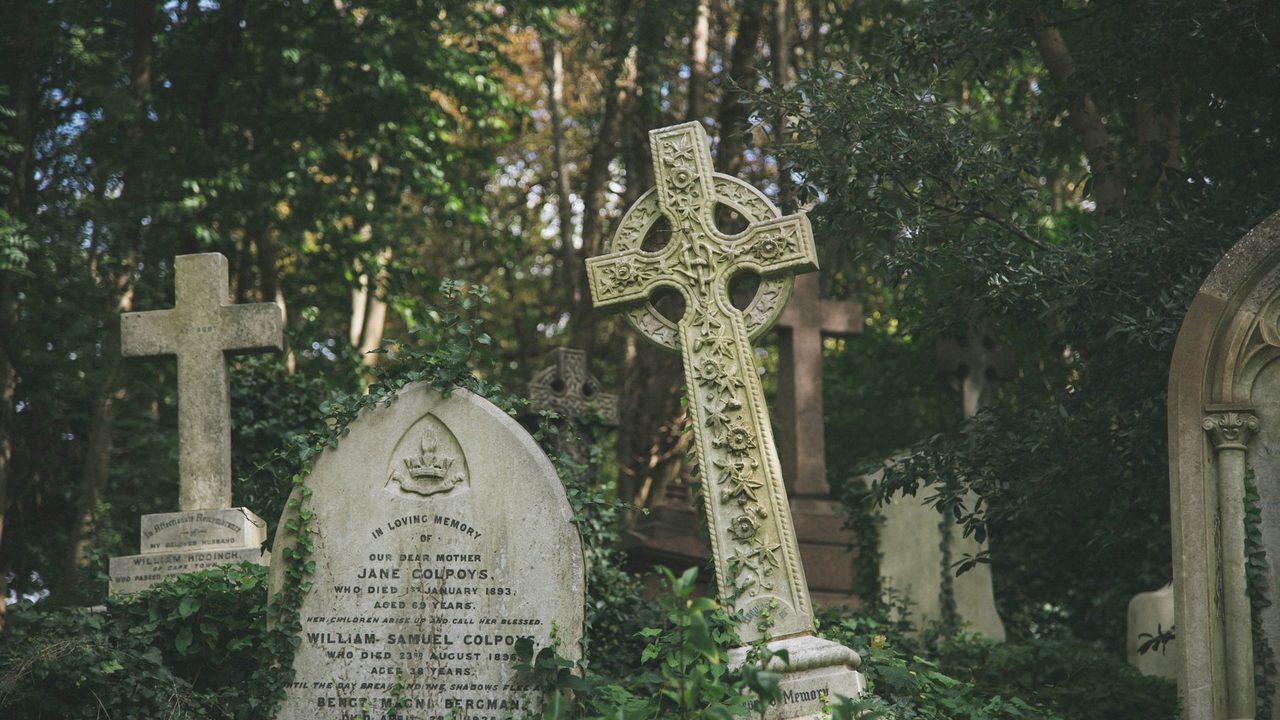
Mushrooms grow right on the graves
In the Czech town of Kopřivnice, dozens of edible mushrooms spring up year after year in the municipal cemetery, and some of the species are considered rare in an ordinary forest. Local mycologist Durček explains this simply: a cemetery is essentially a “manicured park,” and mushrooms there turn up even right on the graves.
According to Durček, wherever pines grow, the weeping bolete appears year after year, together with the sticky gomphidius and the velvety psathyrella, and occasionally even the rare cone-shaped amanita. All of these mushrooms, he says, are edible — “even the amanita, though it doesn't taste like much.” The best time for quiet mushroom hunting in the cemetery depends on the weather: in a good year, the mycologist reckons, you could fill a whole basket. His observations are echoed by Standa, an employee of the municipal company Slumeko who mows the grass between the gravestones: he says mushrooms grow all over the cemetery, but nobody goes there specifically with a basket — people only pick them if they happen to be nearby anyway. Durček named the weeping bolete the biggest delicacy among the cemetery finds — in an ordinary forest it is rarely seen.
Baťa's Forest Cemetery in Zlín
A similar picture emerges in Zlín, at the Forest Cemetery once founded by the industrialist Tomáš Baťa. This was confirmed by Karel Teikal, a board member of the Czech Mycological Society: he picks mushrooms there himself and says he has never encountered such a wealth of species anywhere else. Among other things, the cemetery is home to the oak bolete and a number of species that are rare from a mycological point of view. Teikal admitted that he used to be embarrassed to pick mushrooms in a cemetery and would only go there with a camera, but now he does pick them after all — on weekdays, though, when there are few people around.
Why mushrooms love cemeteries
There is no definitive answer as to why mushrooms like growing among graves so much. One theory holds that trees in cemeteries are felled far less often than in forests, so they live to a ripe old age. Teikal adds that a similar wealth of species is found in city parks laid out on the site of former buildings: the remains of walls, plaster and the lime-induced reaction of the soil create conditions for mushrooms that you would never encounter in an ordinary forest.
It is impossible to say which cemetery is more interesting for mycologists — finds turn up unexpectedly everywhere. For instance, a colleague of Durček's discovered a ruby bolete — a mushroom with a bright ruby-red cap — on a children's playground in Lubina, part of Kopřivnice. Durček himself was surprised by the find, since he had never been to that spot. The explanation is simple: mushrooms reproduce via lightweight spores that travel through the air for many kilometres — mushroom spores even reach Czechia along with sand blown in from African deserts.
Around Prague, based on reporting by novinky.cz