Mechanical Arms Snag a 407-Foot Starship Out of the Sky After Orbit
USD 22,10
Popular
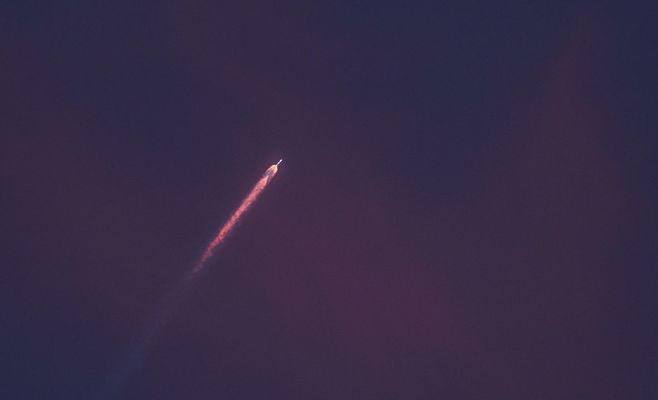
SpaceX caught its Starship upper stage with the giant mechanical arms of its launch tower on Saturday, after the vehicle returned from a full orbital flight. La Voce di New York reported that it was the first time a rocket's upper stage has been retrieved this way after orbiting. The catch brings the company closer to its goal of rapid, full reusability.
The day was not a clean sweep. The first-stage booster was lost in a controlled detonation over the Gulf of Mexico, and SpaceX did not manage a "double catch" of both stages.
The numbers behind the Starship catch
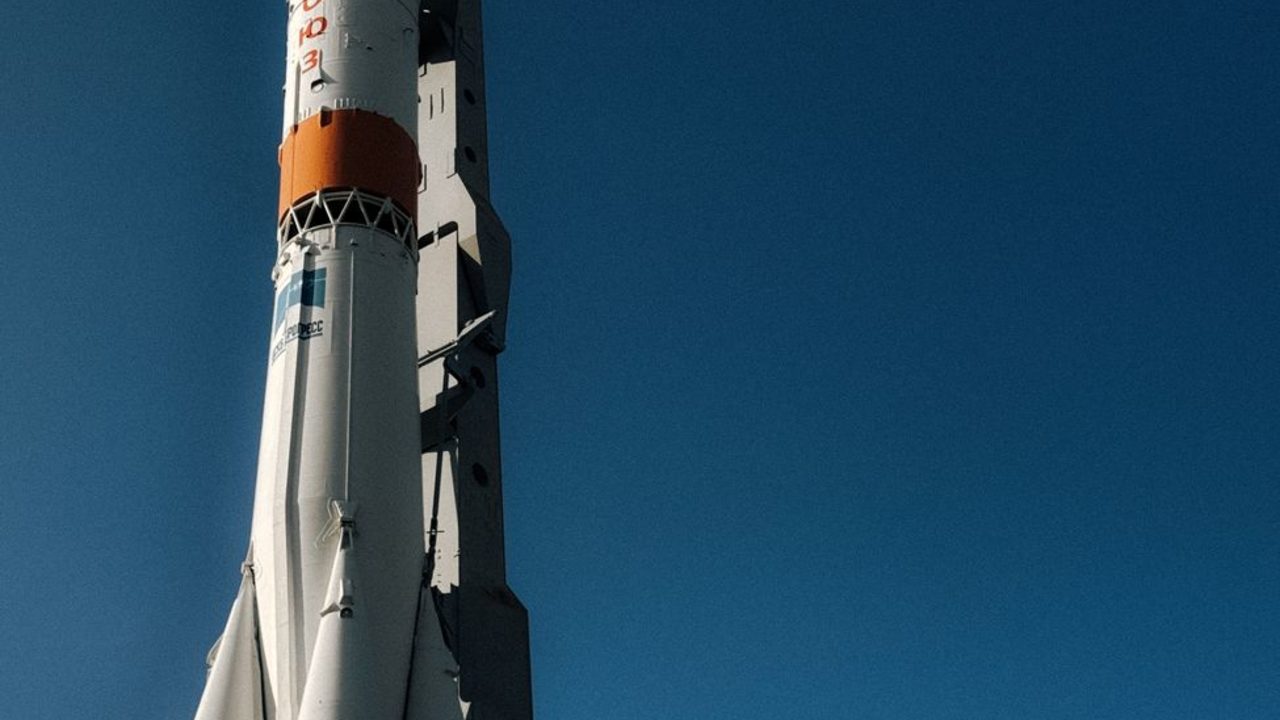
- 407 feet: the height of the stainless steel vehicle, which lifted off Friday afternoon from a launchpad on the Gulf Coast near the Mexican border.
- Twenty-two and a half hours: the time between launch and the moment the arms caught the spacecraft, according to La Voce di New York.
- Fourteen revolutions: how many times Starship circled the planet. The outlet said that is far more than in earlier tests.
- 165 miles: the altitude at which the vehicle held its orbit.
- Twenty-six: the number of next-generation Starlink satellites deployed. Three of them carry modified cameras to send back detailed views.
- Fifteenth flight: the count of Starship flights since 2023. It was the second to reach orbit.
What went wrong with the booster
According to La Voce di New York, SpaceX's Kate Tice explained that the booster's boostback burn ended early because of low propellant mass. During the coast phase that followed, the guidance, navigation and control system detected an anomaly. It sent the booster toward the Gulf of Mexico, where it destroyed itself. Buoys kept debris cordoned off in open water.
Company executives noted that they had already shown the first-stage catch on three previous test flights. The spacecraft itself kept going normally, the outlet reported. It withstood the heat of re-entry, fired its engines to slow down and was caught by the tower arms. SpaceX commentator Dan Huot celebrated live as cameras showed the ship hanging in the arms. Musk later climbed the tower to film it up close.
Why it matters for NASA's Moon plans
The result carries weight beyond SpaceX. La Voce di New York noted that NASA has invested billions of dollars in turning Starship into the lunar lander for its Artemis program. A vehicle that can fly a long orbital mission, deploy payloads and return to be caught intact is the kind of reliability that effort depends on. NASA Administrator Jared Isaacman posted on social media to express his satisfaction with the milestone, the outlet said.
For most readers, the immediate effect is limited. This was one flight, and one of its two main goals, saving the booster, was not met. The catch shows that the approach can work for the upper stage, which is the part that returns from orbit. It does not by itself show that routine, rapid reuse is within reach.
What comes next
La Voce di New York reported that SpaceX will begin launches from Florida's Kennedy Space Center in the coming months. That site will serve as the staging ground for Earth-orbit tests of Artemis III. In those tests, four astronauts are to practice docking with both Starship and Blue Origin's Blue Moon lander. A lunar touchdown is slated for no earlier than 2028.
Around Prague, based on reporting by La Voce di New York