Czech Culture Ministry admits: TV and radio licence fees won't be abolished by 2027 after all
USD 21,59
Popular
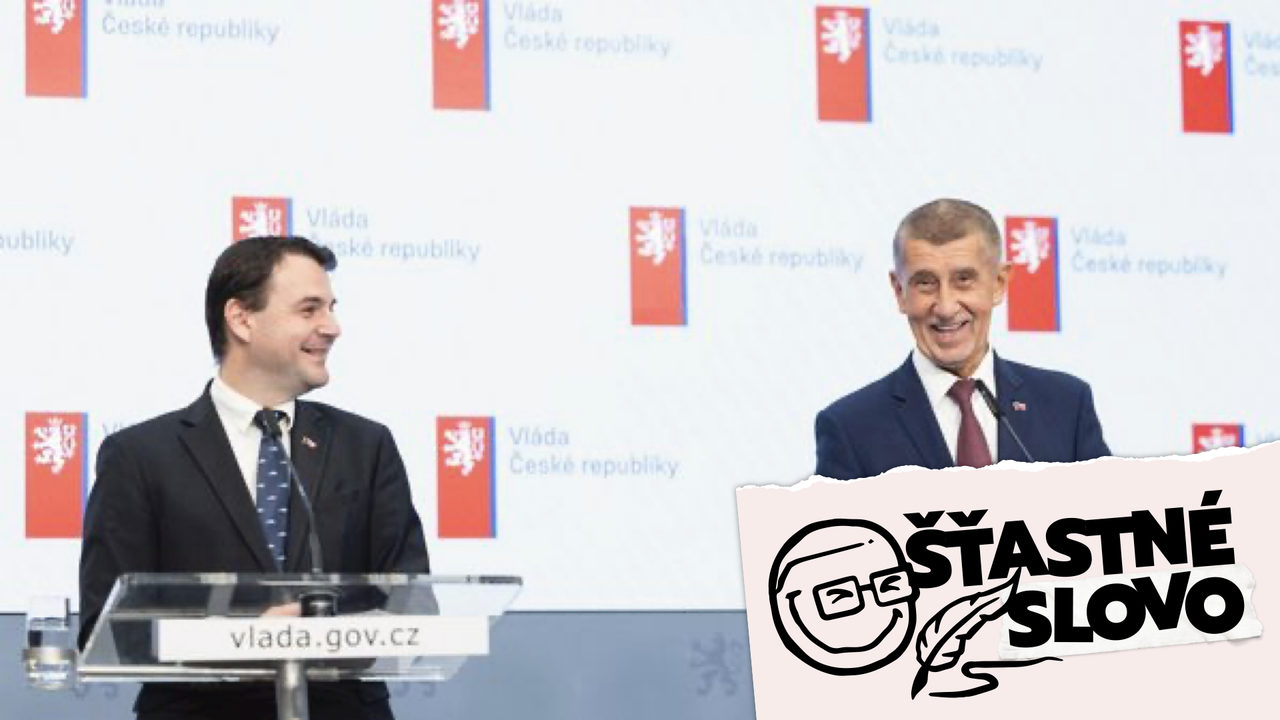
Czech Culture Minister Otto Klempíř has this week effectively admitted that the plan to fully abolish television and radio licence fees from 1 January 2027 will most likely not be met. The initiative is part of Andrej Babiš's government programme, which aims to overhaul the way public television and radio are funded in the country.
Back in spring, the minister had already tried to outline a reform scheme, which at the time sparked cautious hope that he might try to soften the blow to the independence of public media. It's now clear those hopes were misplaced — deadlines keep slipping, and there is still no clarity on how Czech Television and Czech Radio will be funded next year.
Financial uncertainty as a lever of pressure
Sending public television and radio into the new year without knowing how much funding they'll receive, or when, is essentially a form of pressure on newsrooms. As long as the media stick to a loyal, "state-friendly" agenda, the authorities retain room to negotiate over the size of the annual state subsidy. But if journalists keep asking awkward questions — about how the country is actually being run and what it costs taxpayers, for instance — the funding tap can simply be tightened, or the threat of doing so can be used as leverage.
Another tool of pressure is a bill put forward by MP Patrik Nacher (ANO) and his colleagues, which would exempt entire categories of the population from paying the fees on "social grounds" — for example, people over 75 and students. Estimates suggest this measure could cost broadcasters' budgets more than a billion crowns, with the changes set to take effect as early as the month after the law's final approval.
Promises versus reality
It was clear right after last year's elections that the ruling coalition had no intention of preserving public media in their current form — imperfect, perhaps, but widely regarded as the most credible and highest-quality media in the post-socialist countries of the region. The expectation was that their weakening would be a sad affair, but at least a swift and consistent one.
In practice, things have turned out differently: the new team's inability to see the reform through combines with ideological zeal and a desire to settle scores with inconvenient journalists. As a result, even where things could have gone relatively smoothly, the outcome is only more confusion and damage — while the ultimate goal, it seems, remains unchanged.
Source: seznamzpravy.cz