Trump and Putin agree Russian diesel deal for the US: details
USD 21,75
Popular
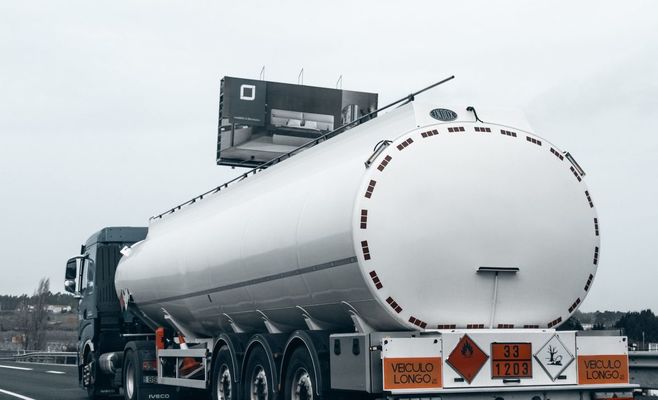
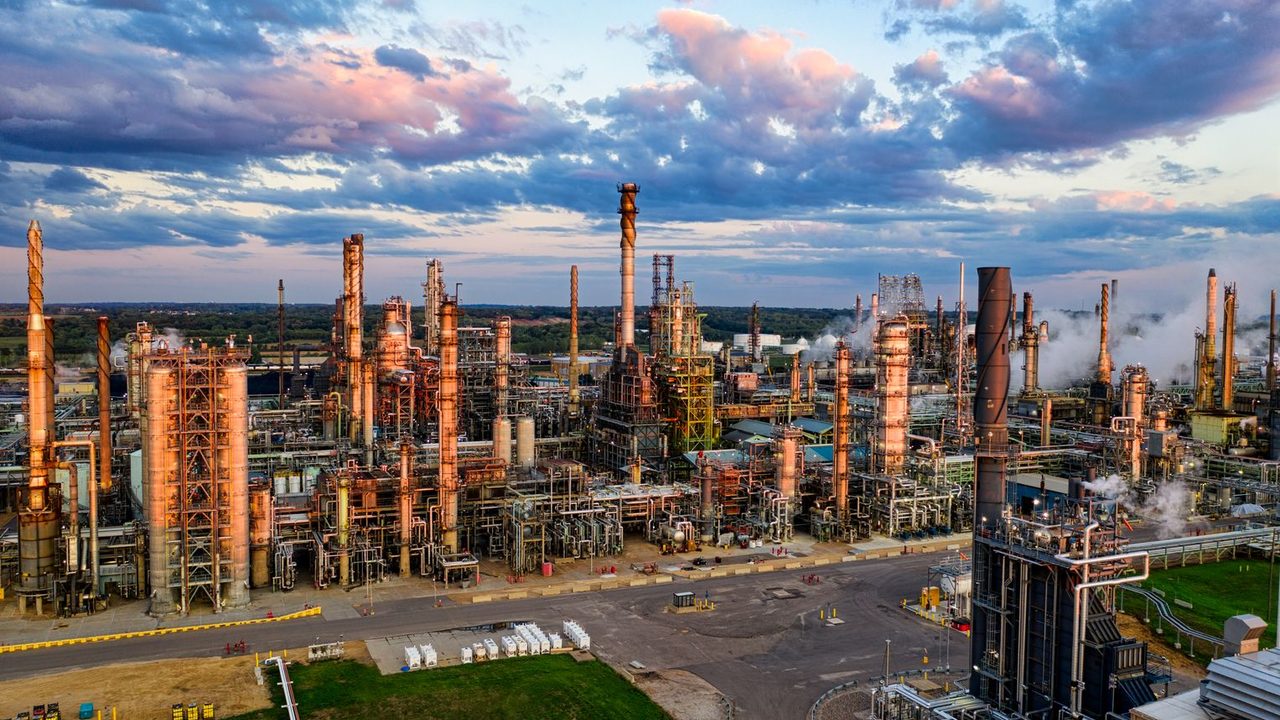
US President Donald Trump announced on Friday that he had agreed with Vladimir Putin on supplies of Russian diesel fuel: Russia will immediately send more than 300,000 tonnes to the American and global markets, with volumes rising afterwards. Trump called his phone call with the Russian leader “very successful”.
What we know about the deal
According to Trump, Russia will deliver another 500,000 tonnes in November, followed by another one million tonnes. “In addition, depending on the condition of the refineries, Russia will deliver three million tonnes of diesel in a short time,” the American president wrote, predicting a rapid fall in diesel prices in the US and worldwide.
Putin confirmed that Russia is ready to supply oil and oil products to the American and global markets, adding that this would benefit the world economy. Kirill Dmitriev, the Kremlin's representative for international trade cooperation, praised the two countries' cooperation in oil and energy and said the whole world would gain from it.
Against the backdrop of new sanctions
Because of the sanctions in force against Russia, the US Treasury has already issued a temporary licence for Russian diesel supplies, valid until 7 April next year, European news agencies report.
The unexpected announcement came shortly after Trump signed a law last month with sweeping sanctions meant to increase pressure on Russia and bring the end of the war in Ukraine closer. The law allows tariffs of up to 100 percent on the five biggest buyers of Russian oil or gas, including China and India. It also provides for sanctions against senior Russian officials, financial institutions and “shadow fleet” tankers that Moscow uses to get around Western restrictions.
Fuel prices ahead of the elections
Expensive petrol and diesel are a serious problem for Trump ahead of the November elections, in which the Republican Party will try to keep its majority in Congress. Lately he has blamed the price rises on Ukrainian strikes on Russian refineries, and denies that the war with Iran, unpopular among Americans and begun by the US and Israel in late February, is to blame. Kyiv says this is how it limits Moscow's ability to finance an aggressive war. Volodymyr Zelensky called an easing of sanctions without an agreement on de-escalation “a display of obvious weakness”.
Source: seznamzpravy.cz