What the UK Budget Means for Energy Bills, Savings, Pay and Pensions

USD 21,83
Popular
Households in England in council tax bands A to D will get a one-off £100 payment toward energy costs from January under the Budget presented by Chancellor John Healey, the BBC reported. Healey described the package as "breathing space" for families squeezed by rising prices, though some savers and landlords will face higher taxes from April.
The help arrives as prices are climbing faster than expected. According to the BBC, some forecasts suggest a typical annual energy bill could rise by about £400 to £2,100 in January, which means the £100 covers only part of the increase.
What this means for energy and fuel bills
The £100 "Household Energy Payment" will be paid straight into bank accounts and funded by an extra tax on banks. The BBC said recipients can spend it on anything. Scotland, Wales and Northern Ireland will receive equivalent funding and will decide for themselves whether to offer the same payment.
The cut in VAT on electricity bills, introduced in October, will now run until July instead of ending in April.
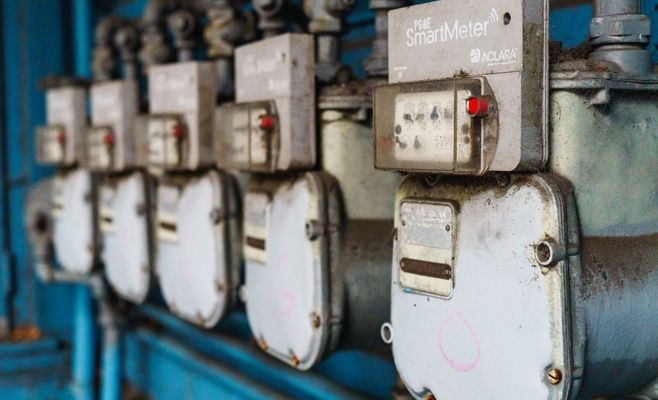
Daily standing charges for gas connections will be scrapped in England, Scotland and Wales next year, or as soon as possible afterward, the chancellor said. The cost will be moved into the price paid per unit of energy. The Treasury calculates that 60% of households will save an average of £45 a year, with lower users gaining the most. Higher users, including the largest homes and big low-income families, will pay more than they do now. The BBC noted that these savings will come after the expected January rise. The government wants to extend similar reforms to electricity standing charges later.
Drivers get a smaller reprieve. The 5p cut in fuel duty on petrol and diesel, brought in by Rishi Sunak in 2022, will last until July rather than being phased out from January. The duty stays at 52.95p per litre. The BBC said fuel prices have jumped because of the Iran war, with diesel recently topping £2 per litre. Since late February, filling a typical family car with diesel has cost about £30 more, and a tank of petrol about £23 more.
Savers and landlords face a mixed picture
The chancellor dropped his predecessor Rachel Reeves's plan to cut the amount people can hold in cash Individual Savings Accounts. Under that plan, from April 2027, savers under 65 would have been limited to £12,000 a year in cash Isas instead of £20,000. Reeves had wanted to steer people toward stocks and shares. The government instead plans a new "Starter Isa" for first-time investors.
Other savers will pay more. From April, tax rates on savings income rise by four percentage points, to 24% for basic-rate taxpayers and 44% for higher-rate taxpayers, the BBC reported. Tax-free allowances remain: £20,000 a year in Isas, plus a savings income allowance of £1,000 for basic-rate taxpayers and £500 for higher-rate taxpayers. People with large savings, or who do not use their Isa allowance, are most likely to feel the change.
Landlords could also pay more. In analysis published Wednesday, the Office for Budget Responsibility said these measures, together with steps over the past decade that cut private landlords' returns, "collectively risk leading to a steady rise in rents".
Pay and pensions: what rises in April
Minimum wage rates will rise by 3.9% in April:
- Workers aged 21 and over on the National Living Wage: £13.21 an hour, up from £12.71.
- Ages 18 to 20: £11.27 an hour, up from £10.85.
- Ages 16 and 17: £8.31 an hour, up from £8.
- The apprentice rate also moves to £8.31 an hour, from £8.
The BBC noted that the increases make no progress on Labour's manifesto pledge to narrow the pay gap between older and younger workers. It also said that any pay rise could push people into a higher tax bracket or mean more of their income is taxed. Scotland has its own income tax bands.
The state pension will also rise by 3.9% under the triple lock. The full new flat-rate pension goes to £250.70 a week, or £13,036.40 a year, up £488. The older basic pension rises to £192.10 a week, or £9,989.20 a year, up £374.40.
People whose only income is the state pension will not pay income tax until at least 2030, the chancellor said. A new Pension Tax Allowance will cover income up to the value of the full new state pension.
What it means for first-time buyers
Healey confirmed that a First Time Buyer Isa, long in planning, is meant to replace the often-criticized Lifetime Isa. The BBC reported that the penalty for withdrawing Lifetime Isa savings to buy a home above the £450,000 threshold will be scrapped.
Around Prague, based on reporting by BBC