Ex-Minister Fedorov Calls for Elections in Ukraine, Loses Protesters' Support
USD 21,68
Popular
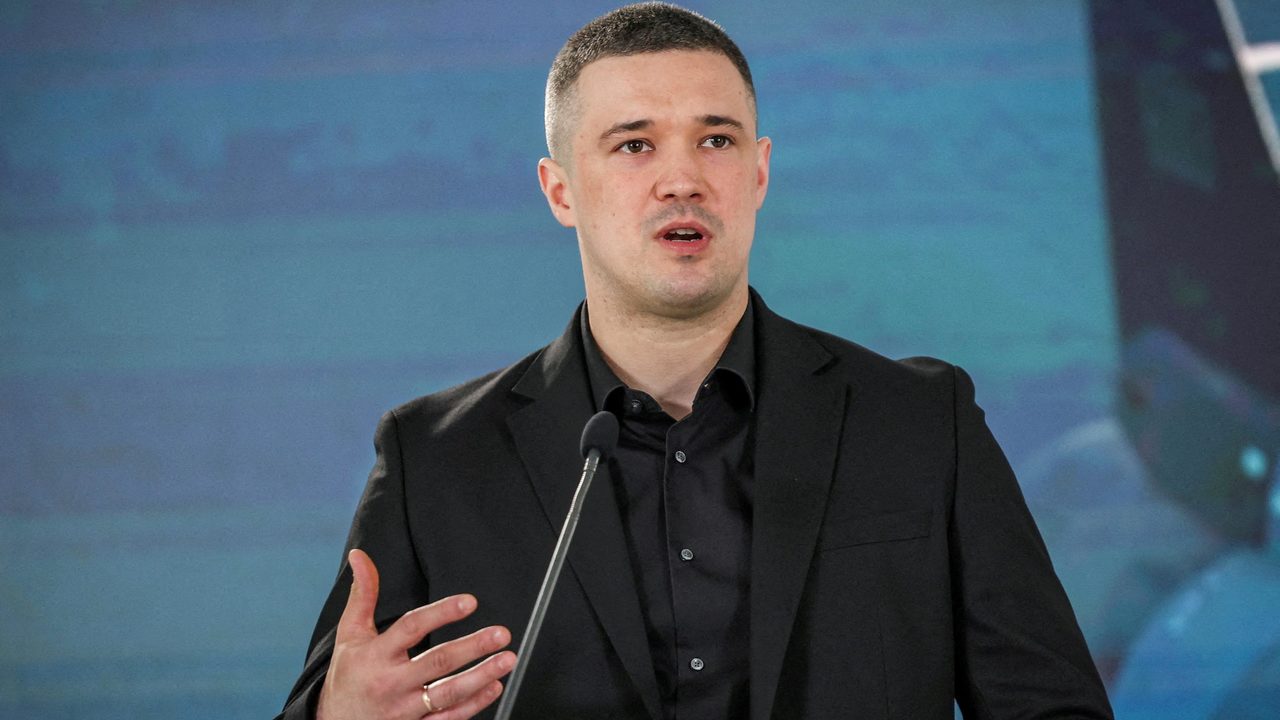
On Wednesday, Ukraine's parliament appointed a new overseer of digital transformation and defence innovation — former Security Service of Ukraine chief Yevhen Khmara — to take over the post vacated by the recently dismissed Mykhailo Fedorov. According to Reuters, the mass protest expected in Kyiv failed to materialise: only a few dozen people turned up, a far cry from the thousands who had taken to the streets after Fedorov's dismissal.
"When we went out to protest, we didn't do it thinking there should be elections. That's why we weren't here," said 22-year-old Iryna Vasylyakova, one of the few regular participants in the rallies who showed up this time as well.
Clash with the military command
The young ex-minister had built considerable popularity, largely thanks to his efforts to reform Ukraine's army recruitment system and his focus on developing drone warfare. But his innovative initiatives put him on a collision course with then-Commander-in-Chief of Ukraine's Armed Forces Oleksandr Syrskyi — a conflict that ultimately cost both men their jobs.
After Fedorov's dismissal, squares in major Ukrainian cities filled with thousands of demonstrators who argued that the reasons for the minister's removal had not been properly explained and that the decision could hurt the war effort against Russia. Syrskyi's own unpopularity gave the protesters an added reason to turn out.
A miscalculation on the eve of his successor's appointment
Fedorov has long been seen as one of President Volodymyr Zelensky's potential future rivals for leadership of the country. He apparently sought to capitalise on his popularity while the protest movement still had momentum. But according to analysts, his call for presidential elections — made just before his successor's appointment — backfired badly.
Opinion polls show that most Ukrainians do not want elections held during wartime. With Ukrainian cities under constant threat of strikes, parts of the country's territory under occupation, hundreds of thousands of men fighting at the front, and millions of people having fled the war abroad, organising a vote looks like a nearly impossible task.
According to Olena Prokopenko, a researcher at the German Marshall Fund, Fedorov, in trying to present himself as a "statesman and politician of a new generation," touched "Ukrainians' most sensitive nerve" with his statement.
In Prokopenko's view, this miscalculation could bury Fedorov's presidential ambitions before he ever gets a real chance to pursue them. Some Ukrainian lawmakers share that assessment. "This shows that Fedorov lacks a presidential instinct when it comes to the country," one Ukrainian opposition MP said on condition of anonymity.
Source: novinky.cz