Czechia to cut Ukrainian refugee benefits by 4 billion: who files it
USD 21,73
Popular
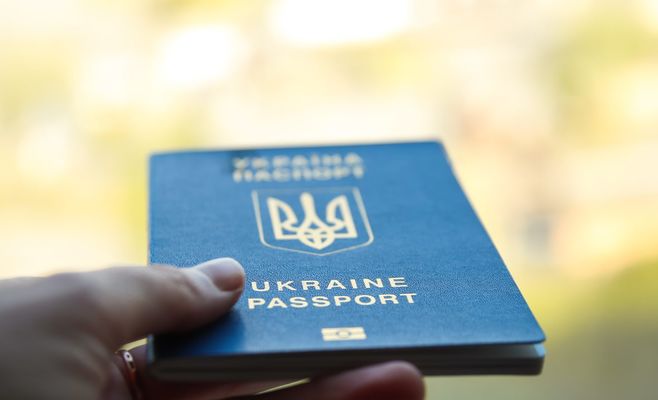
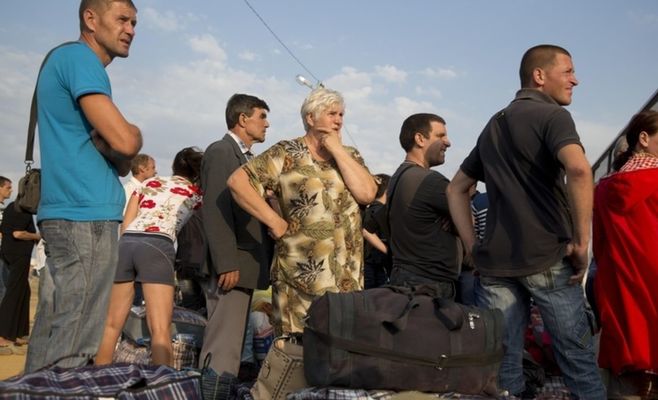
Czechia's ruling coalition has agreed to cut spending on benefits for Ukrainian refugees by four billion crowns, but who will put it into law and how is still in dispute. Chamber of Deputies Speaker Okamura said the amendment will be submitted no later than 2 December, the day of the final vote on the 2027 state budget.
Who is drafting the amendment
According to Okamura, the proposal to cut benefits for Ukrainians came from the SPD at the coalition council. “I proposed abolishing them entirely; for us this is a painful coalition compromise,” he said. In the end, the coalition agreed to reduce the amount spent on benefits for Ukrainians by four billion. The law, he said, is being prepared by the Ministry of Labour and Social Affairs.
Labour Minister Juchelka disagrees: the ministry is not preparing the law, and its role is only advisory. “The SPD will submit the amendment. They are to come up with a model of how they want it. We will of course check the draft to make sure it is legally sound,” he said. Representatives of the movement sent their ideas to the ministry, which commented on them, but the authors of the law are to be SPD representatives.
Under the agreement, the cut to benefits for refugees from Ukraine will be included in an amendment submitted in the Chamber of Deputies by SPD deputies alone. It will be signed neither by the Motorists nor by ANO. It remains an open question whether all coalition deputies will back the proposal.
“We must find a model that is fair to everyone who has temporary protection,” Juchelka said in mid-September, after representatives of the coalition parties ANO, the SPD and the Motorists agreed on the cut. Even then, he told journalists that part of the deal was for the SPD to prepare a deputies' bill changing the benefits.
What benefits refugees receive now
Refugees in Czechia receive a so-called humanitarian benefit. For the first 150 days, or five months, it is paid at the level of the subsistence minimum, 4,860 crowns. It is then reduced to the existence minimum if the person is not trying to support themselves and has no objective obstacles to working, that is, they are not a so-called vulnerable person, as the ministry's website also explains.
It is unclear how exactly the amount of the benefits is supposed to change. Okamura and the SPD have long been the loudest critics of Ukrainian refugees in Czechia; Okamura has repeatedly said he wants to end the temporary protection under which refugees live and work legally in the country. For that he would need the consent of other EU member states, and businesses in Czechia, moreover, value how Ukrainians have joined the Czech economy.
Juchelka also noted this recently: “There is no doubt that Ukrainians have established themselves on the Czech labour market and their employment is growing. That is positive both for their integration and for the Czech labour market, which needs foreign workers.” At the same time, he criticised the way the previous government calculated the benefit of refugees: according to the current labour minister, those were estimates and figures that did not correspond to reality.
Read also: Work in Prague and Czechia
Source: novinky.cz