Czech work visas for Ukrainian farm workers extended to 2028
USD 21,69
Popular
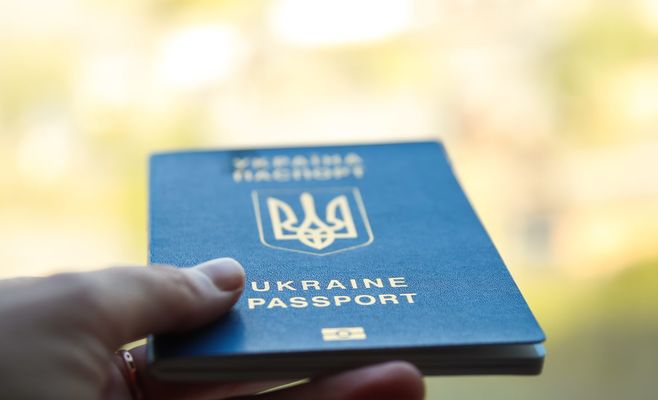
On Monday the Czech government approved extending the so-called emergency work visas until 31 December 2028. The programme has run since 2019 and was due to expire this year; the proposal came from the Ministry of Agriculture, which is headed by an SPD nominee, as the ministry itself confirmed.
How many workers can be brought in
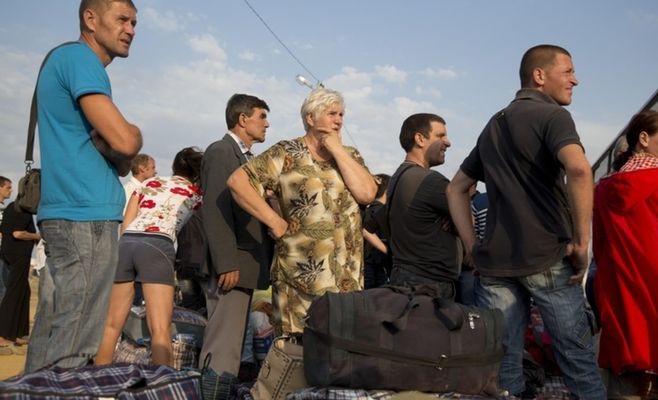
As before, the programme allows visas for up to 1,500 workers from Ukraine each year, and for a total of 1,000 workers from Georgia, Bosnia and Herzegovina, Moldova and North Macedonia. The ministry justifies the extension by saying Ukraine remains the key source country of labour migration for agriculture, food processing and forestry.
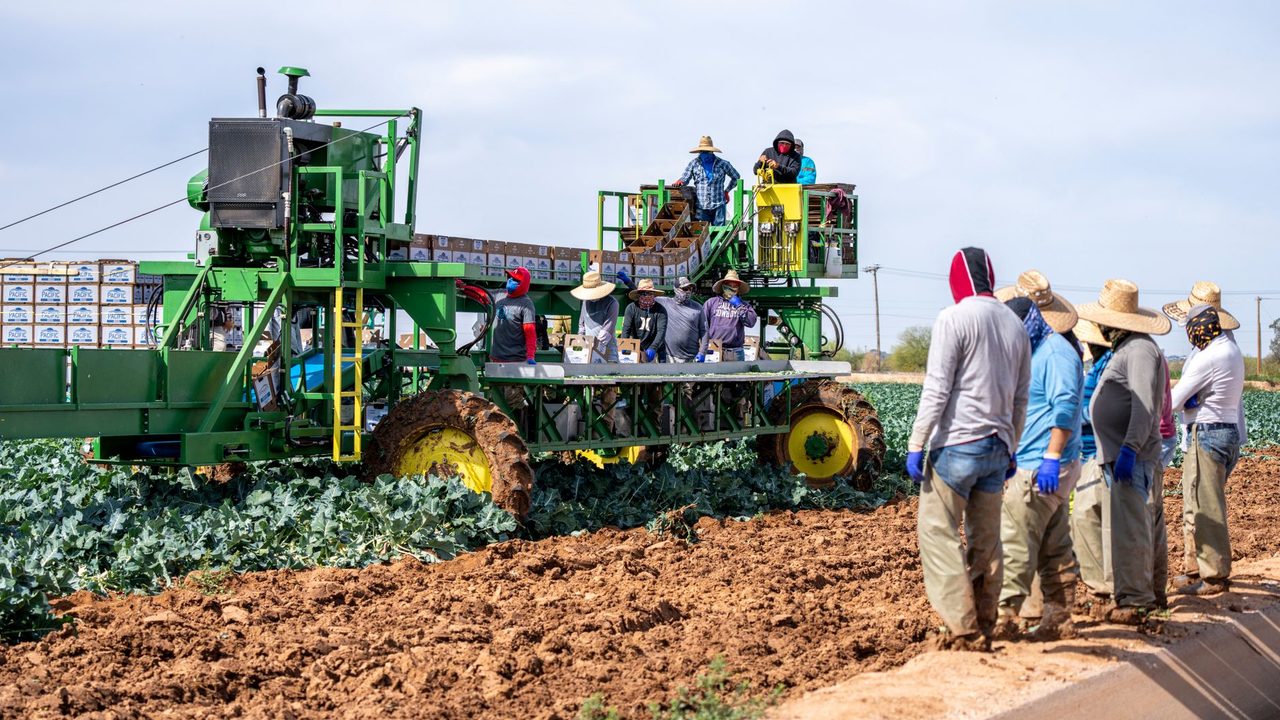
A figure of 2,500 people may sound small, but for the sector it is significant. “The whole sector is small: about 90,000 people work in agriculture, and the labour shortage stands at roughly five thousand. So two thousand is a huge number, and these are exactly the people we are missing,” says Michal Procházka of the Agrarian Chamber of the Czech Republic. According to him, this is mostly about livestock farming: “Animals will not wait; they have to be looked after 365 days a year.” Such jobs are less attractive, and some of the work could be handed over to machines, but farms’ profitability does not always allow them to buy the equipment.
The Ministry of Agriculture stresses that the main goal is to keep the visas in force for the future as well, including in case the war ends and ordinary labour migration programmes return. Further changes will depend on how the government approaches labour migration as a whole. At present Ukrainians with temporary protection predominate in the sector: according to March data from the Ministry of Labour and Social Affairs, there are 3,197 of them.
What the SPD says
The SPD has repeatedly demanded a tougher policy toward Ukrainians in Czechia and has spoken of scrapping benefits for refugees and temporary protection. On Sunday evening Tomio Okamura said he disagreed with the growing number of workers from “exotic countries” and with long-term stays for Ukrainians with temporary protection, and the SPD ministers voted against them. At the same time, in June on CNN Prima News he approved of targeted hiring: for specific positions a Czech cannot fill, for a limited time and with the labour market taken into account.
Some awkwardness is visible in the documents accompanying the draft resolution: a ministry headed by an SPD nominee is proposing to extend visas primarily for Ukrainians. On 11 September 2026 the draft was discussed in a coordination body at the Ministry of the Interior, and none of its members raised objections. The explanatory memorandum calls the visa a “specific and targeted instrument of controlled labour migration” that helps Ukrainians earn money for families who stayed at home.
Limits of the programme
Denisa Divišová, a foreign-hiring specialist at Hofmann Personal, points out that the instrument has its limits: the visa is issued for one year at most and cannot be extended. In practice it suits mainly employers who do not qualify under the standard economic migration programmes, for example for auxiliary positions in agriculture.
Read also: Work in Prague and Czechia
Source: seznamzpravy.cz