Long-term residence permits for 22,000 Ukrainians in Czechia
USD 21,59
Popular
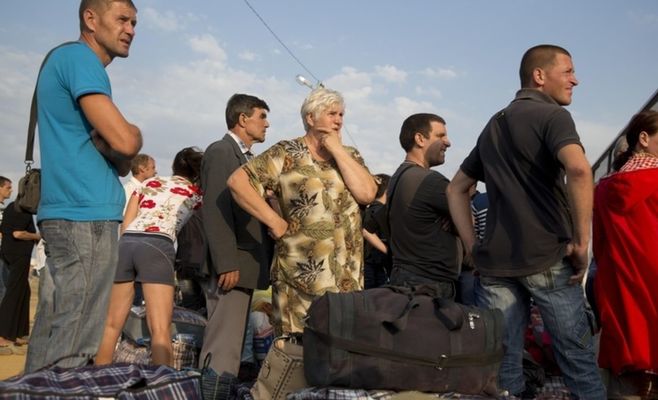
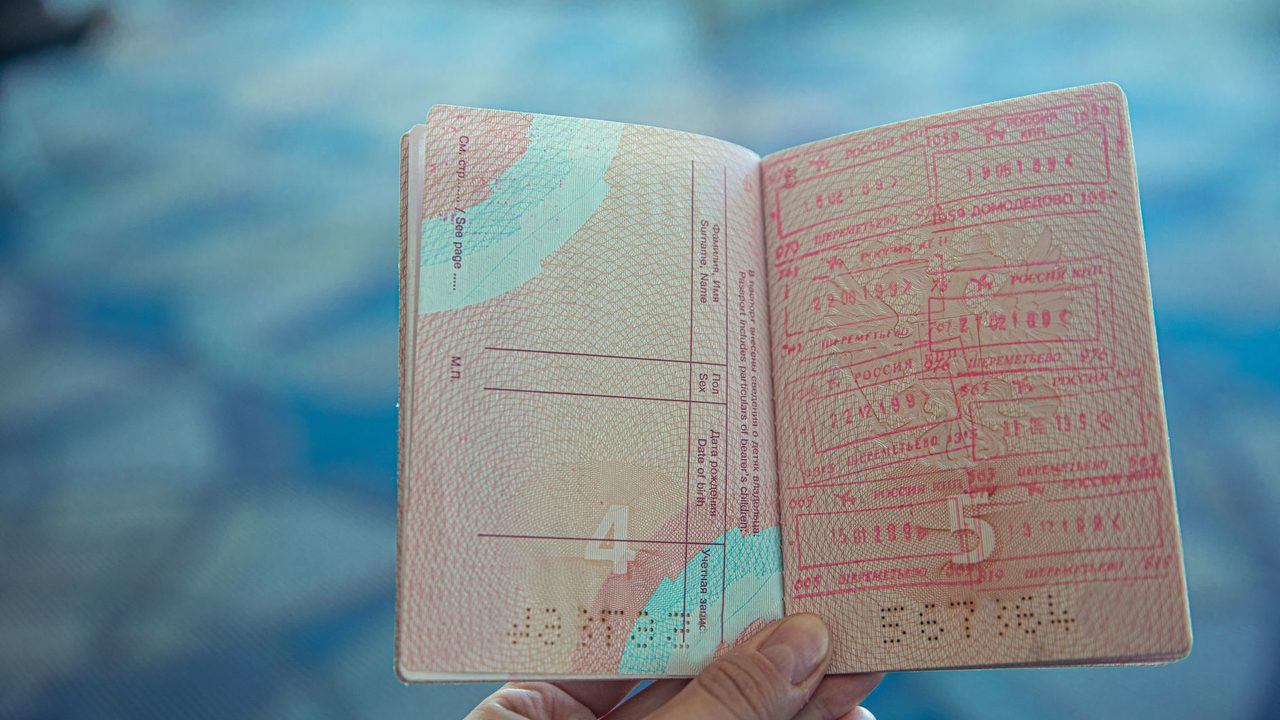
A further 22,000 Ukrainian refugees in Czechia received the special long-term residence permit in 2025 — it guarantees at least five years of legal stay in the country and the right to apply for permanent residence. According to the Interior Ministry, around 57,000 people from more than 33,000 families have applied for this status since the start of the year.
Strict conditions for long-term status
The special long-term residence permit was introduced by Petr Fiala’s government (ODS) back in 2025, specifically for Ukrainians with temporary protection. Refugees who have lived in Czechia for at least two years can apply. The main condition is annual income: applicants must earn at least 440,000 crowns a year, with the threshold rising by 110,000 crowns for each additional family member. Debt-free health insurance, giving up the humanitarian allowance, and enrolling children in a Czech school are also required.
How families are coping with the requirements
“By the end of April, around 57,000 Ukrainian refugees from more than 33,000 families had expressed interest in this status,” said Interior Ministry spokeswoman Adéla Ditmannová, noting that applications were assessed by family as a whole.
18% of families failed to meet the basic conditions — length of residence, insurance, and giving up benefits — compared with 35% a year earlier. Another 44% of households fell short of the required income level. In the end, 38% of families met all the conditions — almost twice as many as a year earlier, when only 19% did. Last year, 82,000 people applied, but only 16,000 of them met all the conditions.
More than a quarter of successful applicants live in Prague, with another 15% in the Central Bohemian Region and 10% in the Plzeň Region. About 81% of those granted the status are working-age adults, while 18% are children.
What’s next for temporary protection
Most Ukrainian refugees remain in Czechia under so-called temporary protection, introduced by the European Union in the winter of 2022 after Russia’s invasion of Ukraine. The status is renewed every year; it is currently extended until March 2027, and what happens after that — for instance, if a truce or peace is reached in Ukraine — remains unclear. At the end of June, 390,812 people with temporary protection were living in Czechia.
The European Union recently tightened the rules for obtaining temporary protection: men of conscription age who cannot prove they have fulfilled their military obligations to Ukraine can no longer receive it. An even stricter restriction, already introduced by Denmark, was also discussed: Denmark has designated 14 regions in western and central Ukraine that it considers relatively safe, and does not grant temporary protection to refugees from there. Czechia cannot introduce such a measure on its own — it would require the agreement of the other EU member states.
Tomio Okamura, leader of the ruling SPD party, has repeatedly proposed scrapping temporary protection altogether. “If it were up to me, I would end temporary protection immediately. There are too many of them here, and citizens are complaining,” he said in mid-June. During budget discussions, he also proposed cutting all benefits for Ukrainians as a cost-saving measure. Labour and Social Affairs Minister Aleš Juchelka (ANO), by contrast, takes a positive view of Ukrainians’ arrival: “Ukrainians have established themselves in the Czech labour market, and their employment rate is growing. That’s good both for their integration and for the Czech labour market, which needs foreign workers,” he said in an August interview.
What this means for foreigners
This concerns Ukrainian refugees with temporary protection who have lived in Czechia for at least two years. The long-term residence permit requires an annual income of at least 440,000 crowns (plus 110,000 for each additional family member), debt-free insurance, giving up the humanitarian allowance, and school enrollment for children. Temporary protection in Czechia has been extended until March 2027.
Read also: Jobs in Prague and Czechia
Source: novinky.cz