A quarter of Prague’s residents are foreigners, IPR analysis finds
USD 21,86
Popular
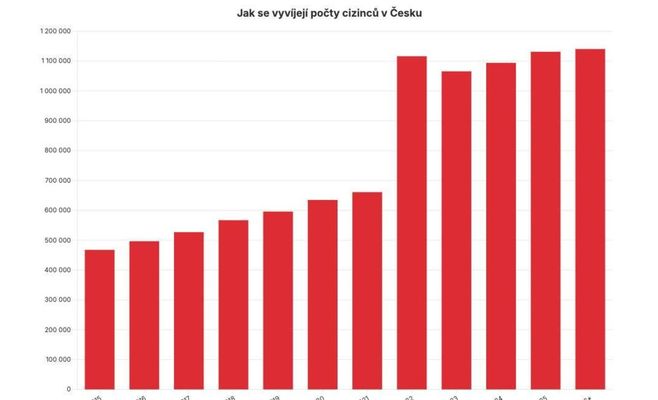
One in four Prague residents is a foreigner, and their number grew from 61,000 to 354,000 between 2001 and 2024. By 2050 the number of residents without Czech citizenship could exceed 600,000, according to an analysis by the Prague Institute of Planning and Development (IPR). “Prague is turning into an international metropolis. It is growing thanks to people from abroad and will depend on them more and more,” the document concludes.
Who is coming to Prague
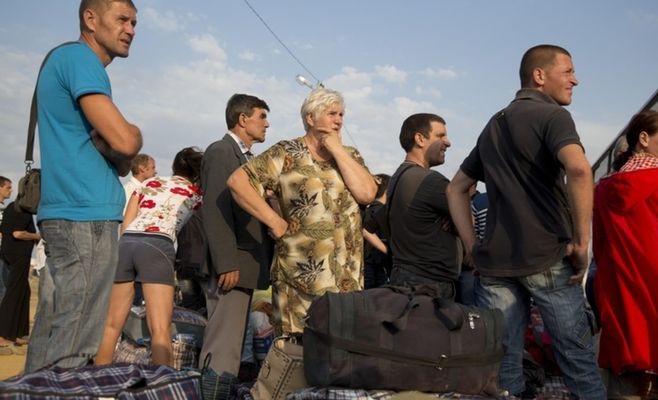
The sharpest jump came in 2022, when many people arrived in Czechia because of Russian aggression and the number of Ukrainian citizens in the capital rose to 168,000. By the end of 2024 they made up almost 50% of all foreigners in the city. The second-largest group is people from Slovakia (9%), Russians account for 7% and Vietnamese for 4.5%.
“International residents are an important part of Prague’s economy. They work both in highly skilled professions and in sectors without which the city’s daily life would be difficult — construction, retail, services, hospitality and administration,” said Petr Hlaváček (STAN), deputy to the outgoing mayor and leader of the winning group in the Prague city hall election.
Is Prague at risk of ghettos?
According to IPR, despite the growth in numbers, Prague is not directly threatened by “ghettos” or by the uncontrolled spread of negative phenomena linked to minorities’ inability to integrate into the majority society. That is why it is important, among other things, to teach newcomers Czech so they can build social ties with Czech people and culture more easily.
The degree to which communities are separated from Czech society differs between nationalities. Segregation is relatively higher among foreigners from Vietnam and Russia, and lower among citizens of Slovakia and Ukraine. This is often because the first groups have a different residence status and community background, while others are more motivated to “put down roots”.
“Most international residents live dispersed across the city and are gradually becoming part of everyday life in Prague. Although they are more concentrated in some places than in others, the overall level of residential segregation remains low,” the analysis says. It is important for the city to spot emerging barriers in time and to support affordable housing, services and opportunities to meet, which allow all residents to take full part in city life.
A city for all its residents
In the long term, the authors argue, international migration should not be seen merely as a source of young labour. “Today’s newcomers will gradually grow old in Prague. The future question is not whether Prague will be an international city — it already is. The key challenge is to manage this change well, that is, to plan housing, schools, services and infrastructure so that the city remains functional and cohesive for all its residents,” added IPR director Ondřej Boháč.
According to IPR, foreigners also make Prague younger and strengthen its working-age population: their average age is about 35.5 years, while the capital’s population as a whole averages almost 42.
Around Prague guide on this topic: Czech citizenship: requirements, B1 exams and realities, cost
Around Prague, based on reporting by novinky.cz