Expert warns: AI will hit IT specialists first, then office professions
USD 21,65
Popular
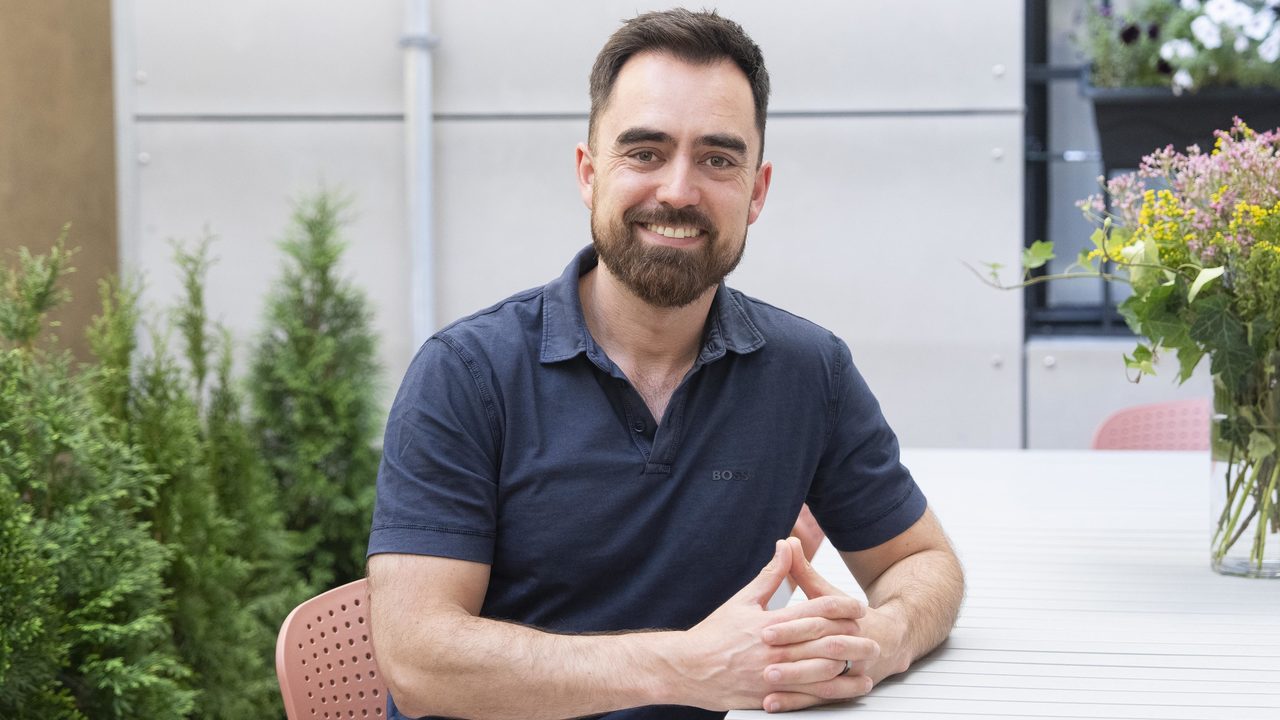
Artificial intelligence is already reshaping the labour market, and the first to feel its impact are the very people who build it — IT specialists. That's according to Jan Kavalírek, former Czech government commissioner for artificial intelligence and now head of the AI Gigafactory project — a super-powerful data centre for developing and running large AI models at České radiokomunikace.
According to him, the wave of change will next spread to administrative roles, customer service and the financial sector. Professions where the human factor matters most will remain more resistant to automation — doctors, teachers and manual trades. Kavalírek believes AI's integration into robotics will come later, with software solutions flooding the market first.
Demand for AI is surging
Kavalírek bases his conclusions on the experience of České radiokomunikace, which operates powerful servers for artificial intelligence. He says the company is seeing enormous demand for AI deployment first-hand, from both Western European and Czech businesses.
"We're only at the beginning of this journey. I think we don't yet fully grasp how strongly AI will affect the labour market, and we're certainly not ready for it. I don't want to sound alarmist, but the consequences will be serious," the expert said.
Fewer openings for newcomers
According to Kavalírek, the changes in programming go beyond simple staff cuts — hiring practices themselves are shifting. Companies now need fewer junior specialists, since new AI models can handle simple tasks on their own. IT will be one of the first industries where the number of entry-level positions shrinks, and in his view, technological development is happening at an almost exponential pace.
He noted that leaders of major American AI companies already acknowledge they are mainly hiring experienced programmers who taught themselves the basics of the profession. Refusing to use AI, the expert believes, would be the worst possible move — there's no way to halt the technology's advance anyway. In Kavalírek's view, people and states are left with just two options: ignore the AI wave and become uncompetitive, or learn to work with it so well that they can't be replaced.
Schools shouldn't ban AI
He believes the education system should take a similar approach — an outright ban on artificial intelligence, in his view, would be the wrong move. He specifically criticised the idea of banning AI use by children under 15, calling it out of step with today's reality.
Kids will use the technology outside school regardless, so pretending it doesn't exist in the classroom is short-sighted, Kavalírek argues. The school's job, he says, is to teach children to use artificial intelligence thoughtfully and critically — not to ignore its existence.
Source: novinky.cz