German Museum Staff Still Receiving Threats Over Timmy the Whale Saga
USD 21,74
Popular
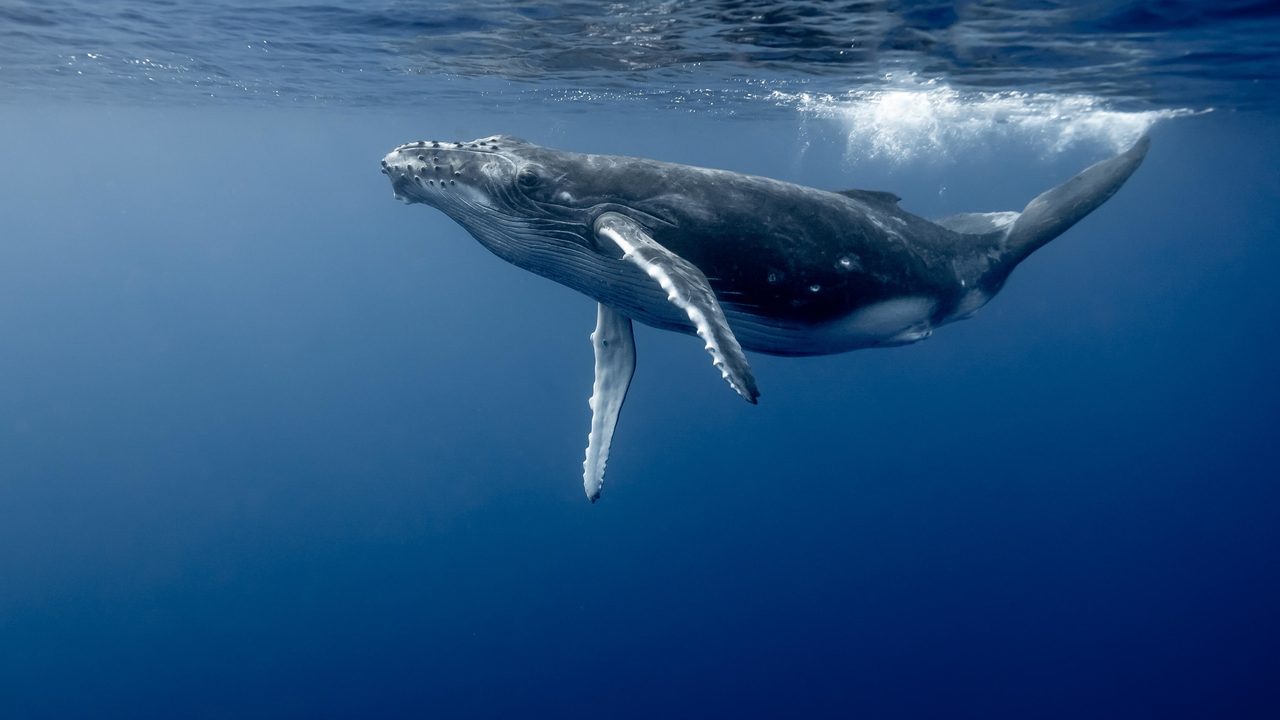
Staff at a German maritime museum in Stralsund, along with the institution itself, are still receiving threats linked to the case of a humpback whale named Timmy, which repeatedly ran aground in the Baltic this spring and ultimately died shortly after being freed. According to the news agency DPA, museum employees have even had to ask local authorities to keep their personal contact details confidential.
A wave of online hatred hit the museum after local experts recommended not intervening to save the whale, suggesting it be left to die naturally instead. "Since mid-March, we've been dealing with a real flood of negativity," a museum spokesperson said.
How the harassment began
According to the spokesperson, the threats and accusations began after a well-known blogger started publicly commenting on the whale rescue effort, questioning the competence of the experts and non-governmental organizations involved. "We started getting hateful comments, attacks, and threats on social media, by email, and over the phone — and it hasn't stopped since," she said.
She added that people threatened to burn down the museum and wished its staff would "go to hell." "I will publicly tear you apart, and that's not a threat — it's a promise," the spokesperson quoted as a typical example of the messages received. Staff were also accused of secretly wanting the whale to die so the museum could add its skeleton to its collection, or sell the remains for millions of euros.
Museum hides staff information
Employees whose names appeared in the press in connection with the whale story asked city authorities to restrict public and corporate access to their home addresses and other personal information. "We were all afraid we'd be recognized on the street and harassed. We temporarily removed the team information page from the museum's website," the spokesperson added.
The fate of Timmy the whale
The whale, nicknamed Timmy, was first spotted off Germany's Baltic coast in early March. It later ran aground several times, and the ensuing rescue attempts drew massive public attention. After several failed efforts, authorities — acting on experts' advice — decided to abandon the official rescue operation, though they did not stand in the way of a private initiative funded by two German millionaires.
Volunteers managed to free the whale and transported it aboard a partially flooded vessel to the Skagerrak Strait, where it was released back into the sea in early May. The operation, closely followed by German media and much of the public, was marked by infighting among the rescue team and apparent missteps. Marine biologists had criticized the rescue effort from the start, warning that the whale was unlikely to survive — and indeed, in mid-May its body washed ashore on the Danish island of Anholt. The cause of death could not be determined. It later also emerged that the whale had originally been misidentified as male, which is why it was given a male name.
Source: seznamzpravy.cz