Lány Game Reserve: at President Pavel's request, Czechs are occasionally let into the president's private forest
USD 21,81
Popular
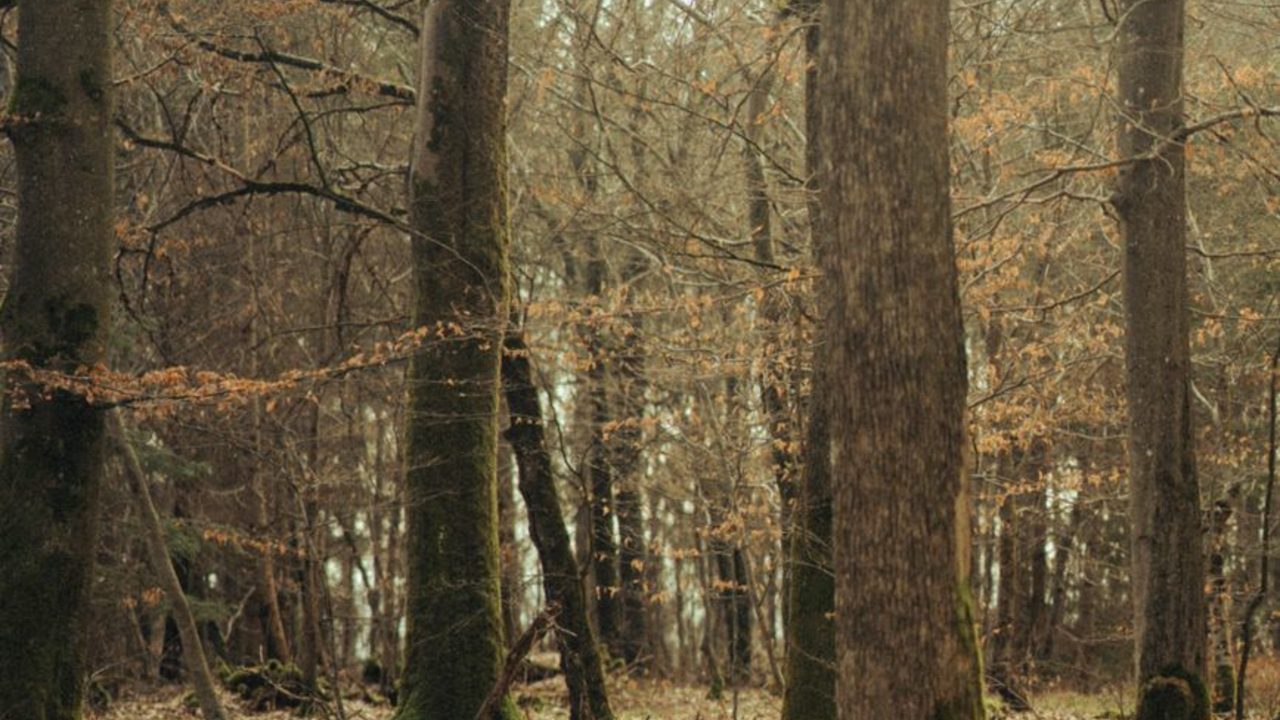
The Lány Game Reserve (Lánská obora) is a fenced-in forest next to the Czech president's summer residence and the third-largest enclosed woodland in the country, covering 3,003 hectares and surrounded by 33 kilometres of fencing. As Michal Pernica, director of the Lány Forestry Administration, told the news outlet Novinky, the reserve is normally off-limits to the public — but at President Petr Pavel's request, it is opened several times a year for guided tours.
Beech is the dominant tree species here, followed by oak and pine. Spruce stands, however, have suffered heavily from bark beetle infestations in recent years.
Too much wildlife
The director admitted he was struck by how overpopulated the reserve had become with game. "The state of the herd was simply extraordinary. According to our counts and estimates, there were around 3,500 animals in the reserve in 2024," Pernica said.
Part of the territory, however, is inaccessible to the animals: roughly a thousand hectares are taken up by regeneration zones and fenced nurseries protecting young plantings. That left the rest of the reserve to absorb the bulk of the population. The forestry administration has begun gradually reducing the numbers, although the process is moving more slowly than hoped.
A guided minibus tour
There is no free access to the reserve — visitors can only enter as part of the "Open Gates of the Lány Game Reserve" project. Guided tours run seven times a year, from spring to autumn, with visitors driven around the grounds by minibus.
According to Pernica, throwing the gates open to everyone would harm both the reserve's ecology and the estate's day-to-day management, so access remains limited — in keeping with the president's wish to make the reserve at least a little more accessible to the public.
Masaryk's Stone and the Oak of Legend
The tour is not just about forest and wildlife — it's also a journey through the history of Lány. One of the first stops is Masaryk's Stone, a spot the first Czechoslovak president, Tomáš Garrigue Masaryk, was known to favour. The stone itself has had an unusual history: it was once targeted for destruction, then hidden away, and only rediscovered years later.
Another landmark is the so-called "Oak of Agreement," beneath which a military pact between Czechoslovakia, Romania and Yugoslavia — an important political and military alliance of its time — was signed between 1921 and 1939.
Zajíc's Oak also draws particular attention. According to local legend, in 1310 the knight Vilém Zajíc of Valdek supposedly caught a gang that had been plundering nearby villages here and hanged thirteen of the most brutal robbers from the tree — hence its name. Pernica himself concedes, though, that the oak's actual age doesn't fit the story: for it to have been used for a hanging in 1310, the tree would need to be a thousand years old, which is simply impossible. Even so, the legend remains part of the site's lore.
Read also: The top landmarks of Czechia
Source: novinky.cz