Locals destroy migrant tent camp in Spanish enclave of Ceuta

USD 21,81
Popular
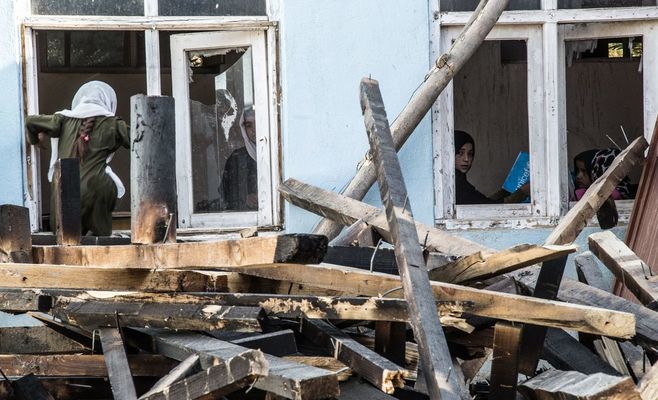
The Spanish enclave of Ceuta has seen its most serious bout of migrant-related unrest in months, after local residents tore down a tent camp where people who had arrived from Morocco had been sleeping. According to the BBC, the participants later clashed with police and, according to some reports, threatened journalists and camera operators who were on the scene.
A mass crossing of migrants from Morocco to Ceuta took place in late July, when at least 72,000 people made their way to the Spanish shore; around a hundred died attempting to reach Spanish territory. The vast majority returned to Morocco within hours, but several thousand migrants remain in Ceuta to this day. Most of them sleep rough on the city's beaches and streets, including a significant number of minors.
From protests to violence
Anti-migrant demonstrations began shortly after the migrants' arrival in Ceuta and had, until recently, remained largely peaceful. Thursday's attack on the tent camp marked the most severe incident since late July. At the same time, violent incidents involving migrants themselves are also on the rise: just hours before the camp was destroyed, 12 migrants were detained on suspicion of pelting a military vehicle with stones, smashing its windows and injuring four soldiers inside.
Local residents say they no longer feel safe on the streets of their own city and fear that municipal services are being overwhelmed. Against this backdrop, self-styled "vigilante" groups have emerged in Ceuta, patrolling the streets and confronting migrants.
Clash with the central government
"This city, which is under pressure… has the right to be normal. Here in Ceuta, Spanish dignity itself is at stake," said the enclave's conservative mayor, Juan Jesús Vivas.
In recent weeks, the mayor has been at odds with the government of Socialist Prime Minister Pedro Sánchez, which accuses Vivas's party and the far-right Vox of stoking tensions. At the same time, Sánchez's cabinet has itself faced criticism for reacting too slowly to the crisis.
The current surge in discontent appears to stem from the authorities' plan to relocate migrants into existing public buildings, including sports centres, in order to speed up the processing of their legal status — a process that will see those without a right to asylum returned to Morocco. Local residents, including Mayor Vivas, oppose the initiative, fearing it will only bring migrants closer to the enclave's residential areas.
Read also: 8 best swimming spots near Prague: lakes, quarries and beaches an hour from the capital
Source: novinky.cz