Madrid Rocked by Protests Over Ceuta Migration Crisis: Tens of Thousands Take to the Streets
USD 21,79
Popular
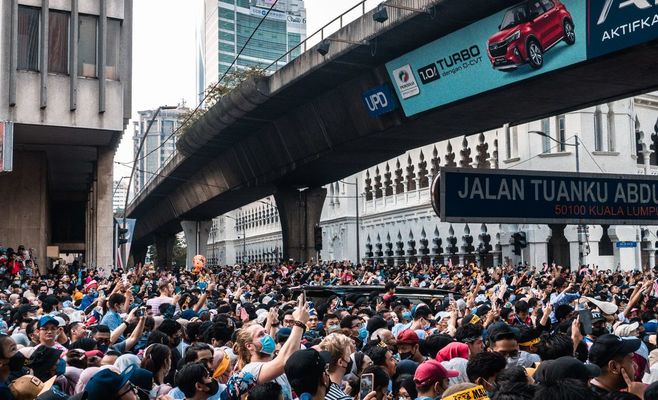
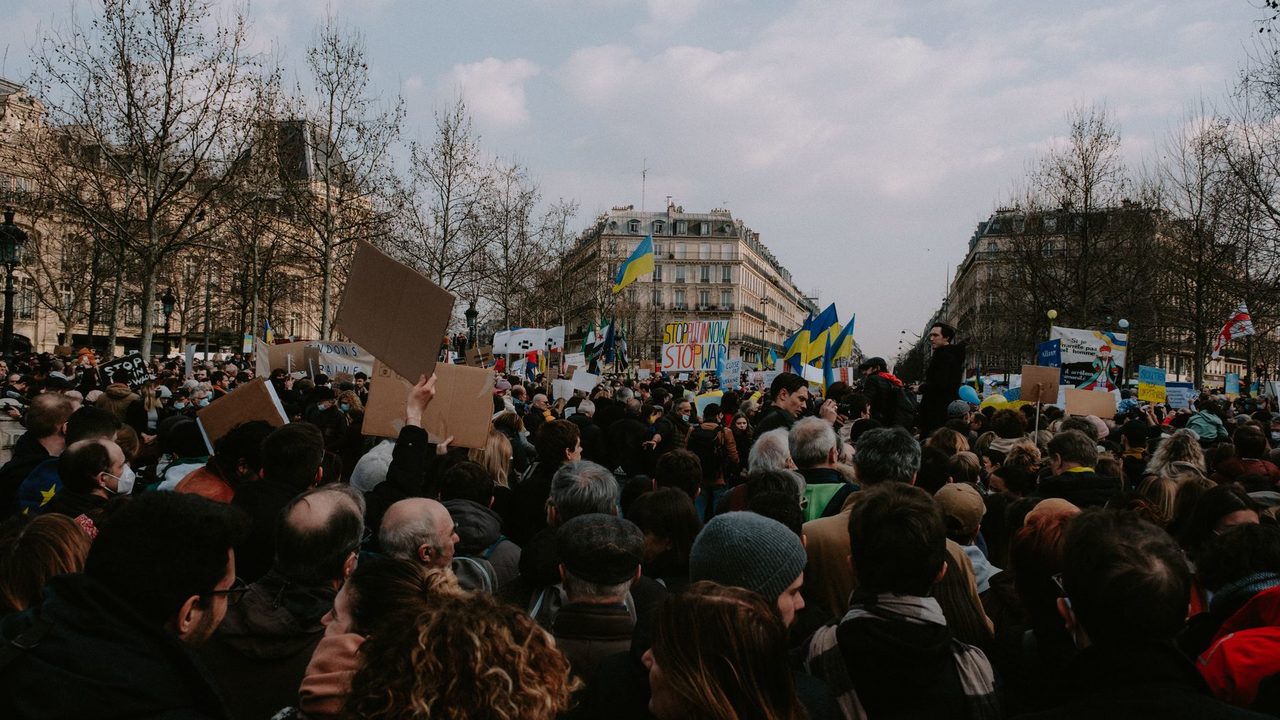
Around 50,000 people took to the streets of Madrid to protest against the way Prime Minister Pedro Sánchez's government is handling the migration crisis in the Ceuta enclave, where roughly eight thousand migrants remain, refusing to leave the territory. What began as a peaceful demonstration escalated into clashes with police, with some participants throwing street barriers and attempting to block police vehicles.
Protesters demanded Sánchez's resignation. The leader of the conservative People's Party, Alberto Núñez Feijóo, sharply criticized the prime minister right at the rally: "A city in Spain has been attacked and occupied, and this happened with the full knowledge of the Spanish government." Vox party leader Santiago Abascal echoed similar sentiments, claiming Sánchez "acts as a servant of the Moroccan regime."
Ceuta Residents' Anger
Demonstrations also took place directly in Ceuta, where people chanted: "Ceuta is not for sale, Ceuta must be defended." According to the BBC, local residents are outraged by the authorities' actions. 45-year-old teacher David Hernández said the government's response was "insufficient, too late," and that the authorities had "completely neglected their duties." "We cannot be second-class citizens, and our border cannot be ignored," he added.
Hundreds of local residents protest almost daily against the presence of thousands of migrants — some have gone so far as to set fire to migrants' makeshift shelters on the beach. Residents also complain about cases of sexual harassment and overcrowded medical facilities.
Morocco's Role Called Into Question
Pressure on Sánchez's cabinet intensified after Spanish media published a report from the National Center for Immigration and Borders suggesting possible involvement of Moroccan gendarmes in the incident where migrants stormed the enclave. According to the police report, there were "noticeably fewer than usual" Moroccan police officers at the border at the time, and migrants themselves spoke of a "passive stance by police" as they crossed.
The Spanish government has so far denied any Moroccan involvement in the events of July 30, when up to 80,000 people illegally crossed the border, attributing the mass influx to disinformation on social media and the activities of smuggling gangs. Morocco has long laid claim to Ceuta and the neighboring autonomous city of Melilla, a persistent source of tension between the two countries.
Read also: 8 best swimming spots near Prague: lakes, quarries and beaches an hour from the capital
Source: novinky.cz