Czech wind turbine referendums: 20 of 21 municipalities said no
USD 21,73
Popular
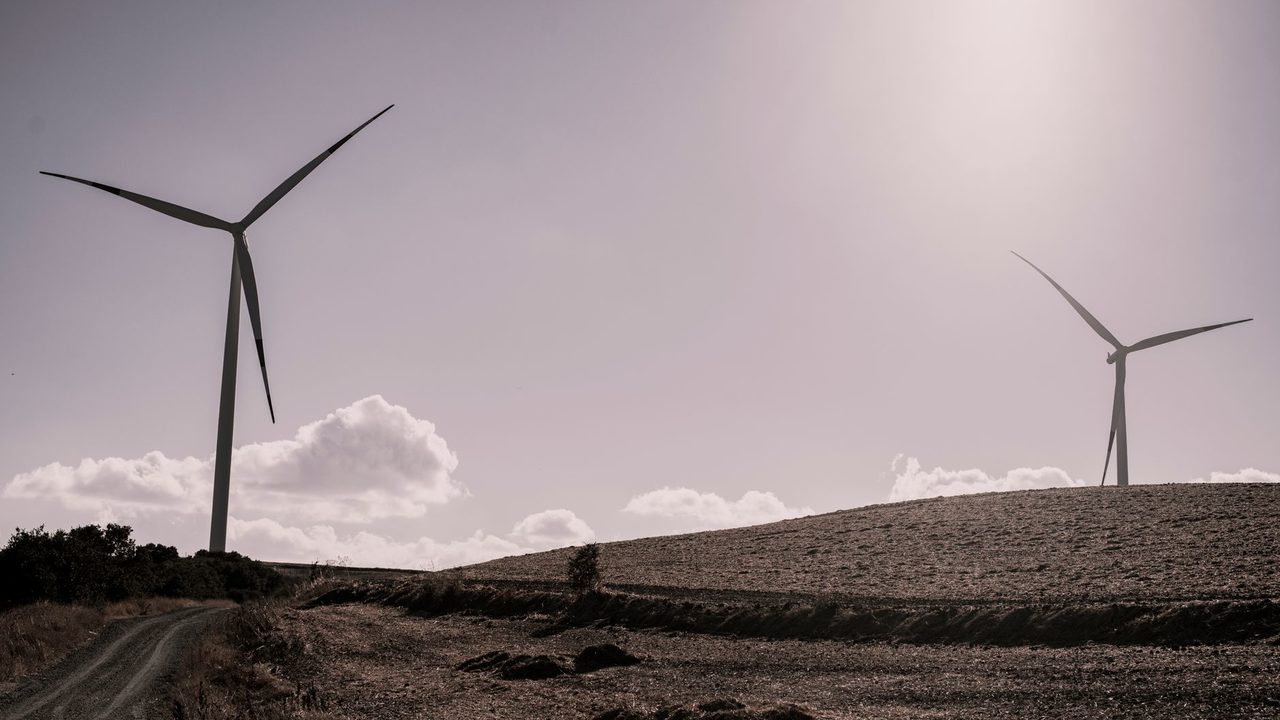
In local referendums held alongside the municipal and Senate elections, residents of 20 of 21 Czech municipalities came out against building wind farms. Only in one municipality, Detřichov in the Svitavy district, did people vote in favour of wind turbines. However, as sociologist Petr Vidomus sees it, the picture is far more complicated than it seems.
What Czechs really think
Vidomus is a sociologist and analyst at the Association for International Affairs and has long studied climate disinformation. On the Seznam Zprávy podcast he stressed that the referendum results cannot be extended to the whole country. In his words, representative polls show that 60–70% of the Czech population support building wind turbines.
He attributes part of the results to the influence of disinformation. Other experts point to the role of civic activism, but in Vidomus’s view these are two sides of the same coin: disinformation flourishes where there are no clear rules. The state, he believes, does far too little to explain the benefits of renewable sources.
One vote decides everything
In small municipalities the outcome is often decided by a handful of votes. In Bystré nad Jizerou near Semily, with a turnout of almost 85%, 50 residents voted against a private investor’s plan and 43 for it. Opponents cited above all the look of the landscape. The mayor, who supported the project, says that before the vote several opponents of construction registered as residents of the municipality, in his words, owners of weekend cottages. Vidomus notes that the interests of cottage owners and permanent residents often diverge.
In addition, an anti-wind-turbine page has been active on social media in Bystré since March. According to Vidomus, it has long been spreading disinformation: exaggerating microplastic emissions, harm to birds and bats, and the unreliability and unprofitability of the turbines. Pictures of burning or falling turbines work best. A turbine did recently collapse in Czechia, but it was an old second-hand model imported from abroad.
Who sets the tone in the debates
Another factor is speakers with no connection to the particular regions. In Bystré, the publicist and well-known climate sceptic Ivan Brezina took an active part. According to an analysis by the Association for International Affairs, the people who spoke most often at regional debates in the spring were energy experts Hynek Beran and Ivan Noveský. Both are close to the PRO party, led by MP Jindřich Rajchl, which according to Vidomus has long cast doubt on climate change.
“In many municipalities very unbalanced debates took place,” says Vidomus. In his words, they are organised by local residents with anti-system views who invite only like-minded people. Meetings are also held by the municipalities themselves or by investors, but over the past year they have been low-profile: small, often border-area municipalities lack experts, time and money.
The dispute has become political
In many places opponents won by only a few votes, and in Detřichov the result was also very close. Vidomus sees this as a sign of polarisation: the wind turbine issue has turned into a “centre of the culture wars”, and supporters sometimes fear saying openly that they are “in favour”.
There is also a positive shift: interest in public discussion of projects is growing. Until 2025 people were little concerned with them; the surge came with the wave of disinformation from autumn 2025. The expert sees in this a “democratisation of decision-making”.
The trend, in the analyst’s view, has not yet reversed: Czech society for the most part does not reject renewable sources. But the situation around wind turbines is “a textbook example of the failure of strategic communication” by the state and the regions, and the same could happen with another, more serious issue.
Source: seznamzpravy.cz