Senate Sends Electronic Sales Records Law Back to Chamber of Deputies
USD 21,62
Popular
The Czech Senate has declined to approve, in its original form, the law reviving the electronic sales records system (EET) and has sent the document back to the Chamber of Deputies for a second reading. However, the ruling coalition of ANO, SPD and the Motorists has enough votes to override the Senate's amendments and push through the original version of the law unchanged.
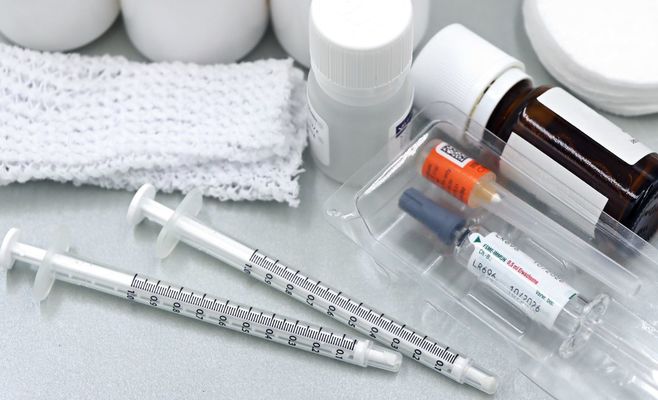
Senators' criticism was aimed less at the revival of the sales records system itself than at the law's accompanying provisions. The Senate's Economic Committee proposed scrapping the tax-exemption cap on medical benefits that employers provide to staff — for instance, for extended preventive check-ups or diabetes screening. Under the version passed by the Chamber of Deputies, such benefits would be tax-exempt only up to a statutory ceiling.
Senator Tomáš Třetina (ODS and TOP 09), who served as rapporteur on the bill, proposed scrapping the cap altogether, arguing there is no reason to treat medical benefits more strictly than benefits for employee recreation and leisure. He did propose making an exception for cosmetic and plastic surgery.
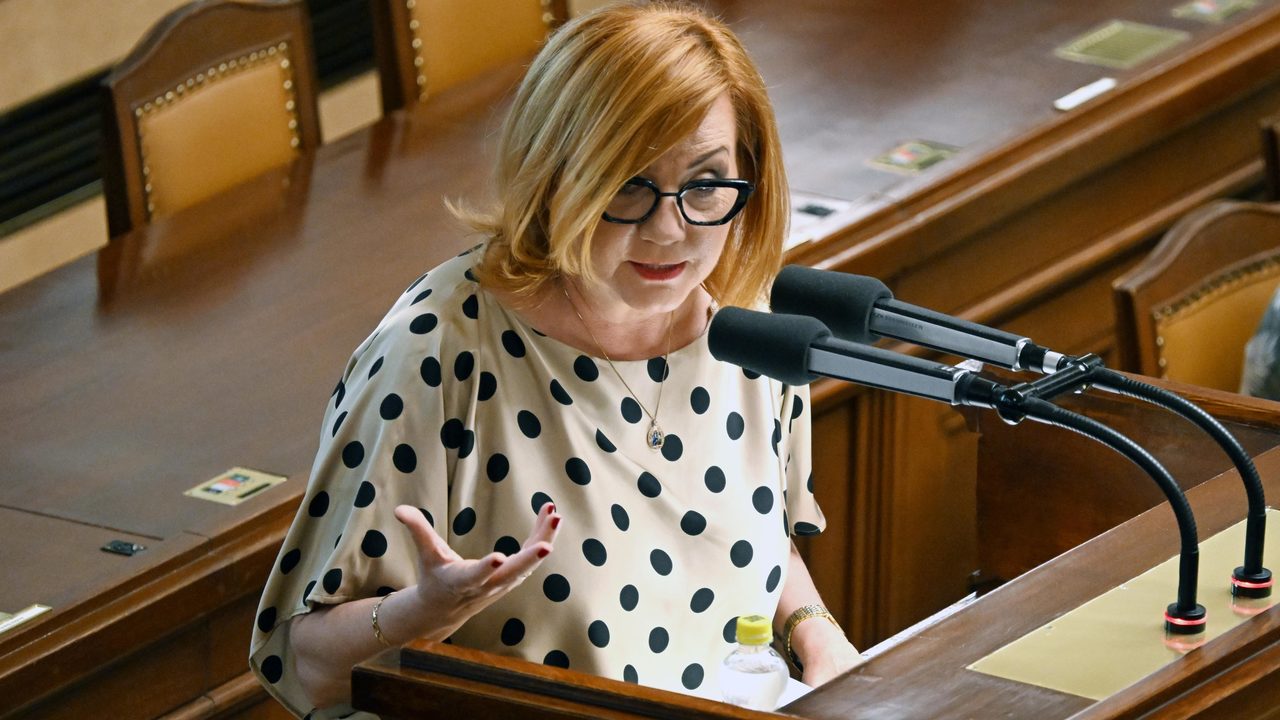
Finance Minister Alena Schillerová (ANO) rejected this Senate amendment, saying that scrapping the cap would primarily benefit high earners. The current limit corresponds to the average wage for the tax period — around 50,000 crowns.
System to launch in February
The heart of the law is the return of the electronic sales records system, which the previous government of Petr Fiala (ODS) had abolished. According to the Finance Ministry, the new version of the system will run on a more modern model than before: entrepreneurs will no longer need to print paper receipts. Schillerová also stressed that the state will not collect data on the goods purchased or on the customers themselves.
A pilot phase will begin on January 1 next year, with the system becoming fully operational from February. The Finance Ministry expects the revived sales-tracking system to help bring more order to the business environment and generate over 14 billion crowns a year for the state budget.
Senators raised other objections as well. Economic Committee rapporteur Tomáš Třetina argued that the government would use the extra revenue from the system to fund other expenditures, calling the proposal financially inefficient. The Senate's Constitutional and Legal Affairs Committee had proposed exempting cashless payments from the records system entirely, but the Economic Committee did not back the idea. Schillerová rejected this amendment along with all the others.
Benefits for families and students set to return
The law, which deputies will reconsider in September, also contains a number of other tax changes. Families with children are set to regain the so-called "kindergarten" benefit — a tax deduction for a child's nursery attendance — while students would see the return of a tax discount. Both benefits had been scrapped under the previous government's consolidation package.
Non-alcoholic beverages in restaurants are to move to a reduced VAT rate of 12%, and still wine will once again be eligible to count as a charitable donation that reduces the tax base. In addition, pre-New Year fish sales will be exempted from the electronic sales records system.
Read also: 9 restaurants in Prague with the best views of the city: where to go for dinner and a panorama
Source: novinky.cz