Bark beetle in Krkonoše to grow due to drought, warn foresters
USD 21,74
Popular
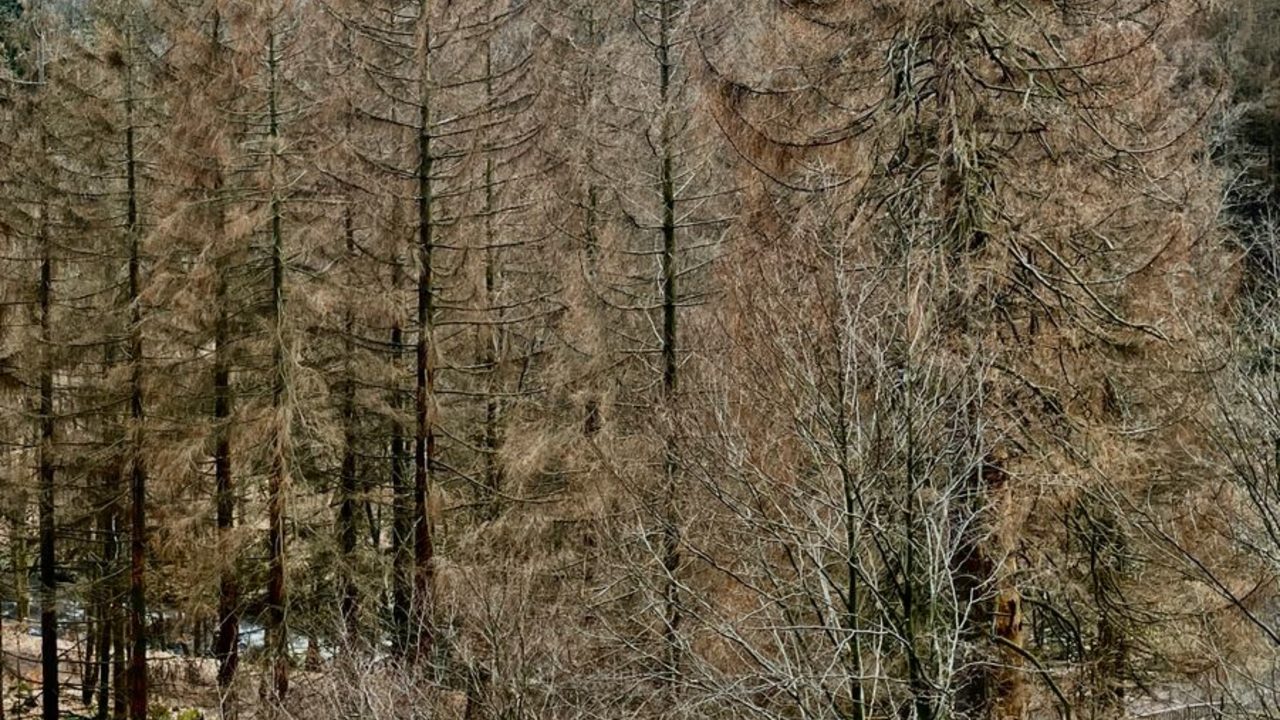
Foresters at the Krkonoše National Park Administration expect the number of spruce bark beetles — a pest that damages spruce trees — to grow in the mountains next year because of the ongoing drought. According to the park administration, the specialists' goal is not to wipe out the pest entirely, but to prevent it from reaching a stage of mass overpopulation.
Bark beetles are part of the forest, not the enemy
The spruce bark beetle is a natural part of Krkonoše's ecosystem, and the park administration's task is not to eliminate the species but to prevent it from overpopulating. In the most valuable zones with untouched ecosystems, infested trees are not felled — there, the beetle is considered part of the forest's natural development. In the park's other zones, infested timber is processed according to established rules.
The peak came in 2019–2020
The bark beetle spread most widely in Krkonoše at the turn of the last decade. In 2019, the park administration processed 57,058 cubic meters of infested timber, and in 2020 already 81,058 cubic meters. At the time, this accounted for 71% and 72% of all forced (sanitary) logging, respectively.
Since 2018, much of Czechia had been experiencing a genuine bark beetle calamity, which peaked in 2020. But according to Jansa, Krkonoše did not experience a calamity in the full sense of the word — the impact on local forests was milder. “We are at a higher altitude, the growing season here is shorter, average temperatures are lower, and for decades we have been changing the structure of our forests. We also have better rainfall conditions than the rest of the country — more water,” he explained.
Monitoring and the outlook for the future
Although the volume of beetle-infested timber this year is well below its peak level, foresters continue to search for damaged trees, monitor the pest population's development and prepare for the next growing season, said park administration spokesman Radek Drahný. Forest area on the Czech side of Krkonoše covers around 37,000 hectares, while the entire national park spans 55,000 hectares and covers the Trutnov, Semily and Jablonec nad Nisou districts.
About 520 pheromone traps and more than 7,000 so-called “trap trees” — specially felled trunks that attract the beetles and allow their spread to be controlled — have been set up in the forest. Foresters check the traps and record captured beetles through a dedicated app; the data collected helps forecast how the pest population will develop.
For comparison: in 2024, 31,365 cubic meters of timber were felled because of the bark beetle (24% of total logging), while in 2025 that figure dropped to 12,903 cubic meters (12%). But it is precisely because of the drought that foresters expect a new rise as early as next year.
Source: ekolist.cz