Society By

Czech hospitals short of nurses — Filipino medics called in to help
Czech hospitals short of nurses — Filipino medics called in to help

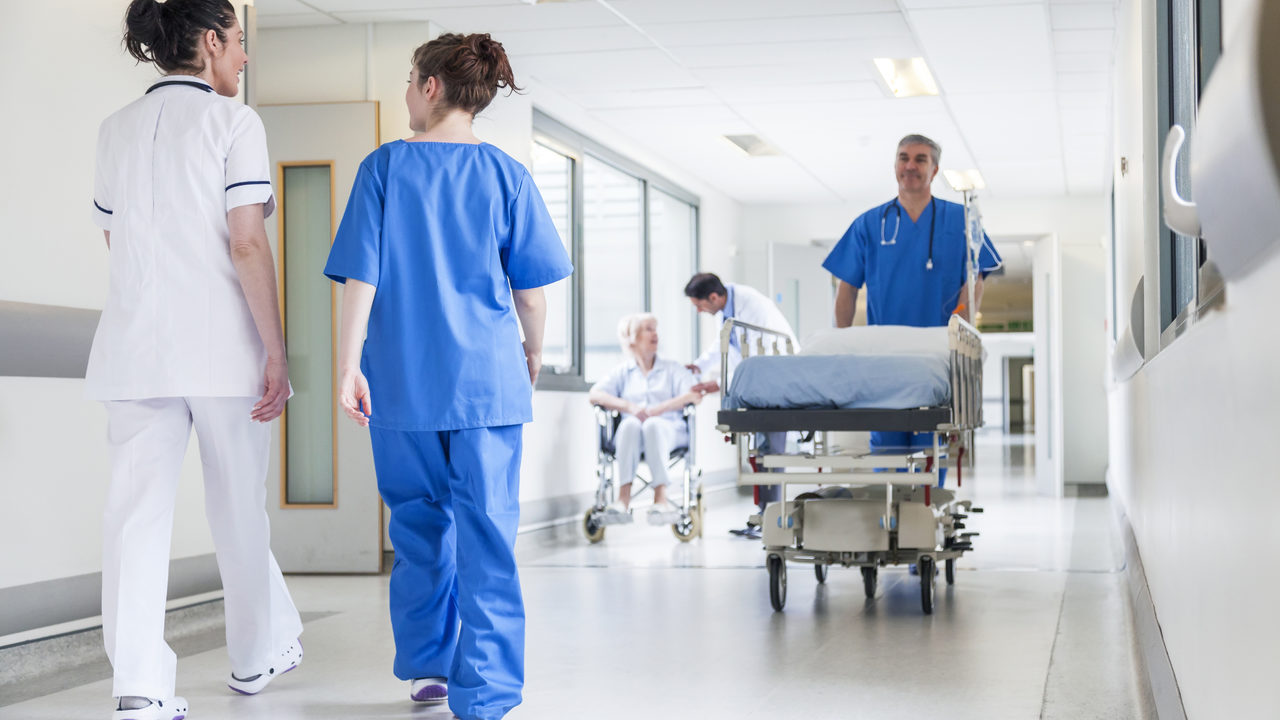
Czech hospitals are facing a severe shortage of medical staff, and some institutions have started bringing in nurses from the Philippines. According to official estimates, the country is short of around 2,500 nurses, and the staffing gap is already directly affecting how wards operate and how accessible healthcare is.

The problem has been confirmed across different regions. According to Miloslava Kučerová, a spokesperson for Regional Healthcare in the Ústí region, local hospitals are constantly in need of about 100 doctors and 200 nurses. Jihlava Hospital is currently looking for roughly 25 new staff members, mostly general nurses. At the Tomáš Baťa Regional Hospital in Zlín, several dozen non-physician medical positions remain unfilled.

Shortages and an ageing workforce

The situation is especially dire in inpatient care, which accounts for nearly 60% of all nursing positions — and it's here that staff shortages most quickly translate into overloaded shifts and forced cuts to bed capacity. An additional problem is the ageing workforce: in 2024, the average age of a nurse was 47.8 years, with one in six nurses over 60.

Nurses from the Philippines

Some hospitals are tackling the problem by recruiting abroad. The company Kasea is organising the arrival of Filipino nurses — the first of them reached Czechia in early June. In total, around twenty institutions plan to take on 250 selected candidates.

Prague's Thomayer Hospital will be among the first to welcome Filipino nurses, hoping to bring in 50 new staff members. Regional Healthcare in the Ústí region is also actively recruiting foreign workers, helping them with qualification recognition, language training and adaptation.

Not all hospitals share this approach. Jihlava is not focusing on foreign staff — the main obstacle there is cited as recognition of education obtained outside the EU and the requirement for Czech language proficiency. In Znojmo, the approach depends on the specialty: paediatric nurses are expected to have flawless Czech, so foreigners aren't considered for those roles, but the hospital is open to hiring foreign physiotherapists.

How the selection process works

Selection of candidates in the Philippines is rigorous — roughly one in four applicants makes it through. Mandatory requirements include a higher education degree, at least two years of continuous work experience, no gaps in the CV, and recognition of the diploma in Czechia. Candidates are assessed for motivation, adaptability and language-learning aptitude, and undergo medical examinations including tests for infectious diseases.

Czech language skills play a key role — future nurses start learning the language back home, 3 to 6 months before departure, with a focus on medical terminology. Candidates who fail to complete the course are not sent to Czechia. Once they arrive, training continues: newcomers are assigned a mentor for the initial period and are strictly limited in the procedures they're allowed to perform, while hospital staff undergo cultural training to prepare for working alongside their new colleagues.

A long process — and the ministry's stance

From the moment a hospital submits a request to the actual arrival of a specialist in Czechia, the process takes 9 to 11 months — considerably longer than in other countries, but according to recruitment organisers, this is what allows the quality of care to be maintained.

The Ministry of Health sees recruiting foreign staff as only part of the solution and is focusing primarily on training domestic professionals: increasing the number of places at universities and medical colleges for nursing programmes, easing transitions between specialisations, and improving working conditions. At the same time, the ministry acknowledges that the main barrier for foreign medical staff isn't bureaucracy but language preparation and passing the qualification exam.

A survey by Ipsos found that four out of five Czechs are aware of the nursing shortage and agree the problem needs to be addressed — with particularly positive reactions when people learn that foreign workers go through rigorous selection and language training. The private Penta Hospitals network is already employing Filipino medical staff — 20 currently work there, with plans to bring in another 60, including nurses, by the end of 2026.

Read also: Free Czech courses for foreigners: where to study

Around Prague, based on reporting by seznamzpravy.cz
Share: Telegram WhatsApp

More U.S. news

Iowa Lead Azide Detonation: What the EPA Has Found So Far
The Environmental Protection Agency says its monitors have found no airborne lead anywhere in the region since the U.S. Army destroyed a stockpile of lead azide at the Iowa Army Ammunition Plant in Mi
FedEx MD-11 Miami Overrun: What Investigators Must Now Determine
The Federal Aviation Administration has opened an investigation into how a FedEx cargo jet overran a runway at Miami International Airport on Wednesday evening, Nov. 25, and neither the agency nor Fed
Kim Jong Un Wants More Tactical Nukes as Trump Seeks Talks: What We Know
North Korean leader Kim Jong Un has called for deploying tactical nuclear weapons for a wider range of military missions and said the country is steadily expanding its ability to produce nuclear mater
Why Is the Nasdaq Having Its Worst November Since 2008? The Numbers Behind the Tech Sell-Off
The Nasdaq is on track for its worst November since the 2008 financial crisis. The Invesco QQQ Trust, the fund that tracks the Nasdaq-100, has returned −8.19% this month through the close on Wednesday
SpaceX Starmind: FCC Approves 1 Million Orbital Data Center Satellites
The Federal Communications Commission on Wednesday authorized SpaceX to deploy 1 million satellites meant to work as data centers in orbit, according to NPR. The constellation, called Starmind, drew p
Trump Demands Probe of GDP Revision: What the 4.3% Upgrade Actually Shows
President Donald Trump on Thursday demanded an investigation into the Commerce Department over its economic growth figures. He alleged that numbers released before the Nov. 3 midterm elections were wr

Related news

Dozens of illegal, or “black,” homes for the elderly are estimated to operate in Czechia, and many have been running for years. The Ministry of Labor and Social Affairs is preparing a reform: tougher inspections, a new criminal offense for
The weight-loss drug Wegovy in tablet form may appear in Czech pharmacies no earlier than the first quarter of next year. It was approved in Czechia back in July, so according to the State Institute for Drug Control, all that remains is sup
A private primary school, ScioŠkola, for 200 children will be built in Brandýs nad Labem–Stará Boleslav. The town council approved the project in early November. Tuition will cost CZK 130,000–150,000 per child per school year, and the first
Children, students and pensioners in Czechia will keep riding public transport at a 50% discount rather than 75%: Andrej Babiš's government is delaying the promised return of the former discount because the budget is short of money. Even fr
Open days at secondary schools in Prague and the surrounding area let prospective students see a school up close before the 2027 entrance exams. Applications are due from Feb. 1 to Feb. 20, so it is worth choosing a school now. What you can
The reopening of the Pisárek tunnels in Brno after repairs may be delayed: without the client’s knowledge, the contractor asked the regional authority to extend the closure by nine days. The work began in mid-October and was supposed to fin
On Tuesday, Nov. 17, large stores in Czechia will not close: hypermarkets, shopping centers and hobby markets will keep their regular hours. The Struggle for Freedom and Democracy Day holiday is not among the dates covered by the sales ban.
Since November, the mobile information centres of the Prague Integrated Transport system (PID) in the Central Bohemian Region have accepted cashless payments only. In return, people get longer opening hours and more visits, but rights advoc
From Nov. 1 to the end of March, drivers in Czechia need winter tires or all-season tires with the “Alpine symbol” — a mountain with three peaks and a snowflake on the sidewall. On-the-spot fines can reach 1,500 crowns, and after a serious
On the evening of Monday, 2 November, social service workers walked through Plzeň with candles from the main railway station to the spot where a homeless woman died two years ago. It was their way of drawing attention to the disastrous cons
The Czech Ministry of Labour and Social Affairs (MPSV) wants to scrap the child-rearing pension supplement (výchovné) entirely from 1 January 2027 and replace it with a notional income for the time spent caring for a child. MPs passed the c
The law on the so-called child certificate, due to take effect in Czechia in January 2027, has drawn criticism from lawyers. They support the underlying idea of better protecting children from people convicted of serious crimes, but argue t