Czech universities to cut student intake over budget shortfall
USD 21,65
Popular
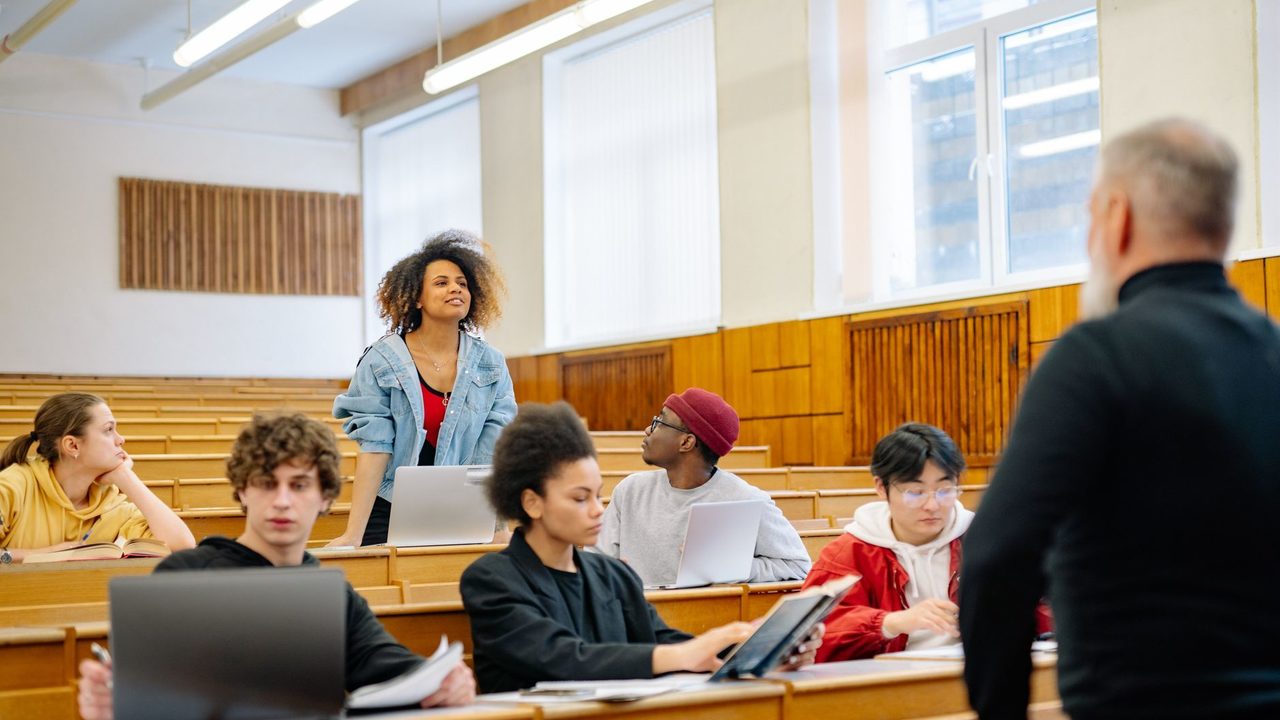
Czech universities may admit significantly fewer first-year students starting next year: according to Milan Pospíšil, chairman of the Czech Conference of Rectors, the reason is an acute shortage of money in the 2027 state budget. While universities admitted around 70,000 students this year, next year's intake could fall to 59,000.
Which fields will be cut first
According to Pospíšil, who besides chairing the Conference of Rectors also heads the University of Chemistry and Technology, Prague, the cuts will mainly hit expensive-to-teach fields — technical and natural-science disciplines. Rectors specifically name dentistry, nuclear power engineering and semiconductor technologies, as well as law and social work.
Why universities are short of money
Universities have been forced into the cuts after the government refused to raise the 2027 higher-education budget by the 3 billion crowns rectors had requested, instead allocating universities 293 million crowns less than this year. Education Minister Robert Plaga (of the ANO party) says that funding under the “per-student allowance” item will rise by 1 billion crowns repeatedly — in 2027, 2028 and 2029. According to Pospíšil, however, universities need a budget increase of at least 3 billion crowns every single year.
Lecturers may move into industry
Because of the funding shortage, universities fear losing the specialists who teach their courses: lecturers' salaries are already extremely low and will increasingly fall behind pay in the wider economy. “Just look at which industries pay the highest average salaries — that's exactly where specialists will start leaving for first,” warned Miroslav Lávička, rector of the University of West Bohemia in Plzeň. Pospíšil added: “Leading technologists in industry earn far more than we are able to pay at a university.”
Who will pay the price for the shortfall
University leaders promise that next academic year they will manage to preserve teaching and its quality for students already enrolled. But the problems will land on today's schoolchildren, who are only planning to apply to university in the coming years. “This is a problem for the whole population — it will affect voters from both the ruling coalition and the opposition. We want Czech families to understand this, especially those whose children are currently in the 2nd, 3rd or 4th grade of secondary school. It's for them that we're fighting for university funding,” said Lávička, noting that unusually large generations will be reaching their school-leaving exams in exactly these coming years.
Record number of graduates will be left without places
In 2026, around 80,600 Czech school-leavers sat their final exams, and next spring there will be roughly 4,000 more. Universities will not be able to admit them all. Czechia already lags behind in the share of people with higher education: among 25–34-year-olds, only 33% hold a degree, compared with an EU average almost ten percentage points higher.
Read also: Minimum and average salary in Czechia 2026
Source: novinky.cz