Czechs Want to Shop Consciously But Choose by Price — STEM Survey
USD 21,75
Popular
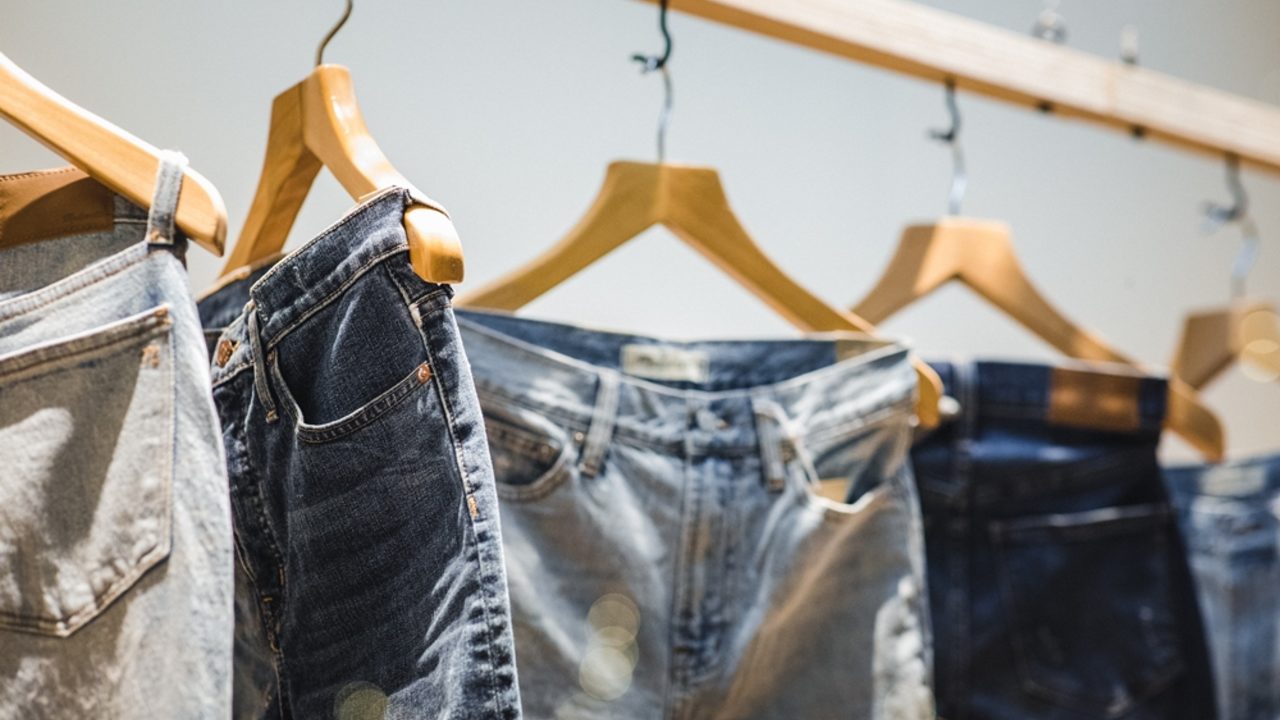
Nearly half of Czechs (46%) believe that clothing sold through online shops and ultra-fast-fashion apps contains harmful substances above the permitted limits, according to an April 2026 study by the STEM analytical institute. Yet in practice, most Czechs base their clothing purchases not on environmental concerns but on price and practicality.
According to the Customs Administration, Czechia alone received 105 million parcels last year containing cheap goods, including ultra-fast-fashion clothing from non-EU countries. Public concerns aren't unfounded: tests by consumer organizations and laboratories have repeatedly found excessive levels of formaldehyde, phthalates and heavy metals in such garments — substances known to cause skin irritation, allergic reactions and hormonal disruption.
Cheap Fashion Wins Over Fear
Despite awareness of the risks, roughly one in five Czechs (22%) shop on platforms like SHEIN and Temu — and this group tends to downplay the dangers more than others. STEM analyst Sylvie Pettiová suggests this could either be a way of rationalizing their own behavior, or simply reflect the fact that the most concerned people avoid such purchases altogether.
As STEM analyst Klára Zajíčková puts it, the Czech approach to buying clothes could be summed up as: "People would like to shop better and more responsibly, but other priorities win out once it comes to the shopping cart." While production conditions, environmental impact and personal responsibility for what happens to clothes afterward are all seen as important in theory, in practice it's price and the range on offer at fashion chains that ultimately decide.
How Often — and Where — Czechs Shop for Clothes
According to the survey, 53% of respondents buy clothes no more than once every six months, while roughly another fifth do so even less often or never at all. A quarter of respondents shop monthly or twice a month, most commonly young people aged 18–29 (40%). People from lower-income households shop less frequently than those who rate their family's financial situation as good or average.
Half of the population (52%) buys only new clothing, about 40% combine new items with secondhand, and just 4% buy exclusively secondhand clothes. Compared to a similar study four years ago, the share of people buying only new clothes has slightly increased — experts link this to the spread of ultra-fast fashion and changes in what's available in secondhand shops.
Fashion chains remain the main shopping destination — 51% of Czechs shop there, rising to 75% among 18–29-year-olds. Markets are used by 23% of the population, more often people over 60 and lower-income families. Offline secondhand shops are used by 20%, and online flea markets by 17%, with both options more popular among women and young people.
Among those who don't buy secondhand clothing, half say they consider the practice unhygienic, while nearly a third — mostly men — say they're "not poor enough" to need to save money that way.
Price Decides Everything
Some 78% of Czechs say a specific need is the main reason they buy clothes, while 43% — more often women and young people — cite the desire to save money during seasonal sales. When choosing a specific item, 81% of respondents named price as the key factor, appearance and quality mattered to 59%, while environmentally friendly production was important to just 3%, and fair labor conditions to only 2%.
At the same time, on a declarative level Czechs present themselves as more conscious consumers: most agree that a person is responsible not only for buying an item but also for how they dispose of it — though in practice this usually just means dropping clothes into a textile recycling container rather than selling, swapping or donating them. Many also believe it's right to pay extra for clothing made under fair labor conditions, without the use of child labor.
"We've long observed that people's stated pro-environmental views often diverge from their actual behavior. Sustainable practices require effort and resources, and not everyone is willing or able to fit them into their life," explains analyst Pettiová. According to her, even those who would like to factor in sustainability often simply lack enough information and tools to do so — concepts like the circular economy or the EU's digital product passport remain largely unknown to most of the population.
The STEM survey was conducted online between April 22 and 30, 2026, among a representative sample of Czech residents aged 18 and over, with 1,315 respondents taking part.
Source: ekolist.cz