Czech wind farm referendums: why they failed and what Czechs think
USD 21,79
Popular
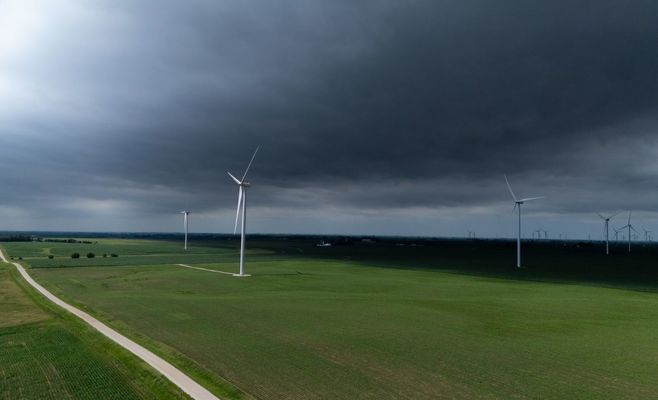
During the municipal elections, referendums on possible wind farms were held in 21 Czech municipalities, and residents of just one of them voted “yes”. However, according to energy geography expert Bohumil Frantál of the Institute of Geonics of the Czech Academy of Sciences and Palacký University Olomouc, such a crushing result does not reflect the position of most Czechs.
Why the result is misleading
Frantál expected the outcome to be negative in most municipalities, but not so unambiguously. He advises looking at the details: in several municipalities the vote was very close, for example 54 to 46. Turnout ranged from roughly 35–40 to 80 percent, and when turnout is low, opponents are proportionally stronger: they mobilize more actively, while those who do not care or are ready to passively accept a turbine simply do not come to vote.
The expert recalled that in 2023 his institute conducted representative surveys in several municipalities in the Svitavy region. In the referendums, one of them returned a positive answer and three a negative one, while the survey at the time had shown support for wind farms. Nationwide polls show 55–60 percent support for renewable sources, including a willingness to live near the turbines. In his view, there is no trend toward a worsening of attitudes.
What 20 years of referendums show
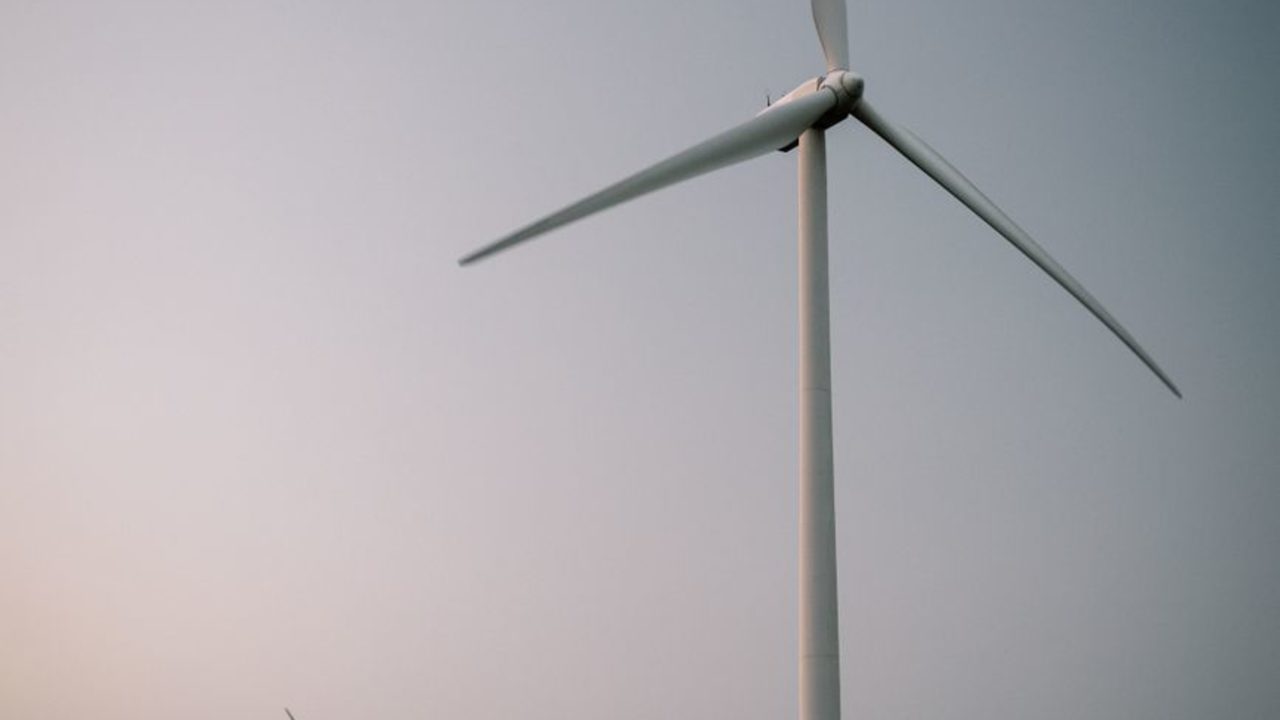
Frantál analyzed data from 2006–2025, that is, 71 referendums: 60 percent of municipalities voted against and 40 percent in favor. Two patterns emerged. Where turbines already stood within a 20-kilometer radius, the split was roughly two-thirds in favor and one-third against. Where there are no wind farms either in the municipality or in the region (typical examples are South Bohemia, the Plzeň Region, the Central Bohemian Region and South Moravia), the balance was clearly negative, 80 to 20. The expert explains this by a habituation effect: people see the turbines as an ordinary part of the landscape and notice the benefits for the community.
The second pattern relates to how the question was worded. When people voted on a specific project, with the maximum number of turbines and the sum the municipality would receive stated, the result was usually positive or close to a tie. A general question such as “Are you in favor of building wind turbines in our municipality?” more often ended in refusal. It also mattered that many municipalities only learned this year about the planned acceleration zones and voted without sufficient information.
What people dislike and what myths have to do with it
The main reason for dissatisfaction is the change in the look of the landscape. For many, this matters more than the environmental benefits, national independence and energy security. Those with little information are more likely to fear health effects. Economic benefits help people accept the turbines, both at the national level (phasing out coal) and the local level — what the municipality or household will receive.
Disinformation, in Frantál’s assessment, affects only a small number of people, while for the overwhelming majority landscape and economics are decisive. But myths have a stronger effect on those who begin looking for information only when a project appears near their home. He has seen how a small group of opponents at public hearings noticeably influenced those who were undecided. The motive of such activists, he says, is to polarize society and attract attention, and probably also ties to the political or industrial lobby.
How Czechia differs and what to do
In terms of installed wind capacity, Czechia is at the bottom of the European list. The expert links this to the traditional reliance on coal and nuclear power, supported by politicians of various parties and the industrial lobby. The loud solar boom of 2008–2010 also had a negative effect: the sector came to be seen as a speculative business for the chosen few. In addition, the country has almost no models of community energy.
The key, in Frantál’s view, is better information. He calls the law adopted last year an important step: it guarantees municipalities a payment from a project, whereas previously everything depended on the negotiating skills of mayors. Greater involvement of the regions in planning would also help. Fragmentation is a problem too: with so many small municipalities, the objection of a single neighbor is enough to stop or delay a project.
Source: seznamzpravy.cz