State Duma Elections: United Russia Wins Almost 58% as Putin Flexes the System's Control
USD 21,75
Popular
Russia has wrapped up its State Duma elections, held against the backdrop of the largest drone attack on Moscow since the war began, along with a string of absurd episodes along the way. According to preliminary figures from the election commission, United Russia — the party closely tied to President Vladimir Putin and firmly behind all of his key political decisions — secured nearly 58% of the vote, an even bigger share than it won before the war.
Analysts say such a lopsided victory is meant to project "unshakeable" support for Putin, both at home and abroad. "The regime needs everything to look good not just for foreigners, but for Russians themselves. Most people don't actually take part in elections — they just watch the news. And then they tell themselves: look, they won again, so maybe he's a bad guy, but what can you do, we voted for him. That's exactly what Putin wants," says Alesya Marokhovskaya, editor-in-chief of the Russian émigré outlet Important Stories.
The vote tally, however, doesn't reflect the genuinely mixed mood in society, shaped by Ukrainian strikes and mounting economic troubles — though observers say the regime keeps even that under tight control. As British Russia expert Luke March of the University of Edinburgh noted ahead of the vote, "if the real share of votes for United Russia turns out to be below roughly 45%, this election will simply be rigged," since there's no mechanism in the system whereby declining support would translate into actual political consequences.
Record turnout and voter "mobilization"
Beyond the results themselves, the regime also bet heavily on maximizing turnout — preliminary data put it at 56.66%, the highest figure in 15 years. Given the near-total absence of any real campaign, such numbers look "completely unrealistic," according to the independent channel Faridaily, run by journalist Farida Rustamova.
One theory is that officials were trying to replicate the "quality" of the 2024 presidential election results, when turnout hit a record for modern Russian history — meant to show that society backs the war and its commander-in-chief. Putin himself, before voting even began, urged Russians to turn out and demonstrate their support for the ongoing war.
The independent outlet Meduza had earlier reported that the presidential administration deliberately ramped up "mobilization" of employees at state enterprises, public-sector institutions and other pro-government organizations. Special "mobilizers" — typically mid-level managers — were appointed, each responsible for a group of employees and tasked with making sure they showed up at the polls.
Who the Kremlin favors
The results for the other parties point to internal reshuffling within the power structure. The Communist Party of Russia came in second with 13.81% — more than five percentage points down from the previous election. Over Putin's quarter-century in power, the Communists have criticized certain aspects of government policy but have never undermined the regime itself, and they consistently back the war in Ukraine. Even so, authorities put pressure on several of the party's candidates ahead of this election, including Nikolai Bondarenko, a Communist known for his opposition streak.
The Liberal Democratic Party of Russia, according to preliminary data, took about 9% of the vote — a notable jump from the 7.6% it won in the last election under Vladimir Zhirinovsky. Faridaily attributes this to a deliberate push by the presidential administration, which has spent years trying to nudge the Communists out of second place in favor of the LDPR, since the latter is easier to control. Despite its name, the party is neither liberal nor democratic in the Western sense — it is fully loyal to Putin and supports the war, and since Zhirinovsky's death it has been led by MP Leonid Slutsky.
New People, a party founded only in 2020, is closing in on 8% of the vote. It positions itself as a more modern, "liberal" alternative to the traditional parliamentary parties, courting entrepreneurship, technology and less state control over the internet to appeal to younger, urban voters. But there's no question of it being a genuine opposition force: even though its candidate Vladislav Davankov picked up some anti-Putin votes in 2024, the party backs both the president and the war.
The shadow of a new mobilization
One of the most striking episodes of this campaign was the ban on the Yabloko party, which opposes continuing the war. A long-tolerated opposition group suddenly found itself outlawed — a move several observers see as a sign of the regime's growing anxiety over public discontent.
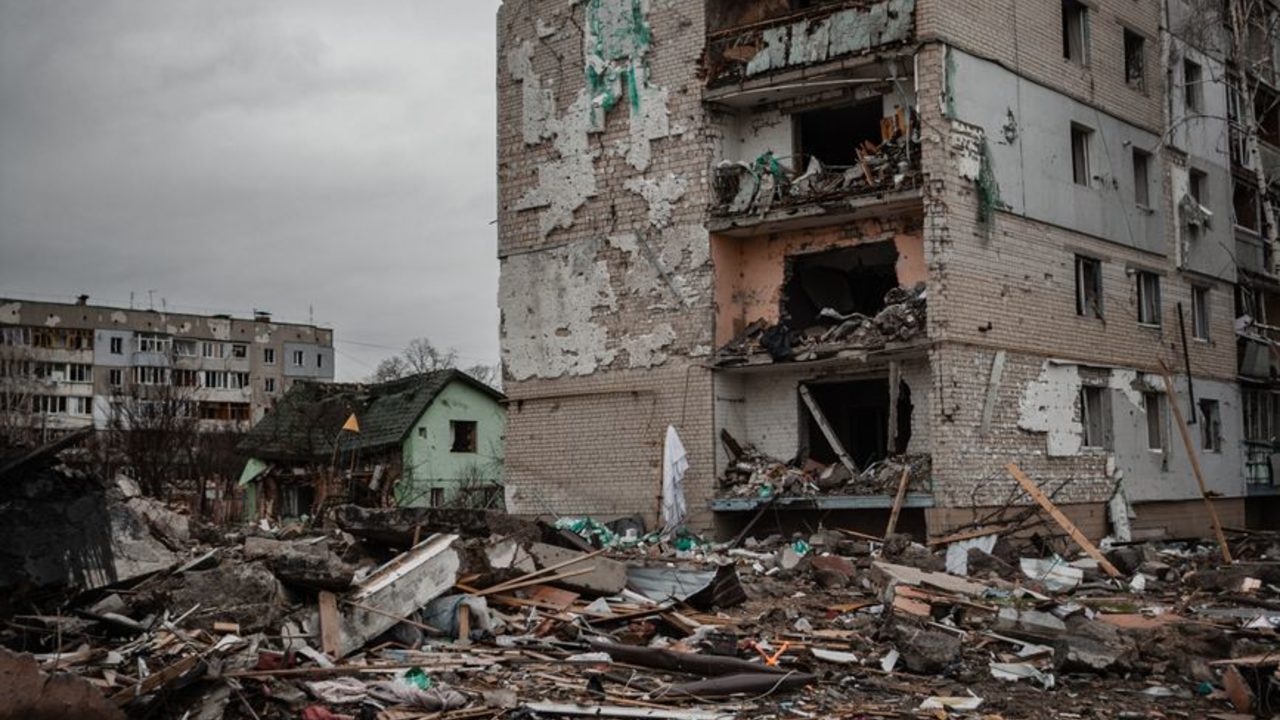
Russians' mood is increasingly shaped by Ukrainian drone strikes, which have brought the war closer to everyday life, as well as by an ongoing fuel crisis, no end in sight to the conflict, and fears of a fresh wave of mobilization. Expectations of a possible new call-up have hung over this election from the start — the regime has a track record of announcing unpopular decisions right after voting wraps up.
BBC Moscow correspondent Steve Rosenberg recalled that Putin recently ruled out a new mobilization wave, saying "there is no scenario today that would require it." But as the journalist pointed out, the question remains open: "Not today. But tomorrow?"
Source: seznamzpravy.cz