Spanish scientists find first evidence of diplodocus in Europe
USD 21,75
Popular
Spanish palaeontologists have found the first evidence that diplodocus lived in Europe as well. They have assigned a skeleton from the village of El Castellar near Teruel, about 100 kilometres northwest of Valencia, to the genus Diplodocus.
“The anatomical study and evolutionary analyses allowed us to identify the El Castellar specimen as an individual of the genus Diplodocus. It is one of the most complete diplodocids found in Europe so far and the first evidence of this genus outside North America,” said the study’s lead author, Sergio Sánchez-Fenollosa.
According to co-author Alberto Cobos, executive director of the Dinópolis foundation, the dinosaur was probably about 25 metres long. As the newspaper El País reports, the presence of diplodocus in Europe shows that these giants could have migrated between North America and Europe, probably across temporary land connections that appeared as the ancient northern Atlantic Ocean receded.
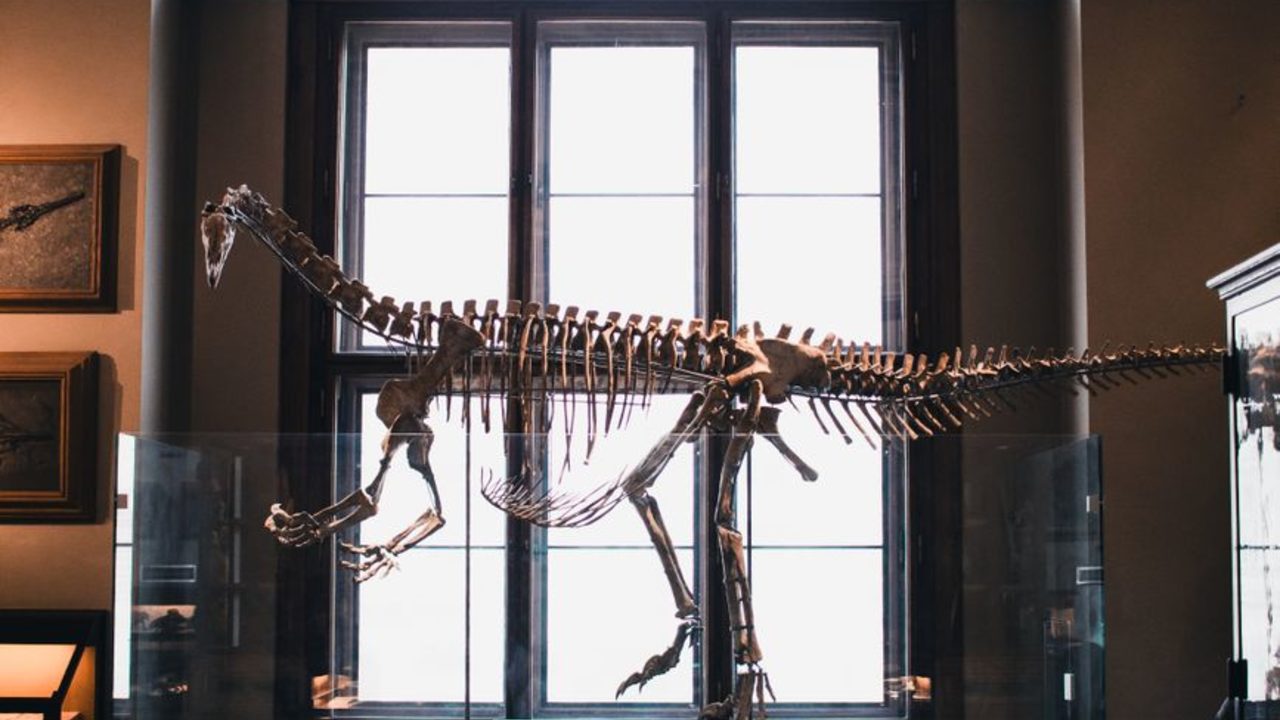
Diplodocus, first described from fossils found in Wyoming in 1877, is known for its long neck, small head and whip-like tail. It walked on four sturdy legs and is among the most famous dinosaurs in the world. Replicas of its skeleton are displayed in museums around the globe, including the natural history museum in Berlin. Its popularity among laypeople and experts alike makes it, in El País’s words, an “icon of prehistoric life”.
Read also: 6 Prague cemeteries where history and art matter more than grief: a guide to necropolis museums
Source: ekolist.cz