Typhoon Traps Six Czech Women on Japan's Okinawa Island
USD 21,04
Popular
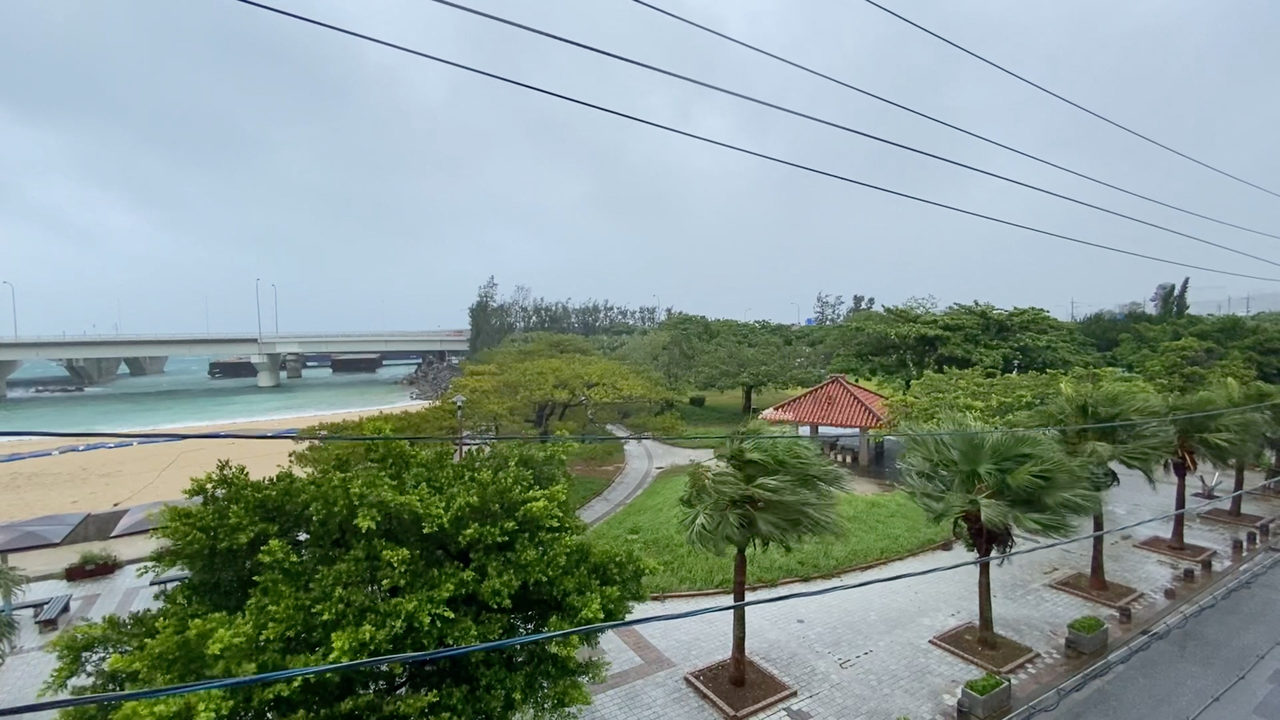
Six women from Brno traveling through Japan have found themselves stranded on the island of Okinawa after powerful Typhoon Dolphin slammed into the southern Japanese prefecture on Saturday. According to local authorities, the storm injured at least six people and knocked out power to more than 50,000 buildings, while nearly 39,000 homes lost electricity in the neighboring prefecture of Kagoshima. Wind gusts near the eye of the typhoon reached 216 kilometers per hour.
A Beach Holiday Turns Into Days Stuck in a Hotel Room
The group of six Czech women flew to Tokyo in early August, visited Kyoto, and planned to wrap up their seventeen-day trip on the beaches of Okinawa. The weather, however, had other plans. A full day before the typhoon made landfall, it had already brought transport in southwestern Japan to a standstill: authorities ordered the evacuation of roughly 260,000 residents of Okinawa and Kagoshima, airlines canceled more than 500 flights, and Naha Airport on Okinawa was shut down.
The tourists realized how serious the situation was becoming when their phones began receiving Japanese emergency alerts about evacuation centers opening and direct orders to leave buildings. The problem was that all the messages arrived exclusively in Japanese. "When you're not at the hotel and there's no wi-fi, you have absolutely no idea what's going on," said one of the travelers, Lucie Hrušková.
The situation soon deteriorated sharply: taxis disappeared, all the beaches were taped off and closed, and the hotel asked guests to sign a document acknowledging they had been warned about the approaching typhoon and the resulting limits on services. Level four — the highest tier of Japan's warning system — means people must evacuate the danger zone immediately.
Wet Floors and Enough Food for Two Days
Even though the women say they were staying at a "decent" hotel, days of heavy rain caused moisture to seep inside — the floors and beds turned damp, and staff taped up the windows, just as shops and restaurants nearby were doing. Before life on the island ground to a near halt, the tourists had managed to stock up on food, but by their estimate, the supplies will last no more than two days. Only breakfast is included in their hotel stay, and even that is now being served on a limited basis; no other meals are being brought to guests — only drinking water is available for purchase.
"We came to Okinawa to relax by the sea, but we've barely seen the sea at all — every beach is closed. We're stuck sitting in the hotel with absolutely no idea what happens next," Hrušková admitted. One small comfort, she said, is that the Japanese are used to typhoons and prepare for them well.
Silence From the DROZD System, Help From US Servicemembers
The tourists say one of the most frustrating aspects of the ordeal has been the lack of information in a language they understand. Before the trip, the whole group registered with DROZD, the Czech Foreign Ministry's crisis system for staying in touch with citizens abroad. But according to Hrušková, when the first typhoon warnings arrived, no one from Czech authorities reached out, and some of the women had to register individually a second time — yet no texts or emails ever came through.
The Czech Foreign Ministry said that 412 travelers are currently registered as being in Japan, and that no Czech citizens have contacted the emergency hotline or the embassy regarding the Okinawa typhoon. The ministry explained that DROZD alerts are typically sent out for the most serious, large-scale incidents rather than for every weather event, and noted that Japan regularly experiences extreme natural phenomena, information about which is available on the ministry's website.
Unexpected support came from American servicemembers — Okinawa hosts a large network of US military bases. Before the typhoon hit, the women had happened to meet several service members while out walking in town. "They were the ones who first warned us the typhoon was coming and advised us to stay at the hotel — they even gave us their phone number in case we ran into trouble," Lucie said. They've stayed in touch ever since, with the servicemembers passing along news and updates about hotel evacuations for tourists.
When the six Czech women will be able to leave the island — and whether they'll be able to continue their planned itinerary at all — remains unknown. "We honestly have no idea what to do, what to prepare for, or how long this will last," Hrušková concluded.
Read also: Fuze in Masaryčka: Prague's new brewery restaurant that opened under Zaha Hadid's roof
Source: seznamzpravy.cz