600 Kayakers Paddle Into Newcastle Coal Port After Court Rejects Police Bid
USD 22,10
Popular
About 600 climate protesters paddled kayaks and other small craft into Newcastle Harbour in New South Wales, Australia, on Saturday, and no arrests were made, according to the Guardian, ABC News and The Independent. The one-hour demonstration at what the Guardian describes as the world’s largest coal port went ahead after the state Supreme Court rejected a police attempt to stop it.
Hundreds more people watched and joined in from the shore. The group behind the protest, Rising Tide, unfurled a sign reading “coal exports = climate chaos,” the Guardian reported.
What the protesters and their supporters say
Rising Tide wants the cancellation of all new fossil fuel projects, an end to coal exports from Newcastle by 2030 and a tax of 78% on fossil fuel profits to pay for community and industrial transitions, the Guardian reported. It also wants funding to help coal workers move into new jobs.
Spokesperson Joe Hallenstein accused Prime Minister Anthony Albanese of hypocrisy, saying Albanese is telling world leaders at the COP31 climate summit in Türkiye that Australia leads on climate action while his government and the state Labor government of Premier Chris Minns keep approving new coal and gas projects, ABC News reported.
NSW Greens MP Sue Higginson said the Minns government is writing laws that defy a High Court ruling because a coal company is threatening layoffs before Christmas. ABC News reported that she wants climate and fossil fuel projects to be a central issue in the state election on March 13, 2027.
What police and the state government say
NSW Police sought to block the event, citing safety concerns and resourcing pressures, ABC News reported. At the court hearing, police argued that large numbers of people on the water posed serious risks, particularly if kayaks collided or capsized, according to The Independent.
Minns backed a decision by Newcastle City Council on Tuesday to ban Rising Tide and affiliated groups from using council-owned land for protests. He wrote that the council could not distance itself from illegal activities at the group’s protests, the Guardian reported. Police Minister Yasmin Catley called the group bad-faith actors after it defied police directions at its 2024 and 2025 protests, which led to mass arrests.
The ban did not apply on Saturday because the event was held off Horseshoe Beach, which is managed by Transport for NSW, according to ABC News and the Guardian.
How the court decided
Justice Edward Muston ruled on Friday that the event could proceed. He accepted that some participants might act outside the planned assembly, but said the orders police sought would not materially reduce that likelihood. The judge found that the “public interest in the facilitation of political expression through assembly” outweighed police concerns, the Guardian reported.
The court set a cap of 785 vessels. The Port of Newcastle ran no shipping movements between 10 a.m. and 2 p.m., ABC News and The Independent reported. Rising Tide said it required life jackets and had a team to assist people on the water. Organiser Anne Hodgson told the court the event would be family-friendly with no civil disobedience, according to The Independent.
The Guardian reported that Rising Tide applied to police for a form 1, a permit-style notice that protects participants from charges under the summary offences act, two months ahead of the event. Police took six weeks to say they would not agree to it, which led to the court hearing this week.
Why it matters
The protest shows how tense the relationship has become between climate campaigners, police and governments in a state that relies on coal exports. Rising Tide’s earlier port protests ended in large numbers of arrests. In 2024, 173 protesters were charged, and charges against 125 of them were withdrawn in August. In 2025, police arrested and charged 129 protesters who entered the water and kept three coal ships from entering the port, and those cases are still before the courts, according to the Guardian.
The dispute also touches on a wider fight over coal policy. The Independent reported that Australia’s High Court ruled on Oct. 7 that authorities must consider the global emissions from burning coal overseas before approving certain mine expansions. On Nov. 10, the Minns government announced legislation to let the Mount Pleasant mine in the Hunter Valley keep producing up to 16.5 million tonnes of coal a year until 2032. The government said the move was needed to protect jobs and give the industry certainty.
What happens next
Rising Tide plans a larger on-water protest in Newcastle Harbour at the end of February, ABC News reported. Its annual six-day People’s Blockade is scheduled for Feb. 25 to March 2, shortly before the state election, according to The Independent. The Guardian noted it is unclear how the council land ban will affect the group’s activities. Higginson said the Mount Pleasant legislation is due to be debated in the NSW parliament next week.
Read next
Australian PM Albanese's Private Joke Caught on Camera at COP31 Summit
Sirens Sound at U.S. Air Force Base in England Over Suspected Drone
Kremlin Says Europe Must Prove Intent Before Joining Ukraine Talks
Around Prague, based on reporting by The Guardian, ABC News (Australia), The Independent
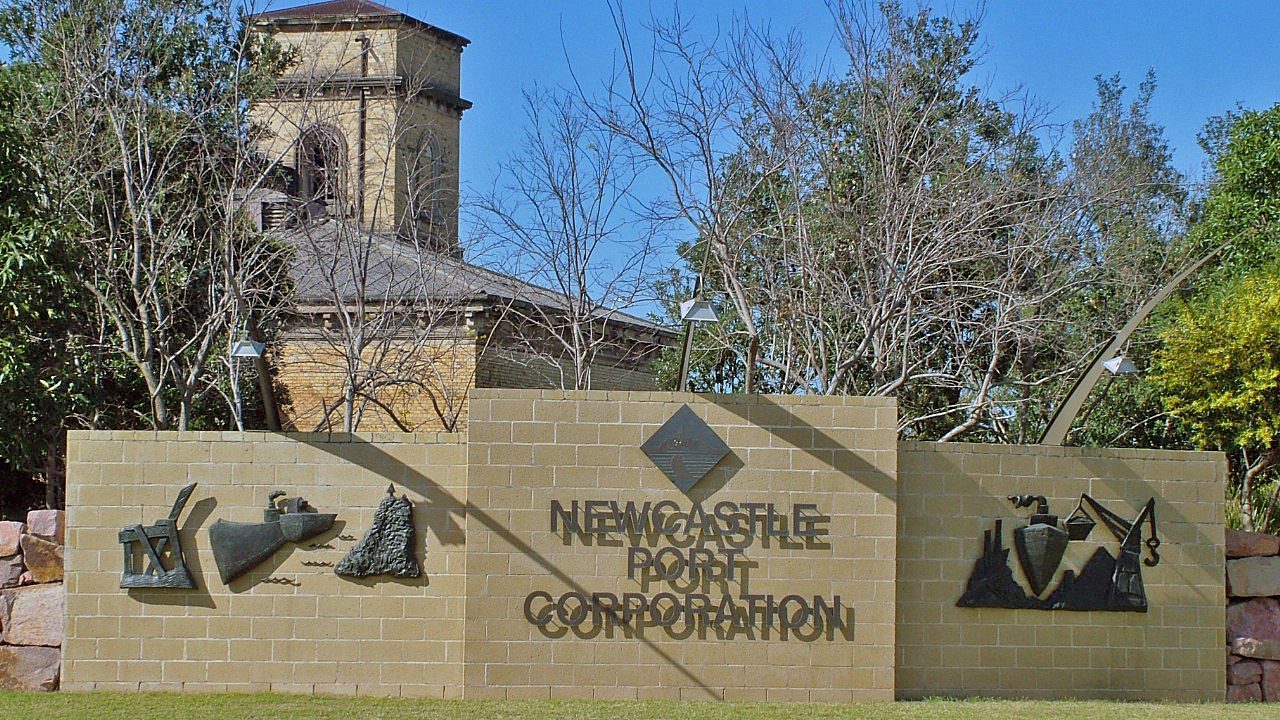
Cover photo: Macr , Mark McIntosh / Wikimedia Commons, CC BY-SA 3.0, cropped