Nvidia Ends China Sales of Its Licensed AI Chips After $2.4 Billion Quarter
USD 22,18
Popular
Nvidia has stopped shipping its licensed Hopper data center chips to China, interim CEO Colette Kress said on the company's earnings call on Tuesday, Nov. 17. The company had received U.S. government approval last year to sell a version of those processors there.
According to Bloomberg, the confirmation marks a clear shift for a company that spent years trying to expand its business with Chinese customers. Kress did not explain why the shipments ended, and Nvidia's forecast for the next quarter assumes no data center revenue from China.
The key numbers behind the decision
- $2.4 billion: the value of licensed Hopper data center products Nvidia sold to China in the third quarter, according to Bloomberg and Business Standard. Those sales have now stopped.
- $115.8 billion: Nvidia's revenue for the quarter ended Oct. 25, up 103 percent from a year earlier, Business Standard reported.
- $107.6 billion: revenue from the data center business, up 110 percent. Net income was $65.3 billion, compared with $31.9 billion a year earlier.
- $130 billion: Nvidia's fourth-quarter revenue forecast, plus or minus 3 percent, which excludes China data center compute revenue.
- 25%: the tariff the U.S. government could charge under the arrangement for H200 chips, which TechCrunch said was reached by Jensen Huang and President Donald Trump. Under it, shipments would pass through the United States.
- $44 billion to $62 billion: the estimated reduction in Nvidia's data center revenue next year from the new U.S. rules, according to a forecast by the investment bank Jefferies, as cited by TechCrunch.
What the chips are and how the approval came about
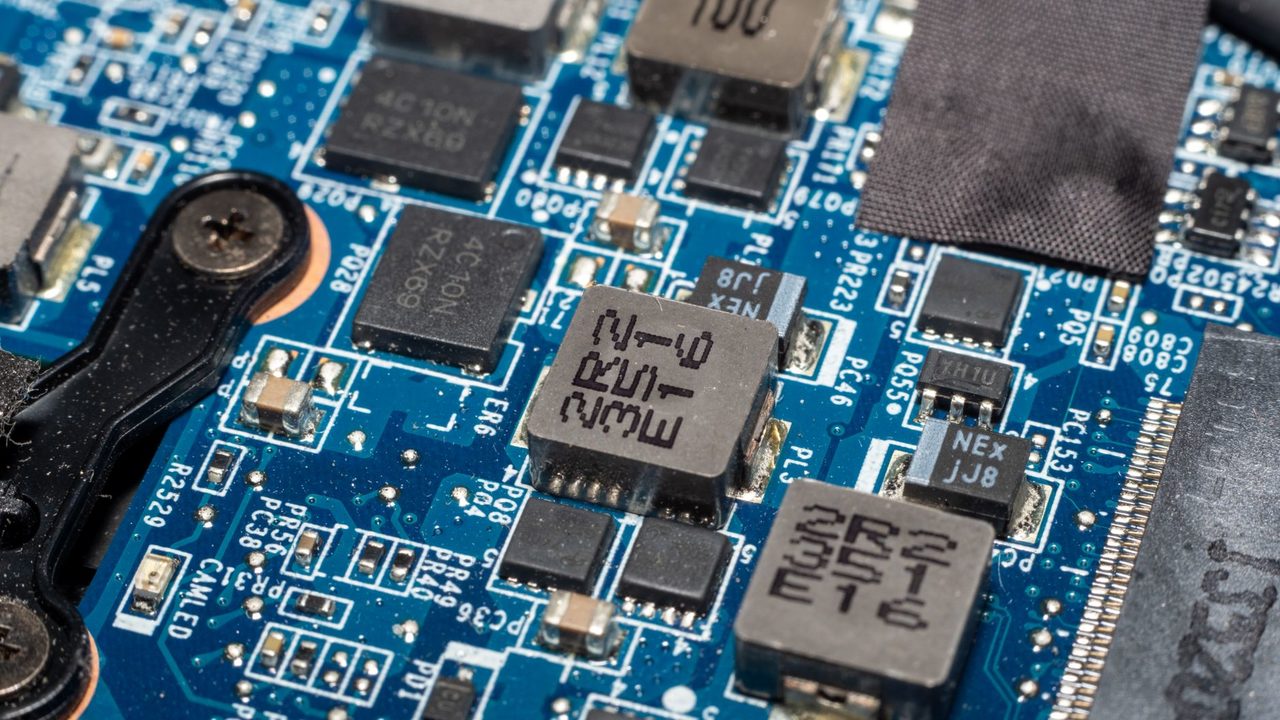
Hopper is a chip design Nvidia launched in March 2022 for data centers and AI computing. The H200 belongs to that generation and is two generations behind Nvidia's current Rubin series, according to Bloomberg and Business Standard.
Nvidia had also asked Washington to approve sales of its more advanced Blackwell chips to China. The Trump administration never agreed, but Trump approved sales of the H200. Bloomberg's report attributed that approval to the close personal relationship Huang had built with Trump. Supporters of a tougher China policy criticized the arrangement, TechCrunch reported, because they wanted to limit the computing power available to Chinese AI laboratories.
New U.S. rules on overseas data centers
On Monday, Nov. 16, the Trump administration moved to tighten oversight of processor exports to several countries. Bloomberg and Business Standard described restrictions on chip sales to overseas data centers that could give Chinese companies remote access to advanced AI chips and servers. TechCrunch described the rules as a ban on supplying advanced U.S. chips to foreign data centers that remotely serve Chinese customers. Large data centers that want to buy Nvidia chips must certify that they do not serve Chinese customers.
Kress said that, given a large backlog of demand for advanced chips including Vera Rubin, the rules would not affect Nvidia's overall revenue, TechCrunch reported. Over the longer term, she said, the company could lose potential customers in Singapore, Malaysia, Thailand and Indonesia.
Why it matters: AI chips, trade policy and Nvidia's customers
Nvidia's chips are central to AI computing, so who is allowed to buy them is a live question in U.S.-China trade policy. The company's statement means the most advanced route it had for legally selling to Chinese customers is, for now, closed from Nvidia's side. For investors and customers, the numbers show how large the exposure was: $2.4 billion in a single quarter, though still a small part of $115.8 billion in total revenue.
The picture is not simple. Jacob Feldgoise, a researcher at Georgetown University's Center for Security and Emerging Technology, told TechCrunch that China had largely refused H200 shipments even before Nvidia's decision, preferring to build its own chip industry. TechCrunch also reported that leading Chinese AI labs had found ways to use Nvidia's export-banned Grace Blackwell chips outside China, a route the new rules may narrow. How that account fits with $2.4 billion in licensed sales last quarter was not explained.
Leadership changes and what comes next
The announcement came a week after Huang stepped down as CEO. Nvidia also said on Tuesday that it would create a board committee on national security, export-control compliance and global trade risks. Harvey Jones, the company's first chairman, appointed last week, said the board saw national security developments reshaping markets worldwide and that the next CEO would have to handle them carefully.
Business Standard reported that the board does not intend to bring Huang back, even though he had signaled he would be willing to return. Nvidia is working with an executive search firm and considering both internal and external candidates for a permanent CEO. Kress described the company's operations as business as usual.
Around Prague, based on reporting by UA.NEWS, 联合早报, Business Standard