Raccoons spread across Japanese cities as damage mounts in Osaka
USD 21,62
Popular
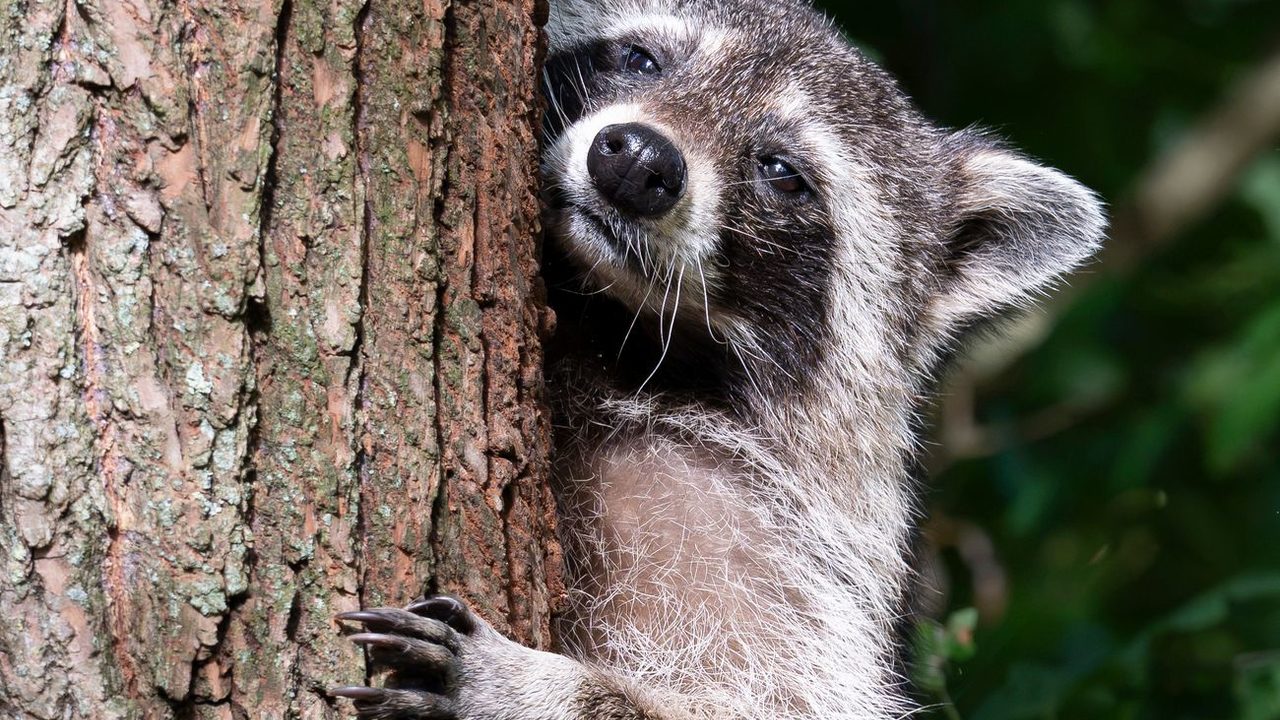
Raccoons are spreading through Japanese cities, and the damage to agriculture is growing. According to the Osaka prefectural government, the animals have been seen not only in the mountains but also in urban areas, above all in the centre of the prefecture, where the city of Osaka itself lies. Officials believe the raccoons settled there because of food, and they ask residents not to approach or feed them. This was reported by the Kyodo news agency.
Damage in the millions of yen
In fiscal 2024, raccoons damaged crops in Osaka Prefecture to the tune of 84 million yen (about CZK 11.5 million). They account for more than 40 percent of all wildlife damage in the prefecture, more than any other species, including deer and wild boar. Since 2026, the city of Osaka has been included in a prefectural programme that allows culling measures against raccoons as an invasive species.
“A growing number of places where raccoons can breed, such as vacant houses, may have contributed to their spread,” said a representative of the agriculture ministry.
Hokkaido is struggling
Another region that cannot keep pace with the spread of raccoons is Hokkaido Prefecture. The number of communities there where raccoons are found has risen steadily since 1992. In 2001, their presence was confirmed in 40 percent of communities, and by the end of January this year the animals had taken over nearly the whole prefecture. Agricultural damage in Hokkaido in fiscal 2024 exceeded 220 million yen (about CZK 30 million), whereas in earlier years it was around 40 million yen.
Local authorities have introduced measures and educational programmes for towns, but according to official data the raccoon population is growing so fast that officials cannot keep up. “Their population is growing rapidly, and it has turned into an endless fight,” said a prefectural representative. “Exterminating raccoons in the wild is difficult. The question is how to keep their numbers under control,” he added.
Yuzuru Ishizuka, an expert on raccoon ecology at the Osaka prefectural environmental research centre, believes traps should continue to be set even if the damage is less noticeable. “If we want to reduce the damage, we need to reduce their numbers. Measures such as setting traps must continue in autumn and winter too, when there is less damage to agriculture,” he said.
Source: ekolist.cz