Spain's Snap Election: What Is at Stake for Housing, Migration and Corruption
USD 22,33
Popular
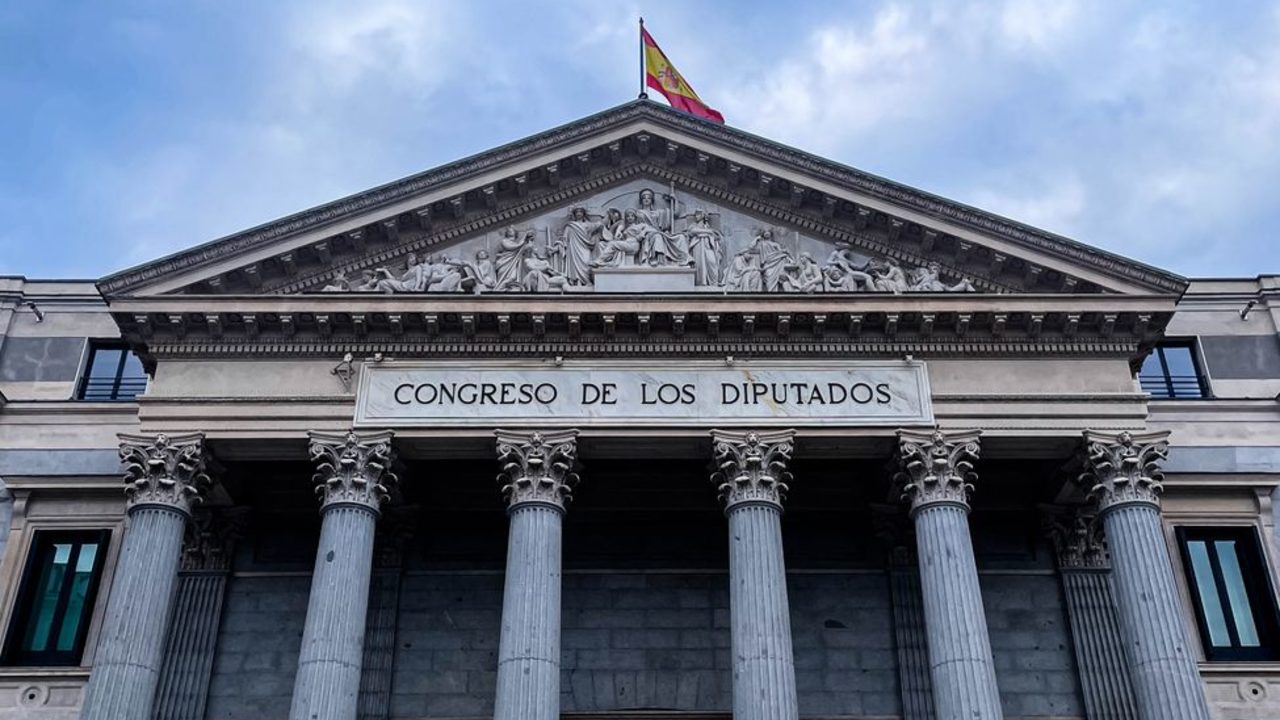
Spain holds a snap general election on Sunday, Nov. 29, after eight years of Socialist-led government under Prime Minister Pedro Sánchez, the BBC reported. Voters face a choice between continued left-wing rule and a conservative-led government that would likely depend on the far-right Vox party.
Almost 39 million people have the right to vote for the Congress and the Senate, in a country of almost 50 million.
Why Spain is voting early
Sánchez called the vote eight months ahead of schedule after lawmakers rejected planned changes to Spain's housing laws, according to the BBC. His government lost the backing of the Catalan centre-right party Junts, which sought to protect the rights of property owners. The housing plan was a response to nationwide protests after an 87-year-old woman, Maricarmen Abascal, was evicted from her rented flat in Madrid and later died.
What the left and the right are offering
On the left, Sánchez has made housing reform a central campaign issue. Left-wing parties have promised rent controls and protection against eviction, the BBC said. The Socialists' support is down from 2023, and smaller left-wing allies, particularly the Broad Front, have also fallen back. Analyst Jacobo Ramos Folch described a demobilization of the left.
On the right, Alberto Núñez Feijóo's People's Party is narrowly ahead of the Socialists in most polls. He describes Spain as being at its most significant moment in the past 50 years, and he promises to repair the state and restore the country's ambition. The party's housing focus is building more homes, tax breaks for buyers and planning deregulation.
Feijóo has accused the Socialists of being the most corrupt party Spain has seen. Cases involving Sánchez's circle include a 24-year prison sentence for former transport minister José Luis Ábalos, a pending trial for party figure Santos Cerdán, who denies wrongdoing, and a trial for Sánchez's wife, Begoña Gómez, who also denies wrongdoing. His brother David Sánchez has been banned from public office for nine years.
The role of Vox
Feijóo is unlikely to govern without Vox, which polls third and could almost double its 33 seats in the Congress, the BBC reported. Vox's themes include a “national priority” for Spanish citizens in welfare and subsidies, along with the repatriation of migrants in an illegal situation.
Feijóo says he aims to form a majority with parliamentary support agreements with Vox. On a possible coalition, he says he will respect voters' will and that Vox leader Santiago Abascal has never discussed ministries with him. He has also said Vox's national priority policy would run counter to Spain's constitution and EU treaties.
What it means for voters: housing and migration
Property prices and rents have soared by more than 80% from 2015 to 2025, and wages have not kept pace, the BBC said. The Bank of Spain estimates that 700,000 homes are needed to ease the pressure. On Nov. 11, unions said four million people joined the first general strike since 2012.
Migration is also a major theme. Feijóo has criticized Sánchez over the influx of tens of thousands of migrants into the exclave of Ceuta in July, and the Canary island of El Hierro saw a record 2,000 arrivals on Nov. 24. A recent CIS survey, however, ranked migration far behind housing, the cost of living, healthcare and working conditions. A government drive to legalize unauthorized migrants this year drew 1.2 million applications and has been bitterly criticized by the People's Party and Vox.
Read next
What Spain’s Rent Fight Means for Tenants as a Snap Election Looms Nov. 29
Spain Passes Eviction and Rent Limits by One Vote Before Election
What Is at Stake in the Midterm Elections on Nov. 3? Congress, Governors and Ballot Measures
Around Prague, based on reporting by BBC News